
Could the Next Unicorn Be a Team of One?
🦄 Why the Solo Founder Era Has Just Begun — with Proof from India and Around the Globe
Unicorns were once team efforts, born in garages or shared dorm rooms. Now, in a world ruled by AI tools, automation, and personal branding, a single person can build, scale, and even dominate an entire industry.
So here’s the bold question we’re asking in 2025:
Could the next billion-dollar company be built by just one person?
Spoiler alert: It’s already happening.
🇮🇳 Solo Disruptors Rising in India
🔹 Tilak Mehta – Mumbai’s Teen Visionary
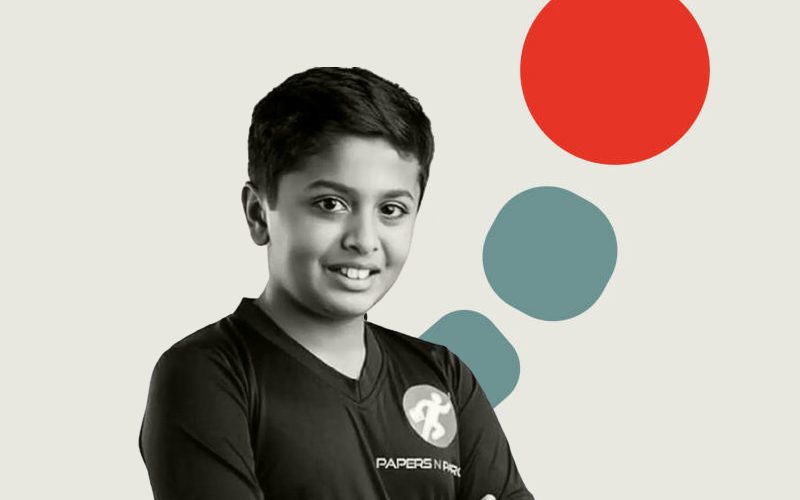
At just 13, Tilak launched Paper N Parcels to solve Mumbai’s local courier woes. He didn’t have a big team or MBA—but he had an idea, grit, and a smartphone. Today, his startup is transforming last-mile logistics in India, leveraging the dabbawala network with tech efficiency.
🔹 Shridhar Vembu – Building Billion-Dollar Villages
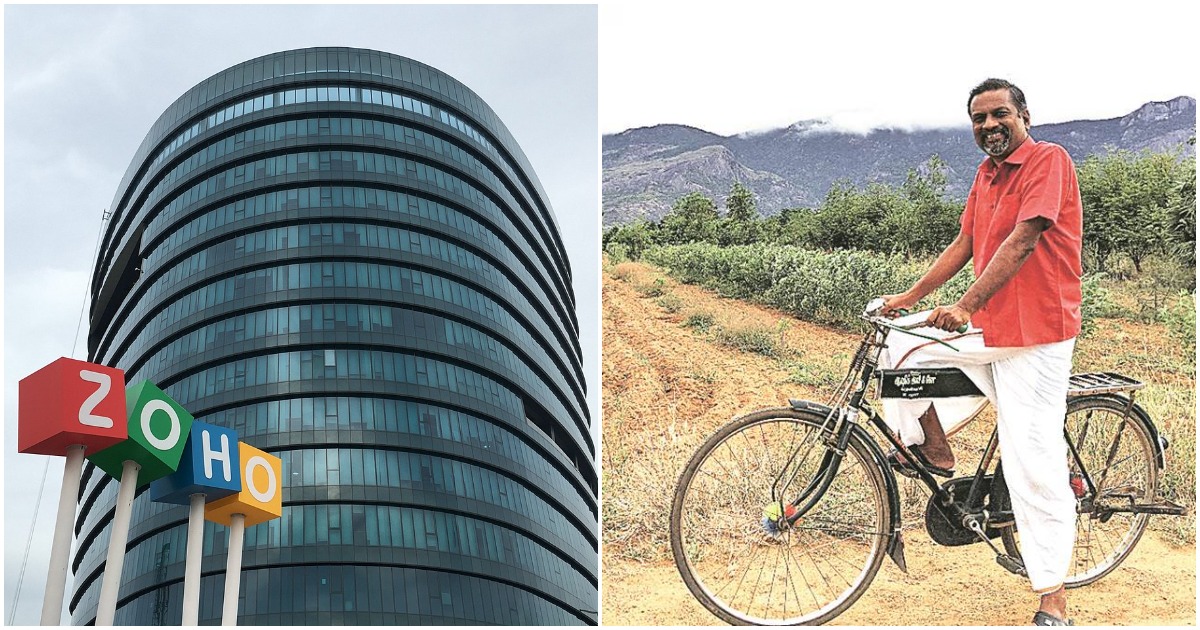
The founder of Zoho chose rural Tamil Nadu over Silicon Valley. With no VC money and minimal PR noise, he scaled a global SaaS company while creating local employment. No flashy team, just focused innovation.
🌍 Global Examples: Unicorns Without a Team
🔸 Pieter Levels – The Solo SaaS Machine
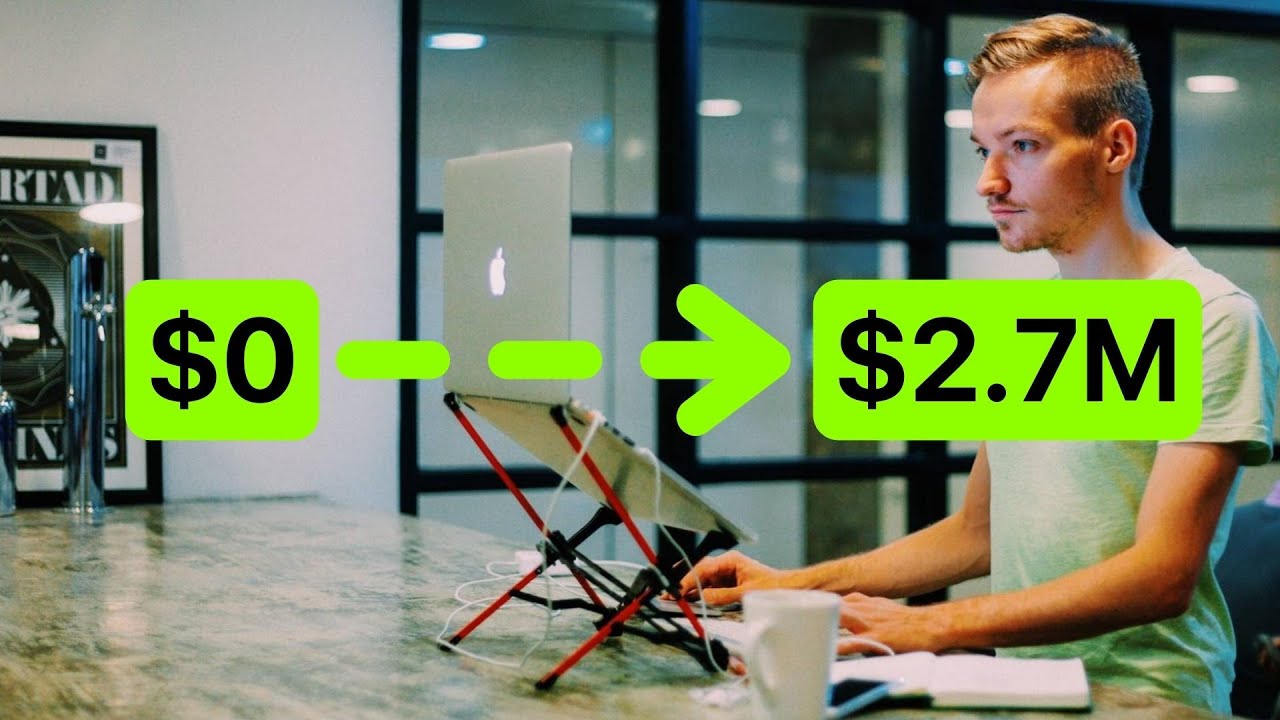
This Dutch indie hacker built Nomad List and Remote OK, raking in millions in revenue—all solo. He famously tweeted, “You don’t need a co-founder, you need focus.”
🔸 Daniel Vassallo – From AWS to Indie Empire
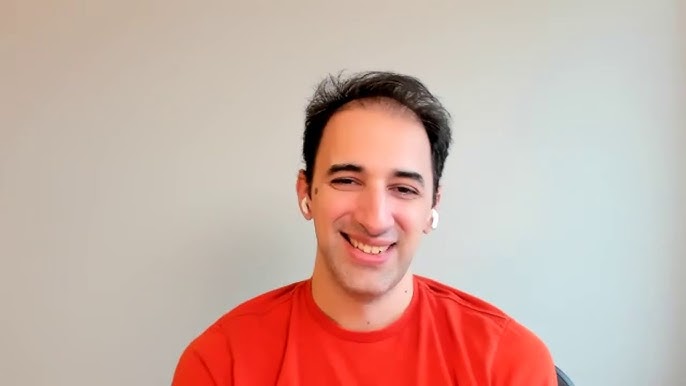
After quitting Amazon, Daniel started selling simple tools and digital products. With just a newsletter, a Twitter account, and zero employees, he now earns over $500K/year.
🧠 How Is This Even Possible?
Let’s decode the magic formula:
- AI & Automation: Design, code, content—all done faster and better than ever.
- No-code Platforms: Websites, apps, and tools without touching a line of code.
- Global Distribution: Twitter, YouTube, and Substack = worldwide reach, zero marketing team.
- Community over Corporation: Customers are the co-creators. No middle layers needed.
💰 The Myth of Needing Millions in Funding
Mira Murati, ex-CTO of OpenAI, raised $2 billion for her startup Thinking Machines with no product, no pitch deck, and no team.
Why?
Because in today’s world, you are the signal.
People now invest in the founder more than the business plan.
Even small solo builders are raising micro-funds, building sustainable one-person businesses, and saying goodbye to boardrooms forever.
🧨 Why Big Might Be the New Dumb
Let’s be honest:
- Big teams = more meetings, slower decisions, and diluted vision.
- Solo founders = agility, focus, ownership.
What you lose in manpower, you gain in clarity.
No office politics.
No HR drama.
No committee to approve your idea.
😓 But There’s a Dark Side Too
This path isn’t all unicorn glitter and stock options.
- Burnout is real.
- No co-founder means no emotional support.
- You wear all the hats—even the ones you hate.
Still, if you can stay mentally strong, the payoff isn’t just money—it’s freedom.
🪞 Final Thought
In an age obsessed with scale, maybe it’s time to admire depth over width.
Some of the greatest revolutions started not with noise, but with quiet, consistent action—by one person who just wouldn’t quit.
So yes—the next unicorn might just be a team of one.
And they might be sitting quietly right now… coding, creating, or sipping chai on their balcony.
📢 Nishani’s Take:
In a world full of hype, it’s time to bet on clarity over chaos.
Solo founders aren’t just a trend—they’re a blueprint for the future.
India has the talent.
The world has the tools.
Let’s build smart, lean, and loud.
🏷️ Tags:
#UnicornStartups #SoloFounder #IndieHacker #IndiaStartups #FutureOfWork #BootstrapRevolution
Comments

Hi, I’m Nishanth Muraleedharan (also known as Nishani)—an IT engineer turned internet entrepreneur with 25+ years in the textile industry. As the Founder & CEO of "DMZ International Imports & Exports" and President & Chairperson of the "Save Handloom Foundation", I’m committed to reviving India’s handloom heritage by empowering artisans through sustainable practices and advanced technologies like Blockchain, AI, AR & VR. I write what I love to read—thought-provoking, purposeful, and rooted in impact. nishani.in is not just a blog — it's a mark, a sign, a symbol, an impression of the naked truth. Like what you read? Buy me a chai and keep the ideas brewing. ☕💭 For advertising on any of our platforms, WhatsApp me on : +91-91-0950-0950 or email me @ support@dmzinternational.com