Solve Rich People’s Problems – Then Solve the World’s
🧠 Solve rich people’s problems. They pay better.
This quote might sound arrogant at first glance, but it holds a brutal truth. Not just about business—but about the society we live in.
If you’re building anything—whether it’s a product, a service, or a movement—start by solving problems that rich people have. Why?
Because they pay in full, they don’t negotiate your worth, and if you impress one, word spreads faster than fire in a dry forest.
But let’s dig deeper into what that really means—and how we can use it to fund a revolution that benefits everyone, not just the rich.
🧵 Case Study: Sustainable Fashion
Let’s say you’re creating 100% handmade clothing from natural fibers—no polyester, no greenwashing, just raw honesty and real sustainability. Now ask yourself:
Who actually buys that kind of product right now?
Answer: People with disposable income. The upper class. The “rich.”
Why?
- Because they can afford to care.
- Because they want exclusivity.
- Because their clothes say, “I don’t buy mass-produced. I support ethics.”
They buy status. And sustainability is becoming a status symbol.
Just like electric cars, organic foods, and zero-waste homes—ethically made fashion is trendy for the elite.
And that’s not necessarily a bad thing.
Because if their guilt-driven vanity can bankroll your ethical business, you now have a runway.
💰 The Harsh Truth: Impact Costs Money
Let’s be real for a second. Changing the world is expensive.
- Paying fair wages to artisans costs more.
- Sourcing pure natural fibers costs more.
- Avoiding shortcuts like polyester costs more.
- Packaging without plastic costs more.
The poor can’t pay for this change. The middle class is trying to survive.
So who funds the revolution first?
The rich.
And if you’re smart, you’ll make a deal with the devil—but only to rob him of his gold and build heaven with it.
🪜 Phase 1: Solve Their Problems
The rich want:
- Skin-friendly, breathable fashion.
- Zero plastic.
- Traceable origins.
- Instagrammable “green guilt” relief.
- Products with a story, not a barcode.
You give them:
✅ NFC-scannable Digital Product Passports
✅ One-year “Handloom Integrity Guarantee”
✅ Transparent supply chains
✅ Handmade exclusivity
✅ Real zero-polyester fabrics
And they’ll give you:
💰 Funding
📣 Influence
🧑🤝🧑 Network effects
🧶 Phase 2: Use That to Solve Real Problems
Once your business grows strong by solving rich people’s problems, redirect that power.
- Start innovating to make sustainable fashion affordable for all.
- Create subsidy models, exchange programs, or pre-loved handloom stores.
- Train more artisans, build rural economies.
- Collaborate with NGOs and governments to scale ethical production.
Make the ₹4,000 saree available in a ₹900 avatar without killing the weaver or diluting the ethics.
It can be done—once the top has paid for your wings.
🔥 Final Thought: The Robin Hood Model of Business
This is the future of ethical entrepreneurship:
Earn like a capitalist. Spend like a reformer. Operate like a rebel.
So yes, solve rich people’s problems.
But only to build a business powerful enough to solve the rest of the world’s problems.
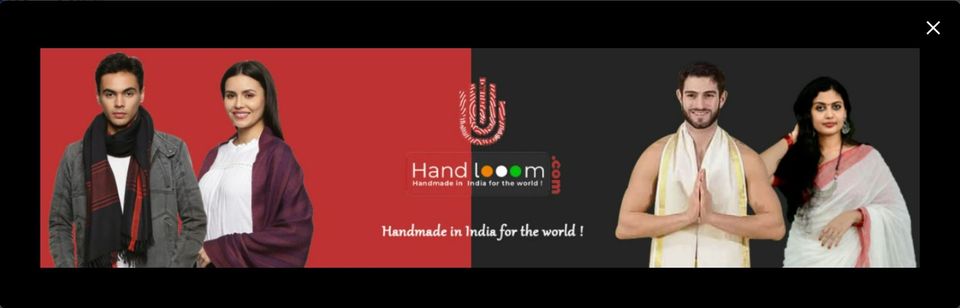
At Handlooom.com and Save Handloom Foundation, that’s the revolution we’re working on.
Because sustainability should not be a luxury—it should be the norm.
And if the rich help us get there faster… we say, thank you for your guilt.
✍️ Written for Nishani.in
Let’s disrupt the fabric of fast fashion—one ethical thread at a time.
Comments

Hi, I’m Nishanth Muraleedharan (also known as Nishani)—an IT engineer turned internet entrepreneur with 25+ years in the textile industry. As the Founder & CEO of "DMZ International Imports & Exports" and President & Chairperson of the "Save Handloom Foundation", I’m committed to reviving India’s handloom heritage by empowering artisans through sustainable practices and advanced technologies like Blockchain, AI, AR & VR. I write what I love to read—thought-provoking, purposeful, and rooted in impact. nishani.in is not just a blog — it's a mark, a sign, a symbol, an impression of the naked truth. Like what you read? Buy me a chai and keep the ideas brewing. ☕💭 For advertising on any of our platforms, WhatsApp me on : +91-91-0950-0950 or email me @ support@dmzinternational.com