
Fahadh and His Ferrari: A Love Story Written in Horsepower
When we talk about cars, most of us talk about mileage, EMI, and whether the parking slot can fit it. But then there are those rare few who don’t just buy cars—they collect dreams, stitched together with horsepower and history. Fahadh Faasil just did exactly that, by parking a Ferrari Purosangue—the first-ever four-door Ferrari—in his garage.
This isn’t just about a car. This is about what a car means.
The Machine: Ferrari Purosangue
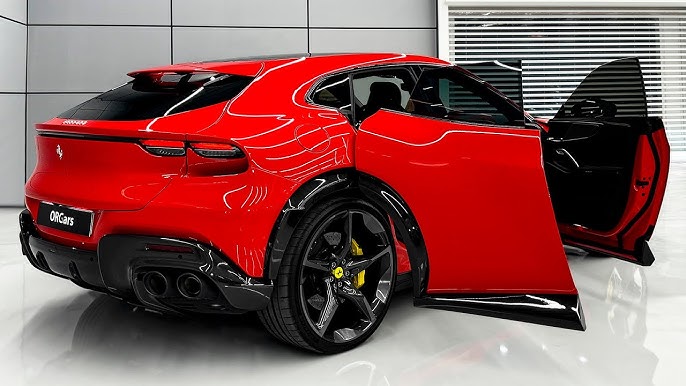
On paper, it looks like another Italian masterpiece—but one with a twist. Ferrari, a brand that resisted the SUV wave for decades, finally gave in to practicality without losing its soul.
- Four doors: A Ferrari that can actually take your family along (no more excuses that it’s a “two-seater toy”).
- Naturally aspirated V12: A dying breed in today’s turbo-hybrid-obsessed market. This is raw, unfiltered Ferrari music under the hood.
- Performance: 0–100 km/h in just 3.3 seconds. A family car that outruns 99% of “sports cars” on the road.
On-road price of the Ferrari Purosangue in Kochi stands at around ₹13.3 crore, including taxes, registration, and insurance. That’s the price Fahadh Faasil shelled out to bring home the first-ever four-door Ferrari, making his garage roar with a V12 worth more than most luxury villas.
The Purosangue is not just Ferrari entering a new category—it’s Ferrari redefining what family luxury performance means.
Fahadh Faasil: The Man and the Machine
Fahadh’s love for cinema is well known, but his love for cars? That’s a script still being written. The fact that he chose this particular Ferrari says a lot.
He didn’t go for the flashiest convertible or the loudest track monster. He went for the car that balances contradictions:
- Tradition (the iconic V12) with Modernity (four-door comfort).
- Speed with Space.
- Luxury with Utility.
Much like his career, Fahadh didn’t pick the obvious blockbuster role—he picked the layered, complex one.
The Shift in India’s Car-Culture
A decade ago, supercars in India were mostly Delhi and Mumbai trophies—loud Lamborghinis crawling in traffic, Rolls Royces parked outside nightclubs, Bentleys becoming props for page-3 photographs. Cars were about status display.
But now, a subtle shift is happening.
- Stars like Fahadh in Kerala, or entrepreneurs outside the usual metros, are buying machines not as symbols, but as extensions of personal passion.
- The conversation is moving from “Who saw me arrive?” to “What does this car mean to me?”
- Instead of flaunting in five-star hotel driveways, owners are building personal garages that look like shrines.
This decentralization of supercar culture is fascinating—India’s wealth map is no longer just metro-centric. Passion is spreading to tier-2 cities, to film industries outside Bollywood, to individuals who want cars not to show off, but to live with.
India vs The West: A Cultural Contrast
In the West, a Ferrari or Lamborghini is often a weekend toy—something you pull out for a Sunday drive, or take to the track for fun. Supercars are part of a lifestyle, not a life milestone.
But in India, it’s different.
- A supercar isn’t just a machine—it’s a marker of arrival.
- For many, it represents decades of ambition, sacrifice, and a once-in-a-lifetime purchase.
- Roads, taxes, and even parking lots make owning one a battle—but that’s exactly why it feels like victory when it finally sits in your garage.
So when Fahadh buys a Purosangue in Kochi, it’s not just a new car—it’s a cultural signal. It tells the world that Indian success stories are rewriting the old rules. That passion isn’t limited to Silicon Valley or Hollywood—it lives in Kerala too, breathing in the roar of a V12.
The Psychology of Cars and Achievement
Why do men—especially stars, athletes, and entrepreneurs—obsess over cars? Because cars are not just transport; they are moving metaphors for achievement.
- Control and Power: Behind the wheel of a 715-horsepower Ferrari, control feels absolute—even when life outside is chaotic.
- Freedom and Escape: A supercar is an escape pod from routine, a reminder that speed can bend time.
- Identity and Legacy: Cars become an extension of personality. Some buy flashy Lamborghinis for noise, others buy Ferraris for heritage. Fahadh chose Purosangue because it reflects his own brand of understated intensity.
- Scarcity and Symbolism: When something is rare, owning it isn’t about money—it’s about meaning. It’s proof that the impossible is now parked in your driveway.
Psychologists say big-ticket purchases like this are rarely about utility. They’re about anchoring success to something tangible. In Fahadh’s case, the Ferrari is not just a car—it’s a story he can touch every morning.
What This Ferrari Really Symbolizes
For most people, cars are transport. For some, cars are passion. For a select few, cars are identity.
The Purosangue in Fahadh’s garage is a statement:
- That Indian stars no longer see luxury as importing status—they see it as owning stories.
- That success today isn’t about flaunting—it’s about choosing right.
- That love for machines isn’t about horsepower alone—it’s about heritage, sound, and emotion.
Beyond the V12 Roar
But here’s the thought-provoking bit.
When one man buys a Ferrari, social media either drools or complains: “Why spend crores on a car when there’s poverty outside?”
Both reactions miss the point. Fahadh’s Ferrari isn’t the problem—it’s the symptom. The world we live in now allows for two extreme realities to coexist: someone buying a 10+ crore Italian car while someone else still can’t afford bus fare.
That’s not Fahadh’s contradiction—it’s India’s contradiction. A Ferrari Purosangue in Kochi is as much about aspiration as it is about inequality.
Final Thought
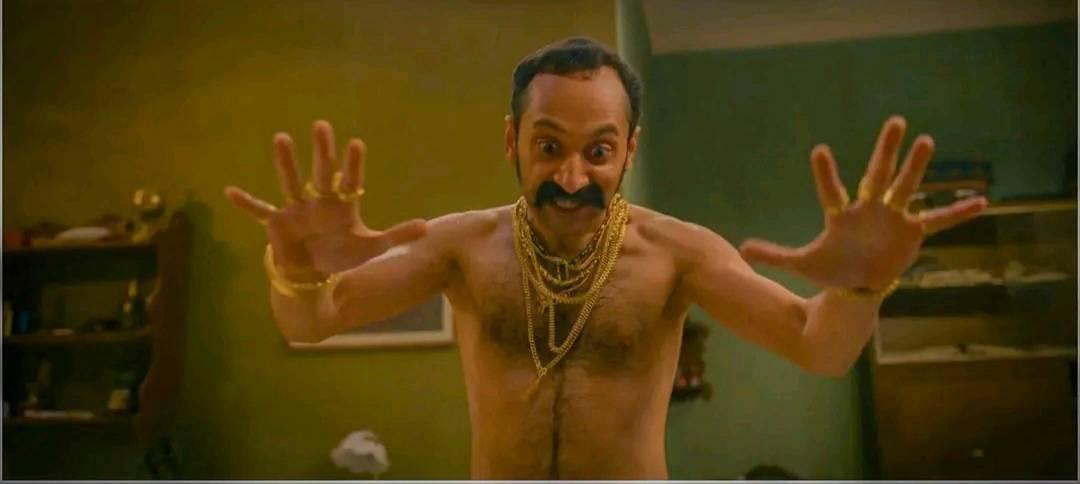
Fahadh Faasil’s Ferrari is more than just a car parked in a luxury home. It’s a metaphor for ambition, taste, and the changing face of Indian success.
He earned this machine not through shortcuts or inheritance, but through raw talent, relentless craft, and a body of work that audiences across the world applaud. In his case, the money isn’t wasted—it’s a reward well-earned, a dream turned tangible.
The real question isn’t why Fahadh bought the Purosangue. The real question is:
What are we chasing in life—speed, comfort, identity, or meaning?
Because in the end, whether you drive a Ferrari or a scooter, the road demands the same thing—knowing why you’re on it.
Comments

Hi, I’m Nishanth Muraleedharan (also known as Nishani)—an IT engineer turned internet entrepreneur with 25+ years in the textile industry. As the Founder & CEO of "DMZ International Imports & Exports" and President & Chairperson of the "Save Handloom Foundation", I’m committed to reviving India’s handloom heritage by empowering artisans through sustainable practices and advanced technologies like Blockchain, AI, AR & VR. I write what I love to read—thought-provoking, purposeful, and rooted in impact. nishani.in is not just a blog — it's a mark, a sign, a symbol, an impression of the naked truth. Like what you read? Buy me a chai and keep the ideas brewing. ☕💭 For advertising on any of our platforms, WhatsApp me on : +91-91-0950-0950 or email me @ support@dmzinternational.com