
Indian Roads: Where Safety Is Not an Option, but Survival
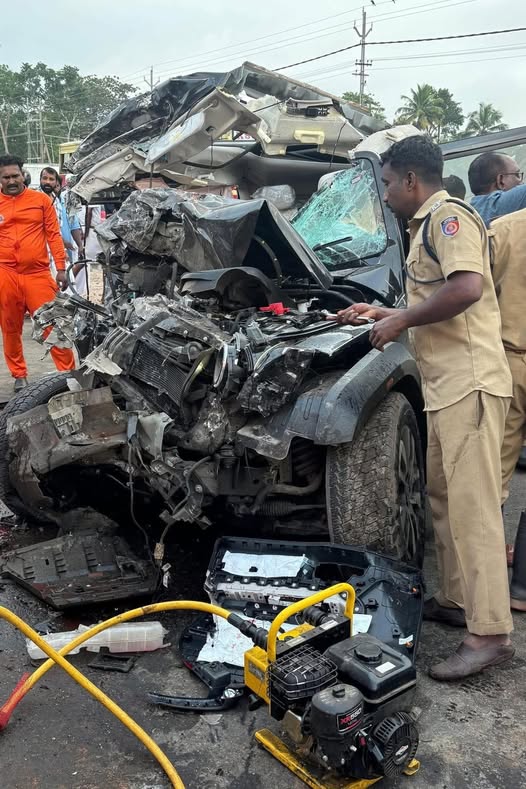
Every morning, the newspaper brings another story of lives lost on Indian roads. Today, it was a Mahindra Thar Roxx—crumpled beyond recognition, three lives gone in an instant.
I couldn’t help but think: if a vehicle with the latest safety features couldn’t save them, then what chance do the rest of us have?
I drive across South India often, mostly alone, and I’m particular about my choice of cars. My current ride is a Ford EcoSport—built like a tank. I, like many cautious drivers, follow certain personal rules. No speeding for the thrill of it. No phone calls while on the move unless it’s on speaker, and if it demands attention, I pull over. After 6 or 7 p.m., I don’t push myself on highways. If needed, I check into a stay by evening rather than risk night driving. These habits have kept me safe, even after being hit from the front and rear multiple times. But it’s not just my story—it’s a mirror for what all of us need to think about.
The Reality of Indian Roads
Driving in India isn’t like driving in Europe or the US. Here, you’re not just navigating asphalt—you’re navigating chaos.
- Pros:
- Driving gives freedom, independence, and access to some of the most scenic routes in the world.
- Vehicles today come with top-class safety features—airbags, ABS, traction control, lane assist.
- Good highways (like some stretches of NH and expressways) are improving connectivity.
- Cons:
- Roads are unpredictable—potholes, stray cattle, sudden wrong-side driving.
- Enforcement of rules is patchy; speed limits are rarely monitored consistently.
- Pedestrians, bikers, and even trucks often flout every known traffic law.
- Poor lighting and unmarked diversions at night are accidents waiting to happen.
On Indian roads, the margin of error is razor thin.
Life-Saving Steps Every Driver Must Follow
Experts keep repeating the same golden rules. The tragedy is—we ignore them until it’s too late. Here are the non-negotiables:
- Control Your Speed
- Speed thrills, but it also kills. Even at 80–100 km/h, a moment of distraction is enough to end lives.
- Stick to limits, especially on state highways and rural stretches where surprises are common.
- Never Mix Sleep and Driving
- Drowsiness is as deadly as drunkenness. If sleep hits, stop immediately. A 10-minute nap is better than never waking up.
- Phones Can Wait
- No call is worth a collision. Use speaker mode if absolutely necessary. Otherwise, pull over.
- Respect Time, Don’t Race It
- Avoid late-night driving. Darkness hides dangers—broken-down trucks, unlit vehicles, animals.
- Plan journeys so that you check into your stay by evening.
- Keep Your Vehicle Road-Ready
- Regular servicing, tyre pressure checks, wheel alignment, functioning brakes—these are not luxuries.
- A small neglect today could mean a major accident tomorrow.
- Anticipate Others’ Mistakes
- Defensive driving is survival. Assume the other driver may cut you off, a biker may swerve, or a bus may overtake blindly.
- Belt Up, Always
- Seatbelts save lives. Even rear passengers should wear them, no excuses.
What We Must Learn From Every Crash
Each accident on our roads should be treated like a classroom lesson. Why did it happen? What failed—the driver, the machine, or the system?
In today’s Thar Roxx crash, despite automatic braking, lane assist, and steering vibration alerts, three people didn’t make it home. Did the driver faint? Did sleep take over? Or was it a freak chain of events beyond technology’s control?
The truth is—safety features are support systems, not substitutes for responsibility. They can assist, but they can’t override poor judgment or human fatigue.
The Hard Truth
India leads the world in road accident deaths. The World Bank estimates that India loses about 1.5 lakh lives annually on its roads—that’s like wiping out a small city every year. Behind every statistic is a family shattered forever.
Driving here isn’t just about reaching your destination—it’s about survival. Every decision, every moment of alertness, every precaution matters.
Final Thought
We love to say “God saved me” when we narrowly escape accidents. But faith alone won’t save us—discipline will.
- Slow down.
- Sleep enough.
- Put the phone down.
- Respect the road.
Because the truth is simple: On Indian roads, safety isn’t a feature. It’s a responsibility.
Comments

Hi, I’m Nishanth Muraleedharan (also known as Nishani)—an IT engineer turned internet entrepreneur with 25+ years in the textile industry. As the Founder & CEO of "DMZ International Imports & Exports" and President & Chairperson of the "Save Handloom Foundation", I’m committed to reviving India’s handloom heritage by empowering artisans through sustainable practices and advanced technologies like Blockchain, AI, AR & VR. I write what I love to read—thought-provoking, purposeful, and rooted in impact. nishani.in is not just a blog — it's a mark, a sign, a symbol, an impression of the naked truth. Like what you read? Buy me a chai and keep the ideas brewing. ☕💭 For advertising on any of our platforms, WhatsApp me on : +91-91-0950-0950 or email me @ support@dmzinternational.com