
One Year Without Ratan Tata — And the Cracks Are Finally Showing
Straight talk. No sugar. Just truth.: By Nishani.in
Exactly a year since Ratan Naval Tata left this world — and the empire he built with quiet grace is shaking from within.
He once said, “I don’t believe in taking right decisions. I take decisions and make them right.”
But today, there’s no one left strong enough to make them right.
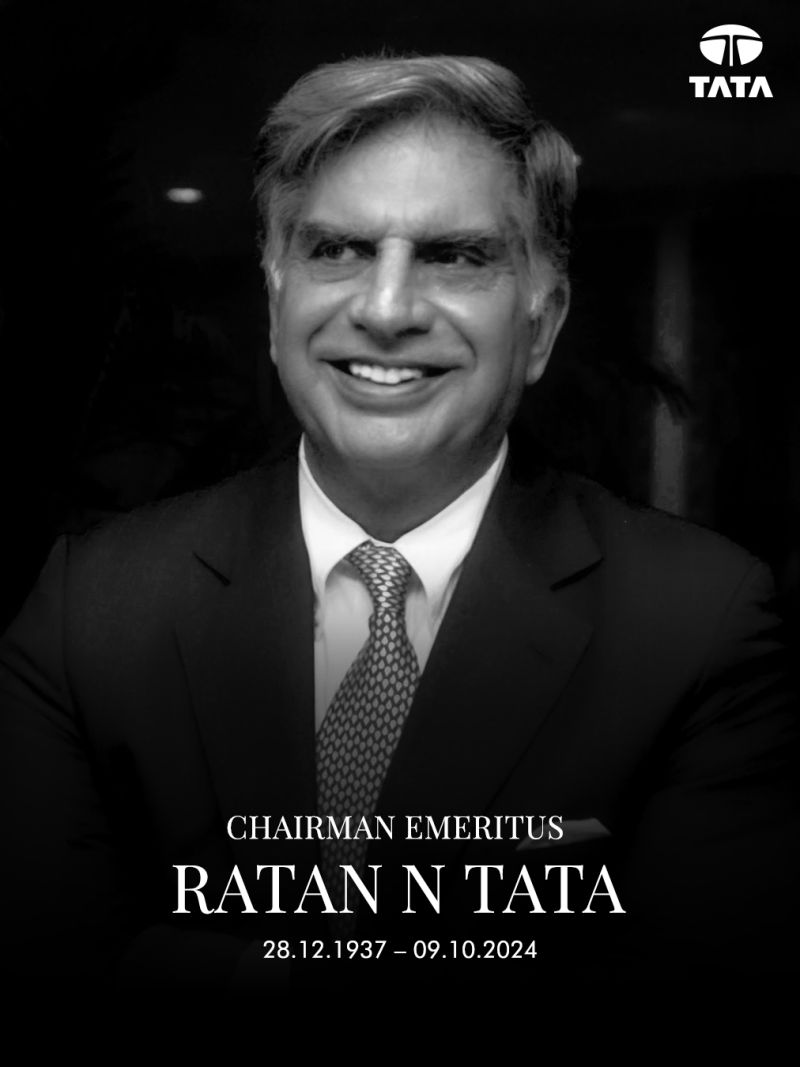
🌩️ The Cracks in the Tata Wall
Let’s call it what it is: infighting, ego wars, and power struggle — right at the heart of India’s most respected business group.
The Tata brand was once synonymous with integrity and nation-building. But since Ratan Tata’s passing, the group’s own foundation — Tata Trusts, which controls most of Tata Sons — has turned into a battlefield.
One side stands loyal to Noel Tata (Ratan Tata’s half-brother and now Chairman of Tata Trusts).
The other side, a powerful lobby of trustees, feels sidelined and shut out from major decisions.
Behind the smiles in press photos are boardroom doors shaking with arguments over:
- Who controls Tata Sons’ board seats
- Who approves financial disclosures
- Who decides independent directors
- And — the biggest fight of all — how to handle the Shapoorji Pallonji Group’s stake (which has long been a thorn in Tata’s side).
The Shapoorji Pallonji (SP) Group, led by the Mistry family, has been the single largest minority shareholder in Tata Sons with an 18.4% stake.
After years of bitter legal battles (including Cyrus Mistry’s removal as Tata Sons chairman in 2016), the SP Group decided to exit the Tata empire. The issue now is how to value and buy back that massive stake — a deal that could run into ₹1.5 to ₹2 lakh crore, depending on valuation methods.
That’s the “pending settlement” — and it’s one of the biggest unresolved corporate divorces in Indian history.
This isn’t just about power. It’s about the soul of the Tata legacy — whether it will remain guided by ethics, or become another corporate dynasty consumed by internal politics.
⚙️ When the Government Steps In
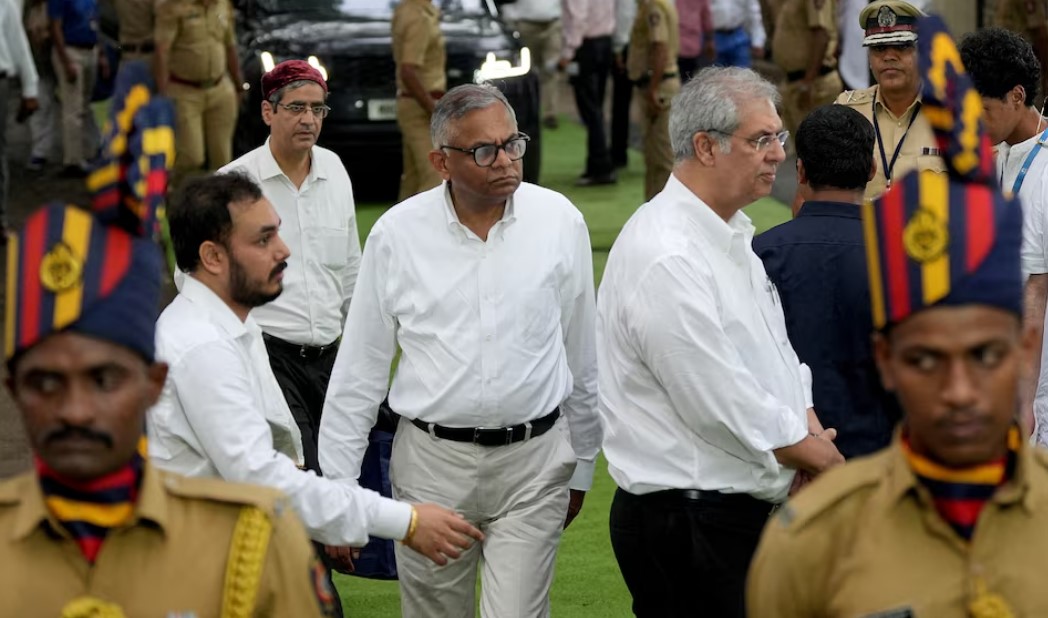
When India’s biggest corporate house starts wobbling, Delhi doesn’t stay silent.
A few days ago, top Tata leaders quietly walked into the corridors of power — meeting Home Minister Amit Shah and Finance Minister Nirmala Sitharaman.
The agenda wasn’t to discuss business — it was to calm the storm.
Because when Tata shakes, the country listens.
Tata Group holds stakes in aviation, automobiles, defense, IT, steel, energy, retail, and finance.
If this internal chaos spills over, it could ripple through the stock market, investments, and even government partnerships.
Delhi’s message was blunt:
“Do what it takes. Restore stability. Don’t let this go public.”
That tells you how serious the situation is. The government doesn’t normally mediate in private boardroom drama — unless the house is on fire.
🧩 The Real Reason Behind the Crack
Here’s the shocking truth few are willing to say out loud:
The Tata structure is too complicated to survive without a moral anchor like Ratan Tata.
The empire is technically owned by charitable trusts, not a family or single corporation.
That model worked when Ratan Tata was alive — because everyone trusted his decisions.
Now, with multiple trustees trying to assert control, that same model is tearing itself apart.
Each trust wants a voice. Each trustee wants recognition. And everyone claims to be protecting Ratan Tata’s legacy — while doing the opposite.
The truth?
The fight is not about ideals. It’s about influence.
Who gets to decide the direction of a ₹30-lakh-crore empire.
Who gets the seat at the table when Tata Sons decides the next big acquisition or divestment.
And who inherits the moral halo of the Tata name.
💔 Ratan Tata’s Legacy Is Being Tested
Ratan Tata wasn’t just a businessman.
He was the conscience of Indian capitalism — the man who refused to bribe, who rescued employees first, who walked the talk when others only posted slogans.
He turned Tata from a colonial-era industrial house into a global power — buying Jaguar-Land Rover when others laughed, and reviving Air India when others gave up.
He believed that profit means nothing if people don’t prosper with it.
And now, one year after his death, the same empire he humanized is battling for control like any ordinary corporate fiefdom.
⚠️ The Silent Fear
Insiders whisper that the recent meetings with the government were not just about patching up internal rifts — but also about preventing financial fractures.
There’s anxiety over:
- The pending settlement with the Shapoorji Pallonji Group
- Potential board shake-ups inside Tata Sons
- And rising tension among trustees who feel the new leadership is centralizing too much power
In short:
The Tata legacy is facing what every great institution eventually does — the danger of losing its soul in the process of saving its empire.
🌿 The Final Thought
One year ago, India mourned a man who led with silence, not noise.
Today, the noise inside the Tata corridors drowns that silence.
If Ratan Tata were alive to see this, he wouldn’t have raised his voice. He would have asked one question:
“Are we still doing the right thing?”
That’s the question the Tata family, its trustees, and its leaders must answer — before this fight turns a legacy of ethics into just another empire of egos.
Because Ratan Tata built trust that no money could buy.
If that trust breaks — the cracks won’t just be in the wall.
They’ll be in India’s conscience.
Comments

Hi, I’m Nishanth Muraleedharan (also known as Nishani)—an IT engineer turned internet entrepreneur with 25+ years in the textile industry. As the Founder & CEO of "DMZ International Imports & Exports" and President & Chairperson of the "Save Handloom Foundation", I’m committed to reviving India’s handloom heritage by empowering artisans through sustainable practices and advanced technologies like Blockchain, AI, AR & VR. I write what I love to read—thought-provoking, purposeful, and rooted in impact. nishani.in is not just a blog — it's a mark, a sign, a symbol, an impression of the naked truth. Like what you read? Buy me a chai and keep the ideas brewing. ☕💭 For advertising on any of our platforms, WhatsApp me on : +91-91-0950-0950 or email me @ support@dmzinternational.com