
American Dreams at Indian Prices: The Great NRI Illusion Nobody Wants to Admit
For decades, going to the United States was sold as the ultimate upgrade.
Better money. Better systems. Better life.
Now a new trend is making noise—NRIs returning to India after 15–25 years abroad, citing expensive US healthcare and lack of peace of mind. Fair enough. US healthcare is brutally expensive. No sane person denies that.
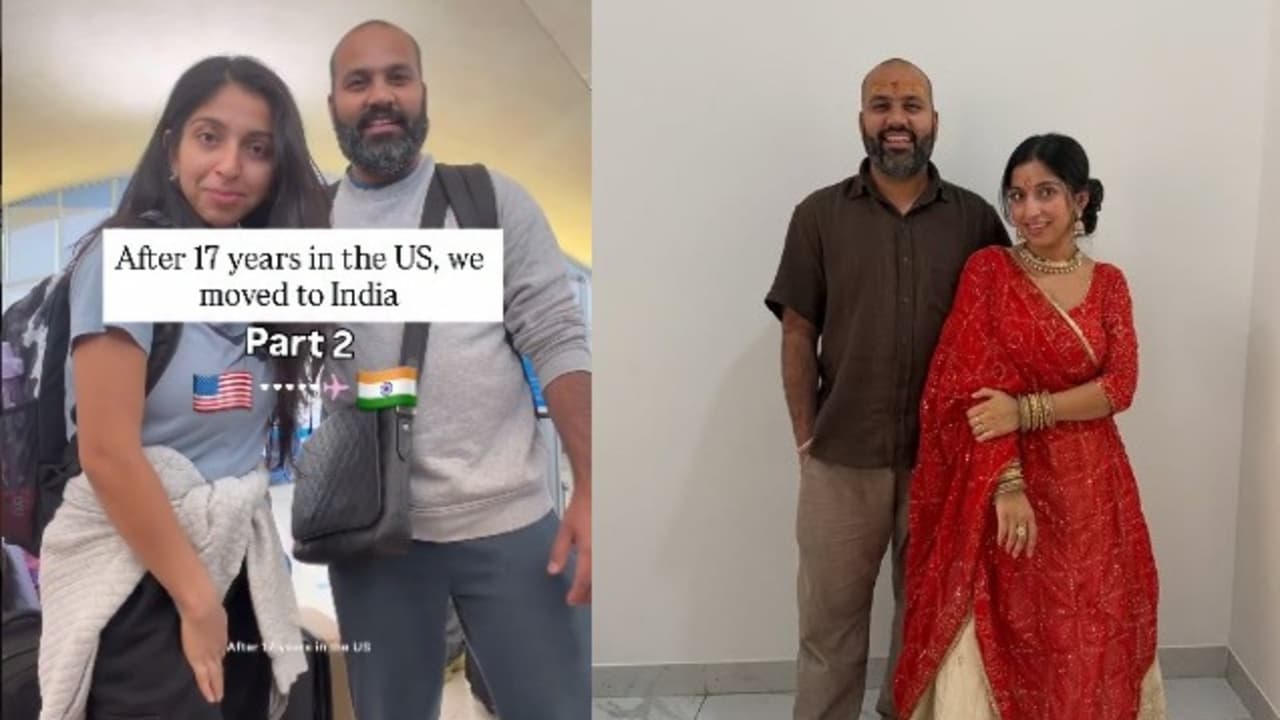
But let’s stop pretending this return is a noble rediscovery of roots.
It isn’t.
It’s a collision with reality.
What They Truly Want (But Rarely Say Clearly)
Most returning NRIs don’t want to “start over.”
They want to continue the same lifestyle—just cheaper.
They want:
- American-style living standards
- American-style job roles and work culture
- American-level income (or dollar income via remote work)
- World-class infrastructure and digital convenience
But simultaneously, they want:
- Indian-priced healthcare
- Indian consultation fees
- Indian hospital bills
- Indian “walk in and see a doctor today” access
Let’s be blunt.
This combination does not exist.
And it never will.
You can’t cherry-pick capitalism.
The Healthcare Wake-Up Call
In the US, healthcare is not a service—it’s an industry.
You pay:
- Monthly premiums
- Massive deductibles
- Co-pays for almost everything
- And then still receive a bill that makes you question your life choices
Appointments take weeks.
Emergency care comes with financial trauma.
Insurance paperwork is a second job.
India, in contrast, still feels humane:
- Walk in
- See a doctor
- Get treated
- Leave without refinancing property
Naturally, it feels like paradise.
But here’s the inconvenient truth:
Indian healthcare is affordable because Indian doctors, nurses, and systems are stretched thin and underpaid.
The comfort comes at someone else’s cost.
The Return-to-India Delusion
Many returnees subconsciously believe:
“We built our lives abroad. India should adapt to us.”
It won’t.
India has changed:
- Faster pace
- Less patience
- Intense competition
- Zero sympathy for nostalgia
Daily shocks follow:
- Bureaucracy feels chaotic after structured systems
- Noise, crowds, and unpredictability overwhelm
- Social recalibration becomes emotionally exhausting
Slowly, frustration replaces relief.
The Silent Crisis: Retirement Without Belonging
Here’s the part nobody prepares NRIs for.
A growing group of overseas Indians are now stuck:
- Too financially cautious to retire comfortably in the US
- Too dependent on Indian medical ease to stay abroad
- Too disconnected culturally to fully settle in India
- Too used to Western systems to accept Indian realities
They live in permanent limbo.
US gives money—but no healthcare peace.
India gives healthcare—but not emotional or systemic comfort.
Home becomes an abstract concept.
The Foreign Investor Invasion: The Game Is Changing
Here’s where most people are dangerously unaware.
India’s “affordable healthcare” is quietly being monetised.
Major US-based and global investors are investing billions into India’s largest private hospital chains. Once foreign private-equity money enters healthcare, the rules change completely.
Investors don’t invest for social service.
They invest for returns.
And returns come from:
- Higher consultation fees
- Expensive tests
- Inflated room charges
- Aggressive billing practices
Doctors don’t magically control this.
Hospitals must recover investor expectations—from patients.
Major Indian Private Hospital Groups with Foreign Investment
- CARE Hospitals – majority owned by US-based private equity
- KIMS Healthcare – part of foreign-controlled hospital platforms
- Manipal Hospitals – backed by global institutional investors
- Sterling Hospitals – taken over by private equity
- Ujala Cygnus Hospitals – controlled by international funds
This list isn’t future tense.
This is already happening.
What This Means for the Middle Class
The “India is cheap” narrative has an expiry date.
As private hospitals grow corporate and investor-driven:
- Affordable becomes premium
- Premium becomes luxury
- Luxury becomes inaccessible
The very reason NRIs return today—healthcare affordability—may disappear in the next decade.
India isn’t turning into the US overnight.
But it’s heading there—quietly, contract by contract.
The Harsh Question Nobody Asks
If the US is too expensive to live in…
and India is too exhausting to adjust to…
Where exactly do you belong?
You can’t demand:
- First-world salaries
- First-world systems
- Third-world prices
Life doesn’t work that way.
Healthcare is not a discount product.
Countries are not retirement plans.
And nostalgia doesn’t fix systemic clashes.
The Future Nobody Is Preparing For
Here’s what lies ahead if this trend continues:
- Indian private healthcare will become significantly costlier
- The “return to India” romance will collapse under reality
- More people will live between countries, never at peace in either
- Emotional loneliness will grow—not poverty, but displacement
Money can solve logistics.
It cannot manufacture belonging.
Final Reality Check
This isn’t about mocking returnees.
It’s about honesty.
A country is not a hotel.
Healthcare is not a coupon.
And every lifestyle upgrade comes with a bill—paid sooner or later.
Running from American healthcare costs doesn’t solve the problem.
It only delays the shock.
And reality—unlike insurance—doesn’t renew annually.
Comments

Hi, I’m Nishanth Muraleedharan (also known as Nishani)—an IT engineer turned internet entrepreneur with 25+ years in the textile industry. As the Founder & CEO of "DMZ International Imports & Exports" and President & Chairperson of the "Save Handloom Foundation", I’m committed to reviving India’s handloom heritage by empowering artisans through sustainable practices and advanced technologies like Blockchain, AI, AR & VR. I write what I love to read—thought-provoking, purposeful, and rooted in impact. nishani.in is not just a blog — it's a mark, a sign, a symbol, an impression of the naked truth. Like what you read? Buy me a chai and keep the ideas brewing. ☕💭 For advertising on any of our platforms, WhatsApp me on : +91-91-0950-0950 or email me @ support@dmzinternational.com