Followers are noisy. Positioning is power.

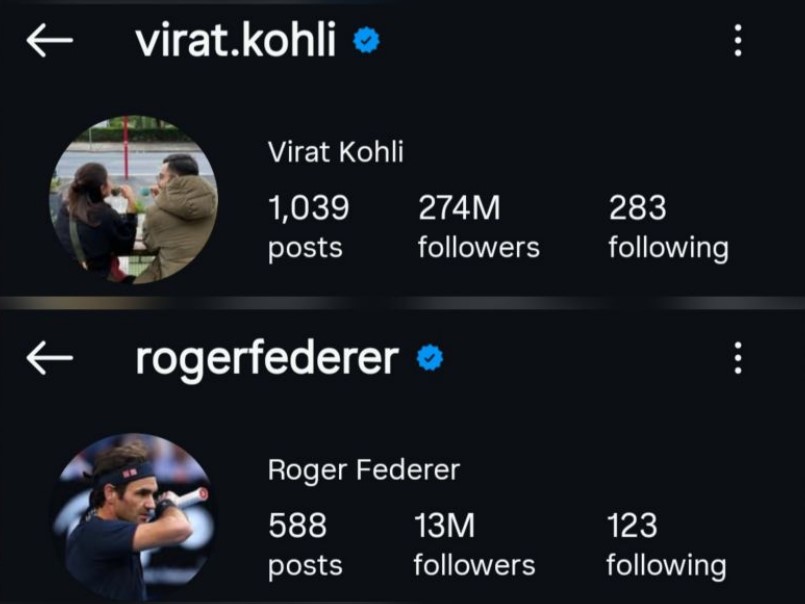
Virat Kohli has 274 million followers on Instagram.
Roger Federer has 13 million.
Instagram logic screams.
Marketing logic smiles calmly and walks away.
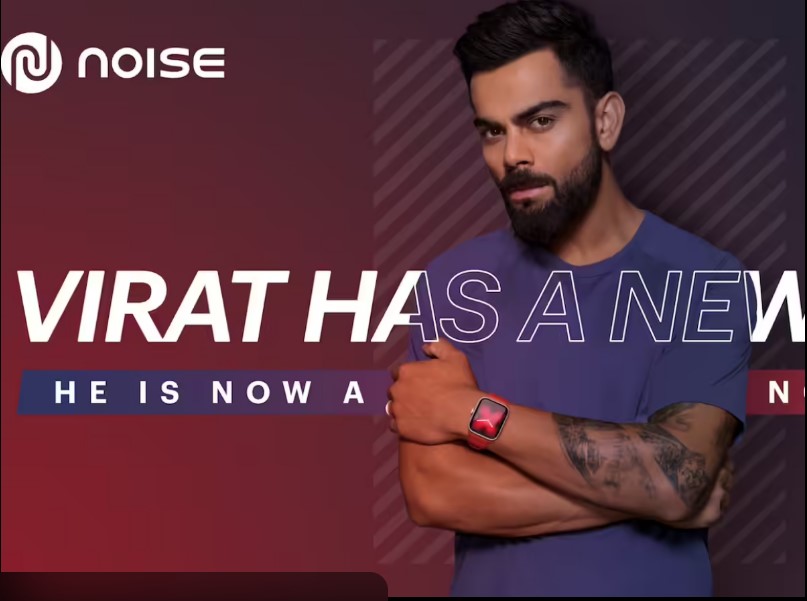
Because Kohli endorses Noise.
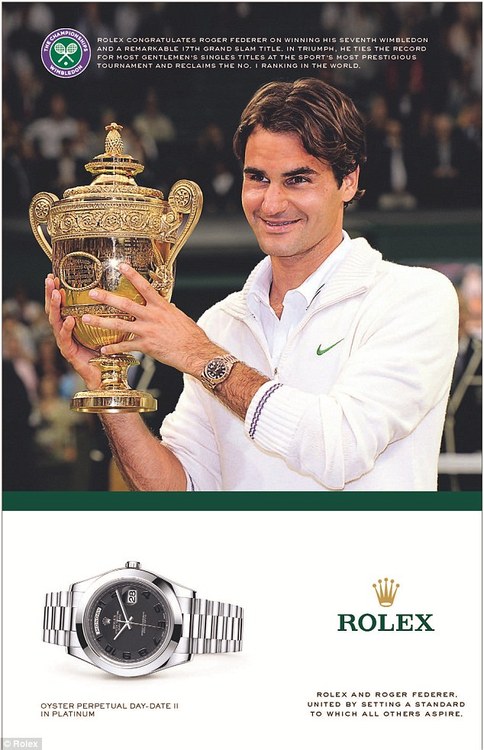
Federer represents Rolex.
And that, right there, is Branding 101 that most people fail spectacularly.
Big numbers don’t build big brands
Let’s be honest.
If follower count alone decided brand value, every mass product would scream luxury and every luxury brand would be doing discount reels.
But the world doesn’t work like that.
Noise is not selling a dream.
Noise is selling reach, affordability, volume, and impulse.
Kohli’s audience is huge, young, energetic, emotional, aspirational, price-aware.
Perfect match.
Rolex, on the other hand, isn’t chasing volume.
They don’t even chase customers.
They wait.
Rolex doesn’t advertise. It selects.
Rolex doesn’t need shouting.
It doesn’t need trends.
It doesn’t need 274 million people watching stories between memes.
Rolex sells status, silence, patience, legacy.
Federer fits that universe perfectly.
Calm. Precise. Timeless. Controlled.
Not loud. Not desperate. Not trying too hard.
Luxury brands don’t ask,
“How many people will see this?”
They ask,
“How will the right people feel when they see this?”
Mass brands scream. Premium brands whisper.
Noise wants to be everywhere.
Rolex wants to be rare.
Noise sells watches.
Rolex sells time as power.
That’s why:
- Noise leverages visibility
- Rolex leverages meaning
One is built for scale
The other is built for scarcity
Same product category.
Opposite branding universe.
The biggest branding mistake people make
Here’s the uncomfortable truth.
Most founders, marketers, influencers, and startups chase reach before relevance.
They think:
More followers = more sales
More likes = more trust
More noise = more brand
Wrong.
More noise often means less value.
The real game is not traffic.
It’s positioning.
Branding is not about audience size. It’s about audience fit.
Good brands don’t choose influencers.
They choose alignment.
They ask:
- Does this person reflect our values?
- Does their presence elevate or dilute us?
- Do they attract buyers or just eyeballs?
A million wrong eyes destroy a premium brand faster than silence ever will.
Why some brands feel powerful without shouting
You’ve noticed this.
Some brands barely speak.
Yet when they do, it feels heavy.
That’s not accidental.
That’s discipline.
That’s knowing exactly who they’re not selling to.
Final truth most marketers won’t admit
Virat Kohli is not bigger than Federer.
Federer doesn’t need to be bigger than Kohli.
They operate in different universes.
Brands that understand this survive long-term.
Brands that chase attention without identity burn fast.
Because at the end of the day,
Some brands sell to everyone and get forgotten.
Some brands sell to a few and become legends.
Choose wisely.
Here’s the missing piece that completes this branding puzzle — and honestly, this one hits hard if you’re in textiles, fashion, or building anything from India.
When handloom wears a suit and walks into the global boardroom
While most Indian handloom brands are still screaming “support local”, “pure handloom”, “please buy”, one brand quietly flipped the table.
11.11 (Eleven Eleven) didn’t ask the world to feel sorry for Indian handloom. They asked the world to desire it.
They put Brad Pitt–like global models in the frame.
Not influencers begging for engagement.
Not ethnic clichés.
But international faces that speak the universal language of taste, confidence, and premium lifestyle.
Their shirts don’t start at ₹999.
They start at ₹20,000 and go north without apology.
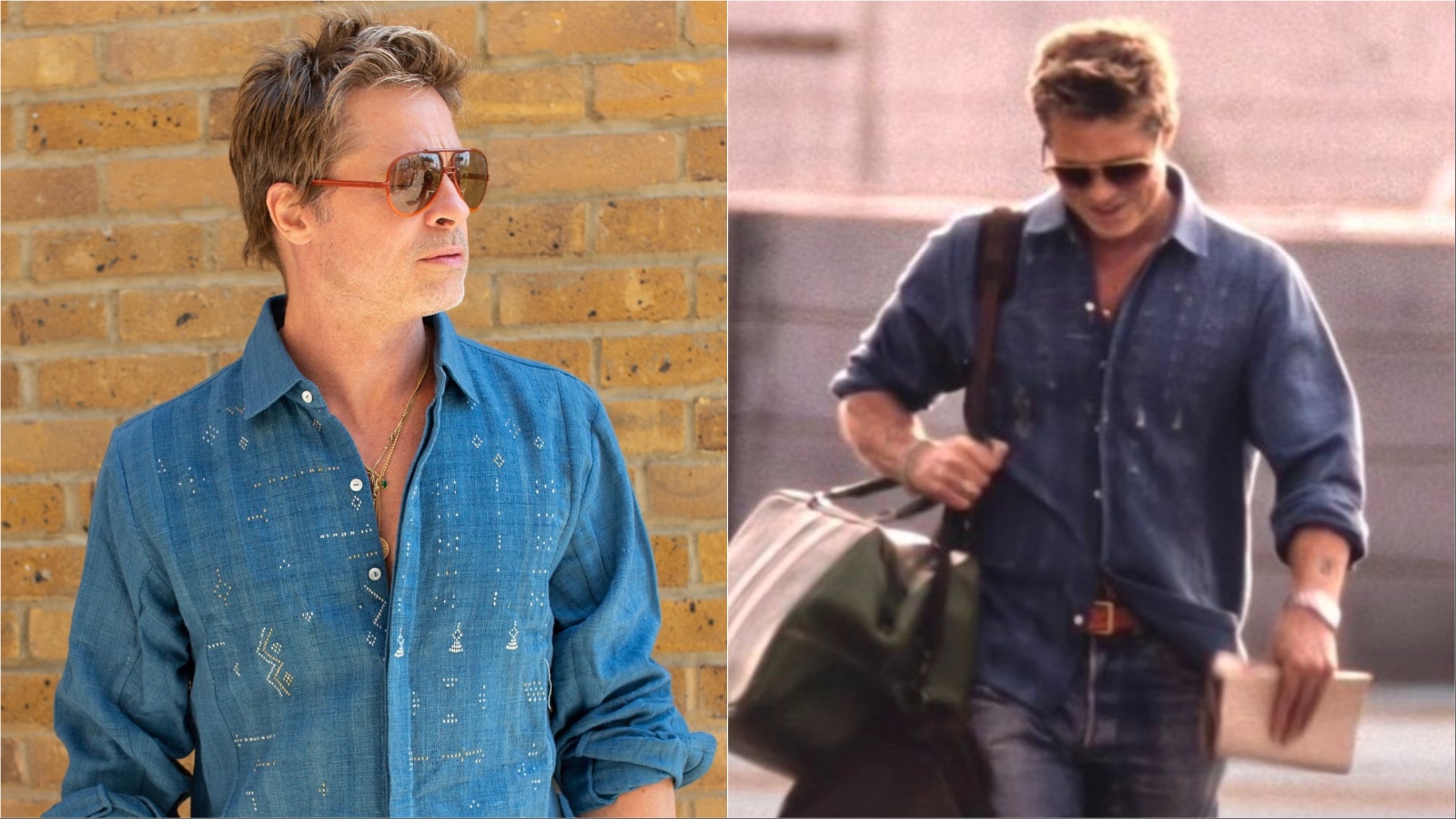
And guess what?
That’s exactly why the world started paying attention.
This isn’t selling fabric. This is selling placement.
11.11 understood something most Indian handloom brands still don’t.
Handloom doesn’t need sympathy.
Handloom needs positioning.
By choosing global-looking models, high-fashion editorial styling, and international visual language, they moved Indian handloom from “craft fair” to global luxury conversation. The product didn’t change.
The story, lens, and room it entered did.
Eyeballs followed not because it was Indian.
But because it looked global, confident, and expensive.
That’s not luck.
That’s design thinking applied to branding.
A word about the founders — quiet minds, sharp placement
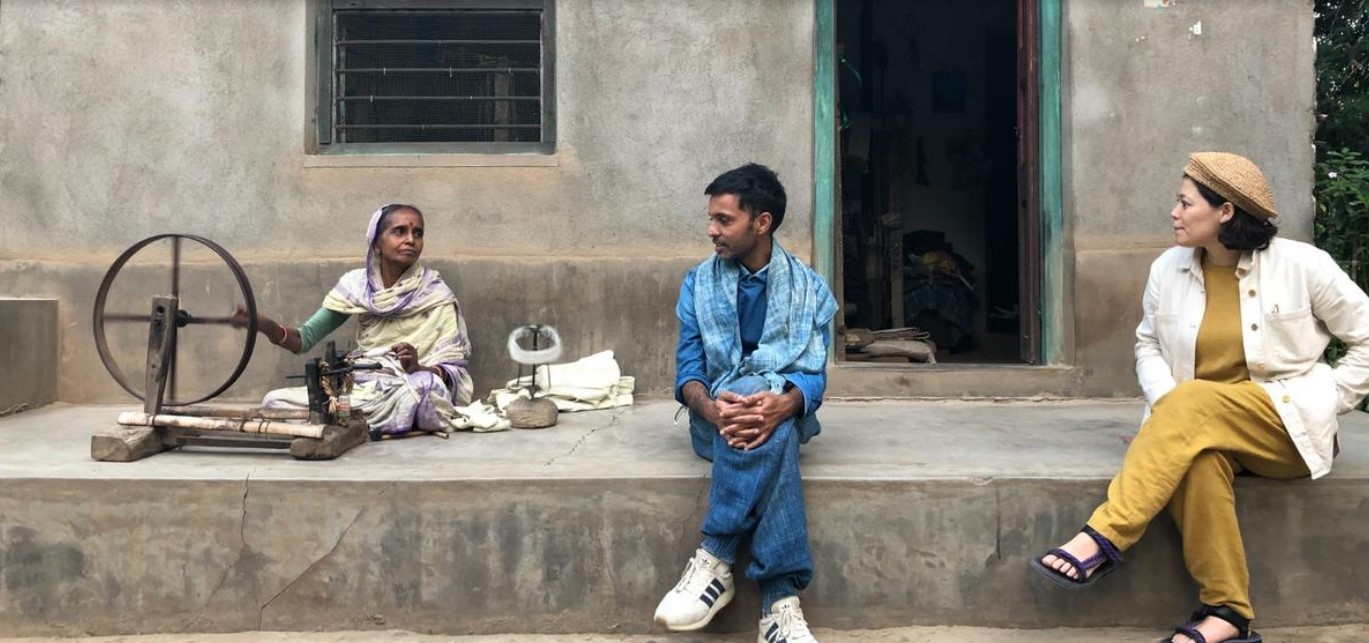
Mia Morikawa and Shani Himanshu of 11.11/eleven eleven with an artisan | Photo Credit: 11.11/eleven eleven
The founders of 11.11 are not chasing virality.
They’re chasing cultural positioning.
They understand fashion, global perception, and the psychology of aspiration. They know that if you want the world to respect Indian handloom, you don’t lower prices — you elevate context.
They didn’t ask,
“How do we sell more?”
They asked,
“Where should handloom belong?”
And they answered it brilliantly.
Final reality check
This is the common thread between Rolex, Federer, and 11.11.
Right customer.
Right story.
Right silence.
When you place your product in the correct universe, price stops being a problem.
It becomes a filter.
And that’s when branding stops shouting…
…and starts commanding.
Comments

Hi, I’m Nishanth Muraleedharan (also known as Nishani)—an IT engineer turned internet entrepreneur with 25+ years in the textile industry. As the Founder & CEO of "DMZ International Imports & Exports" and President & Chairperson of the "Save Handloom Foundation", I’m committed to reviving India’s handloom heritage by empowering artisans through sustainable practices and advanced technologies like Blockchain, AI, AR & VR. I write what I love to read—thought-provoking, purposeful, and rooted in impact. nishani.in is not just a blog — it's a mark, a sign, a symbol, an impression of the naked truth. Like what you read? Buy me a chai and keep the ideas brewing. ☕💭 For advertising on any of our platforms, WhatsApp me on : +91-91-0950-0950 or email me @ support@dmzinternational.com