
Kerala at #16 on a world “must-visit 2026” list — and why the rest of India didn’t make it
Kerala just did something quietly historic.
In a global list of 26 must-visit destinations for 2026, Kerala stands at #16. And here’s the line that should make us pause:
Kerala is the only place from India on that list.
Not Delhi.
Not Rajasthan.
Not Goa.
Not Ladakh.
Not the Northeast.
Just Kerala.
This isn’t a tourism award handed out for glossy brochures. This list is built on where real travellers are actually planning to go next year. Which makes Kerala’s presence impressive—and the absence of the rest of India uncomfortable.
Let’s dig into why.
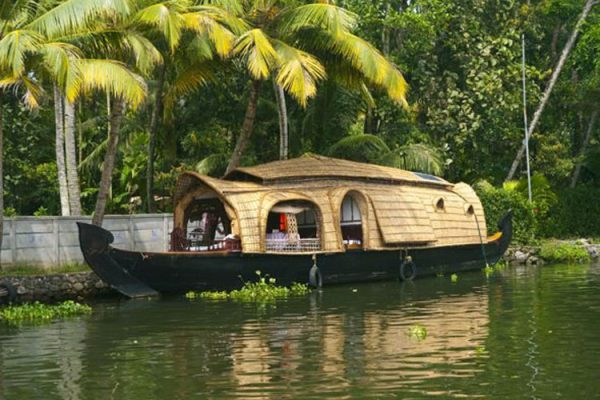
Who else is on this list?
Kerala’s neighbours on the list aren’t random spots. They include places like:
- Marrakech
- Crete
- Bali
- Tokyo
- Rome
- Istanbul
- Paris
- Sicily
- Lisbon
- Amalfi Coast
- Kruger National Park
- Patagonia-style wilderness destinations
These are places known for clear identity, strong experience design, and predictable comfort. Kerala didn’t sneak in by luck. It earned a seat among destinations that know exactly what they offer—and deliver it consistently.
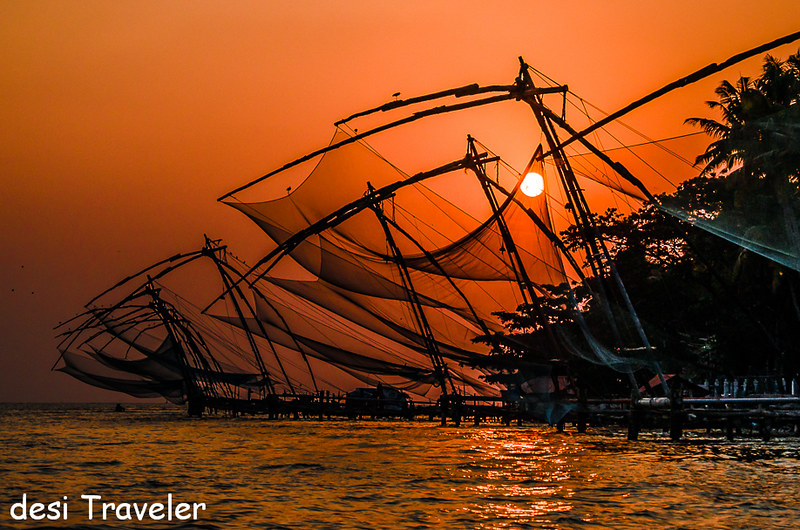
Why Kerala made it
Kerala offers something global travellers are desperately seeking right now:
Calm without boredom.
Culture without chaos.
Nature without exhaustion.
In one state, a traveller can experience:
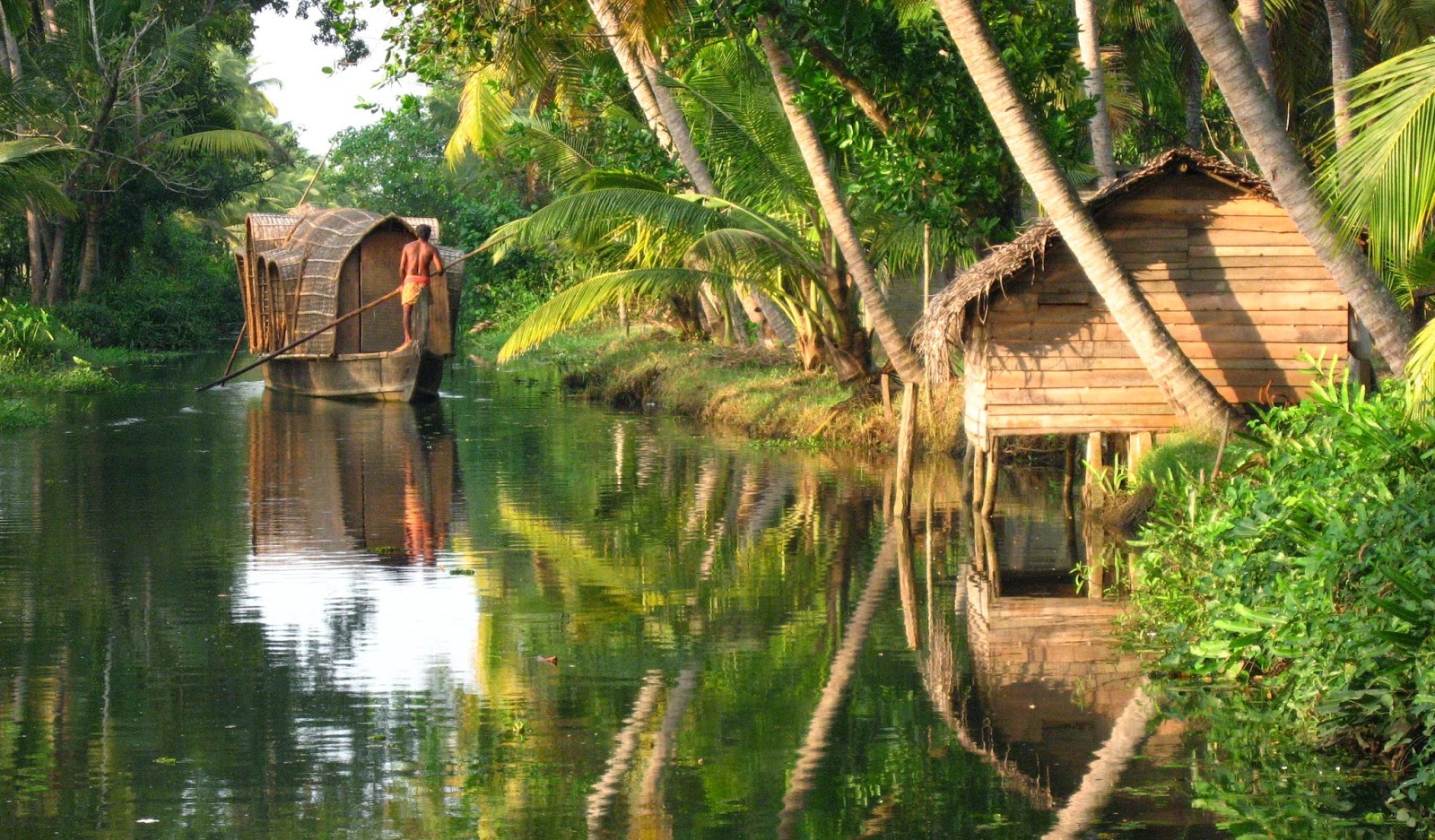
- peaceful backwaters
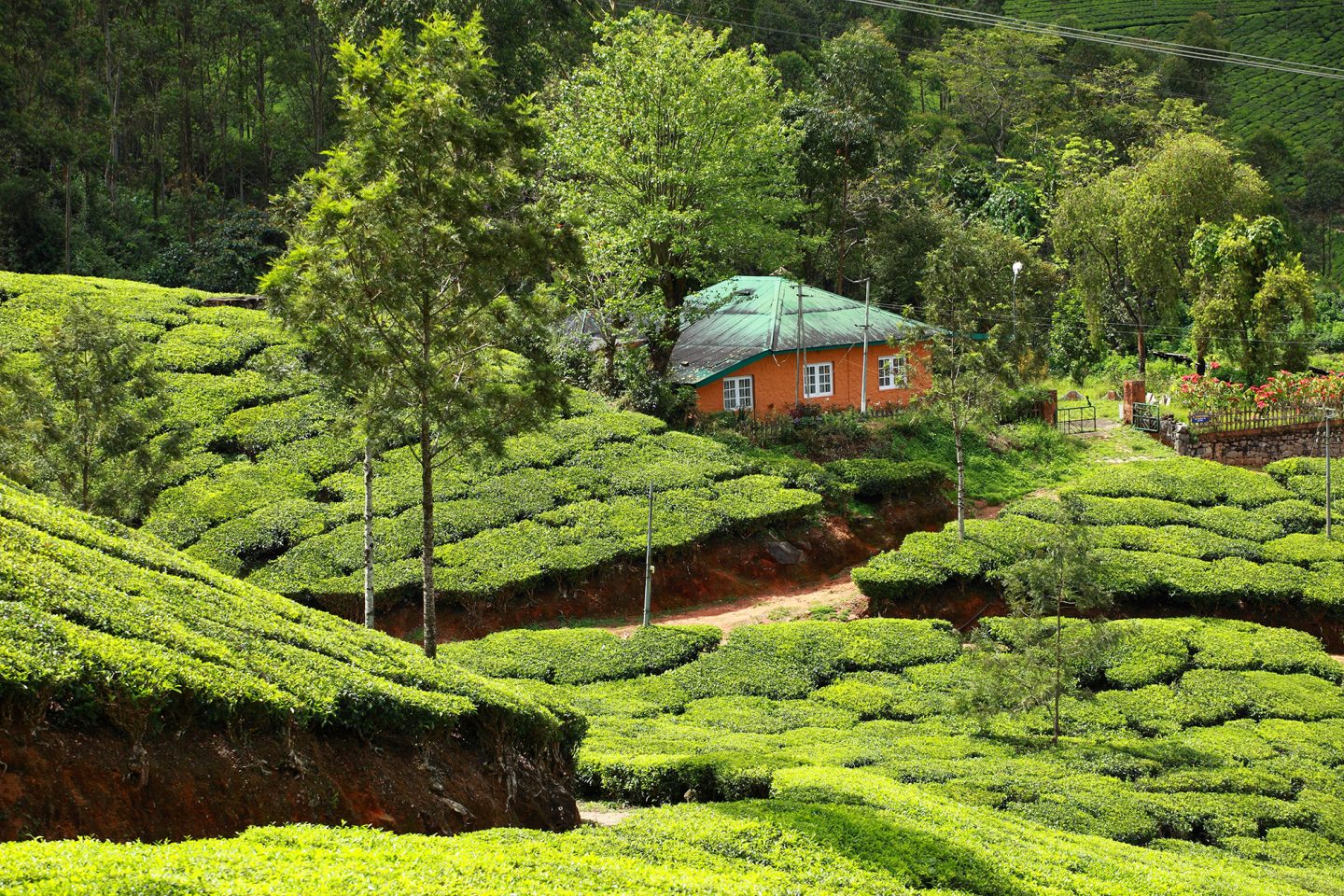
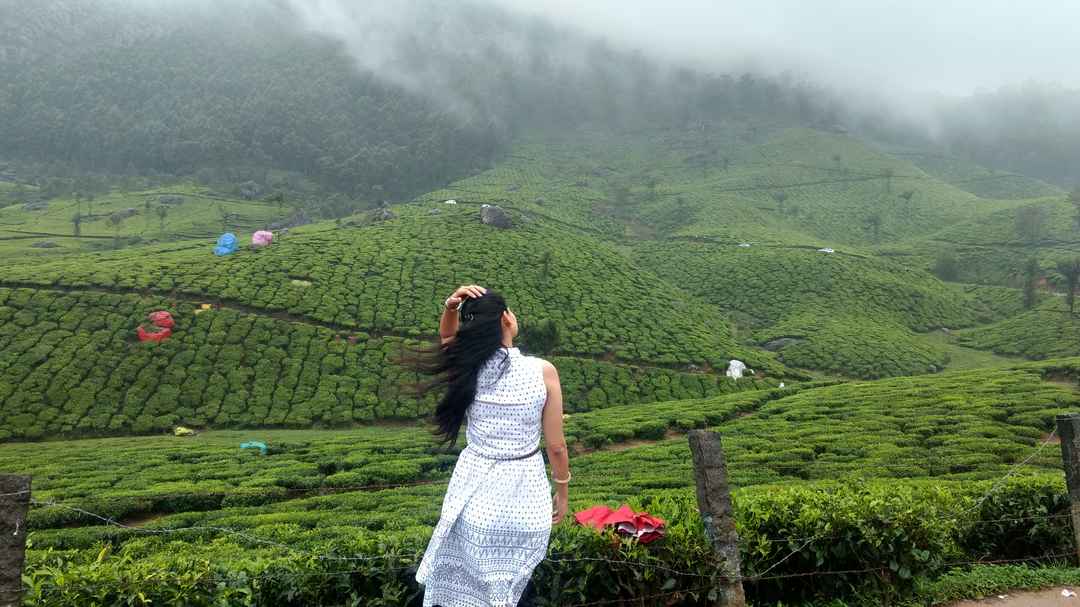
- misty hill stations
- clean beaches
- wildlife reserves
- ancient martial arts
- living temple traditions
- food that feels both indulgent and comforting
- wellness that isn’t fake or flashy
But the real secret?
Kerala doesn’t feel like a place where tourists are tolerated.
It feels like a place where travel fits into daily life.
That matters more than monuments.
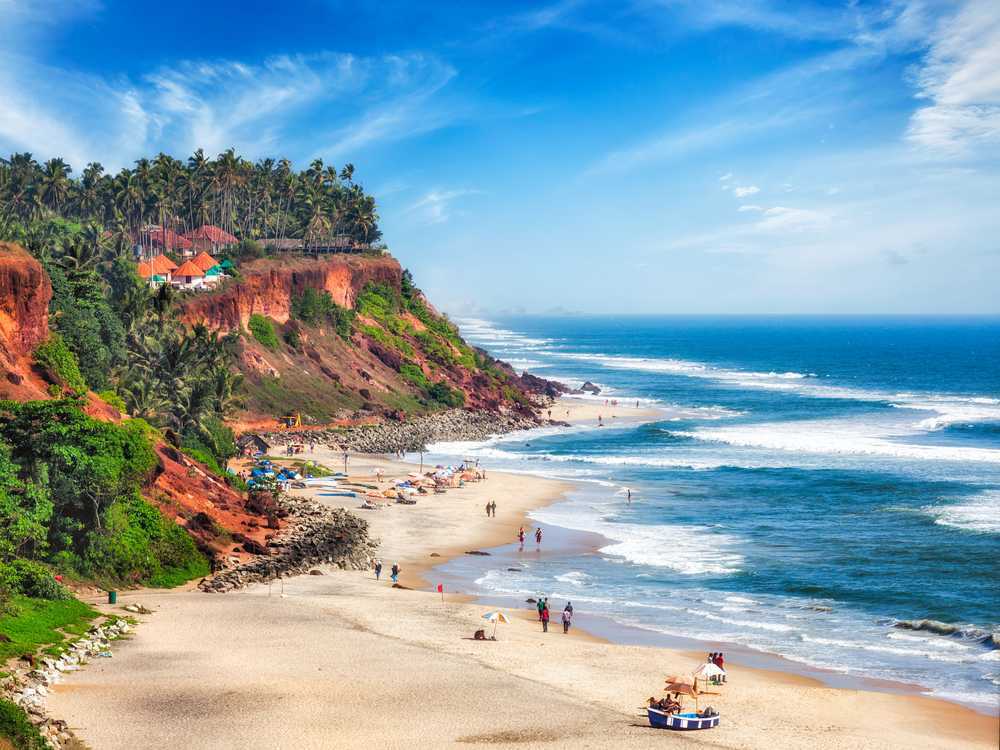
The big reason Kerala stands alone from India
Let’s be brutally honest.
India has extraordinary destinations. But many of them punish the traveller.
What goes wrong elsewhere:
- overcrowding without control
- inconsistent pricing
- poor waste management
- harassment masked as “hospitality”
- broken last-mile infrastructure
- dirty public spaces that go viral for the wrong reasons
A place can be beautiful and still exhausting.
Kerala, by comparison, feels predictable. And for international travellers, predictability is not boring—it’s reassuring.
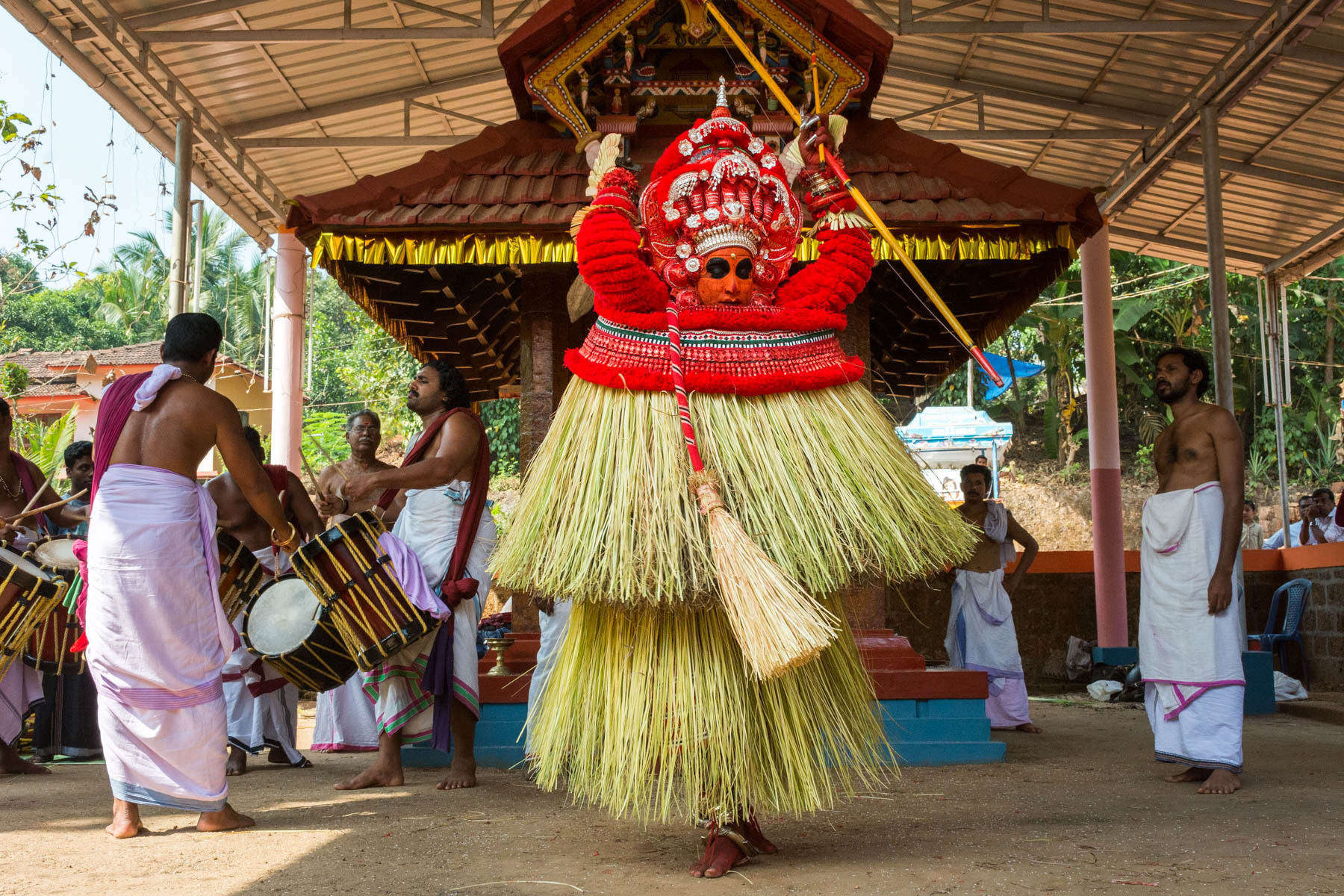
Kerala sells a story, not a checklist
Most Indian tourism campaigns scream:
“Look how much we have!”
Kerala quietly says:
“Here’s how your days will feel.”
Backwater mornings.
Hill-station evenings.
Slow meals.
Human-scale distances.
That flow matters. Travellers today don’t want to “cover” a place. They want to live inside it for a few days.
Kerala gets that instinctively.
The global travel shift that favoured Kerala
Travel in 2026 is leaning towards:
- slow travel
- fewer destinations per trip
- nature and wellness
- authentic local experiences
- sustainability (or at least the feeling of it)
Kerala didn’t have to reinvent itself for this trend.
It was already built that way.
That’s why it didn’t just attract attention—it attracted intent.

The hard truth for the rest of India
India doesn’t have a marketing problem.
India has an experience consistency problem.
Tourism today is not about how incredible your history is. It’s about:
- how clean your streets are
- how safe a solo traveller feels
- how transparent your pricing is
- how well you protect locals from exploitation
- how well you protect nature from tourism itself
Kerala isn’t perfect. But it’s closer to “trustworthy travel” than most Indian destinations.
That’s the real difference.
A warning for Kerala itself
Being on a global list is dangerous.
Because success attracts crowds.
Crowds attract shortcuts.
Shortcuts destroy what made the place special.
Kerala’s biggest risks now:
- backwaters becoming polluted motorways
- hill stations turning into traffic jams with views
- culture reduced to stage shows
- locals pushed out while tourists get “premium Kerala”
If Kerala wants to stay relevant:
- cap numbers in fragile zones
- enforce waste laws without mercy
- protect culture from becoming cosplay
- ensure tourism money reaches local communities
Otherwise, it risks becoming another beautiful place people stop recommending.
One uncomfortable lesson for India
Kerala didn’t make this list because it shouted louder.
Kerala made this list because it made travel feel human again.
If other Indian states want global recognition, the lesson is simple and brutal:
Stop selling “Incredible India”.
Start delivering Reliable India.
Beauty attracts attention.
Trust attracts bookings.
Kerala earned both.
Comments

Hi, I’m Nishanth Muraleedharan (also known as Nishani)—an IT engineer turned internet entrepreneur with 25+ years in the textile industry. As the Founder & CEO of "DMZ International Imports & Exports" and President & Chairperson of the "Save Handloom Foundation", I’m committed to reviving India’s handloom heritage by empowering artisans through sustainable practices and advanced technologies like Blockchain, AI, AR & VR. I write what I love to read—thought-provoking, purposeful, and rooted in impact. nishani.in is not just a blog — it's a mark, a sign, a symbol, an impression of the naked truth. Like what you read? Buy me a chai and keep the ideas brewing. ☕💭 For advertising on any of our platforms, WhatsApp me on : +91-91-0950-0950 or email me @ support@dmzinternational.com