
When Home Gets Wheels — And Life Finally Breathes

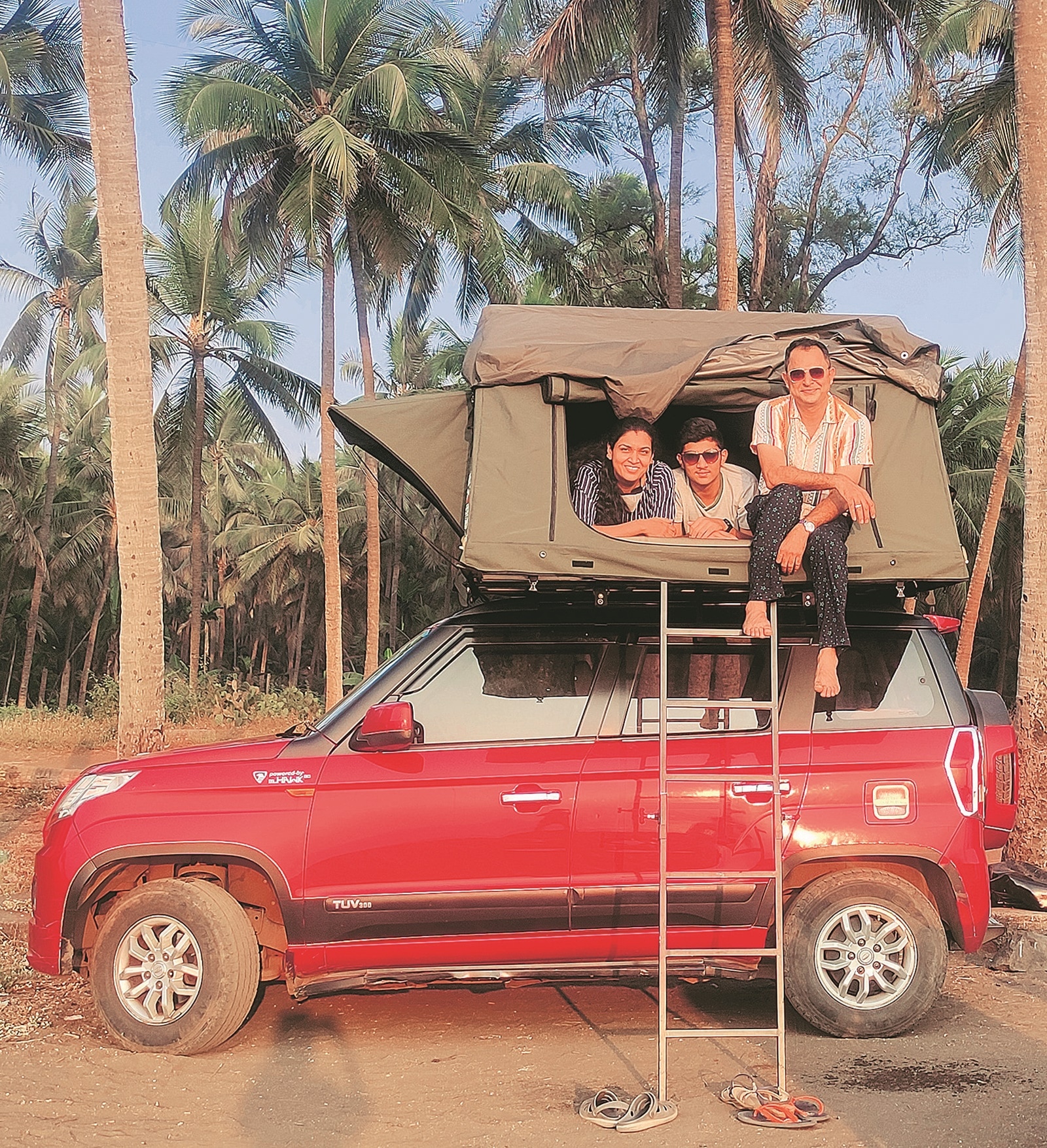
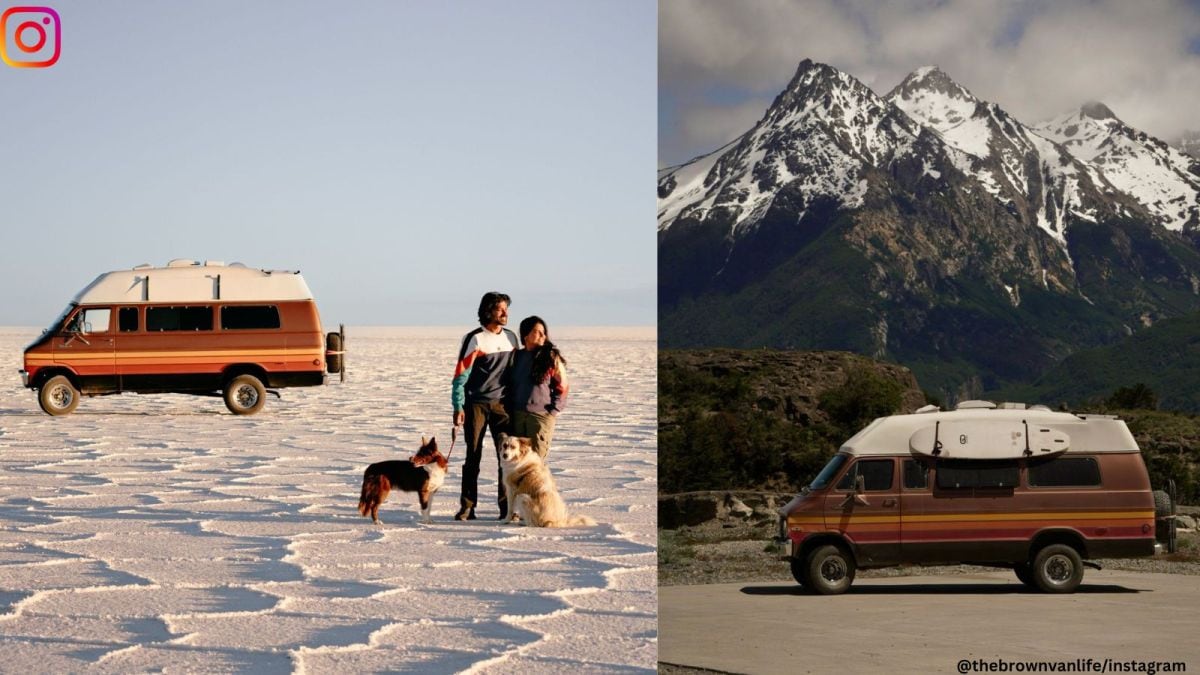
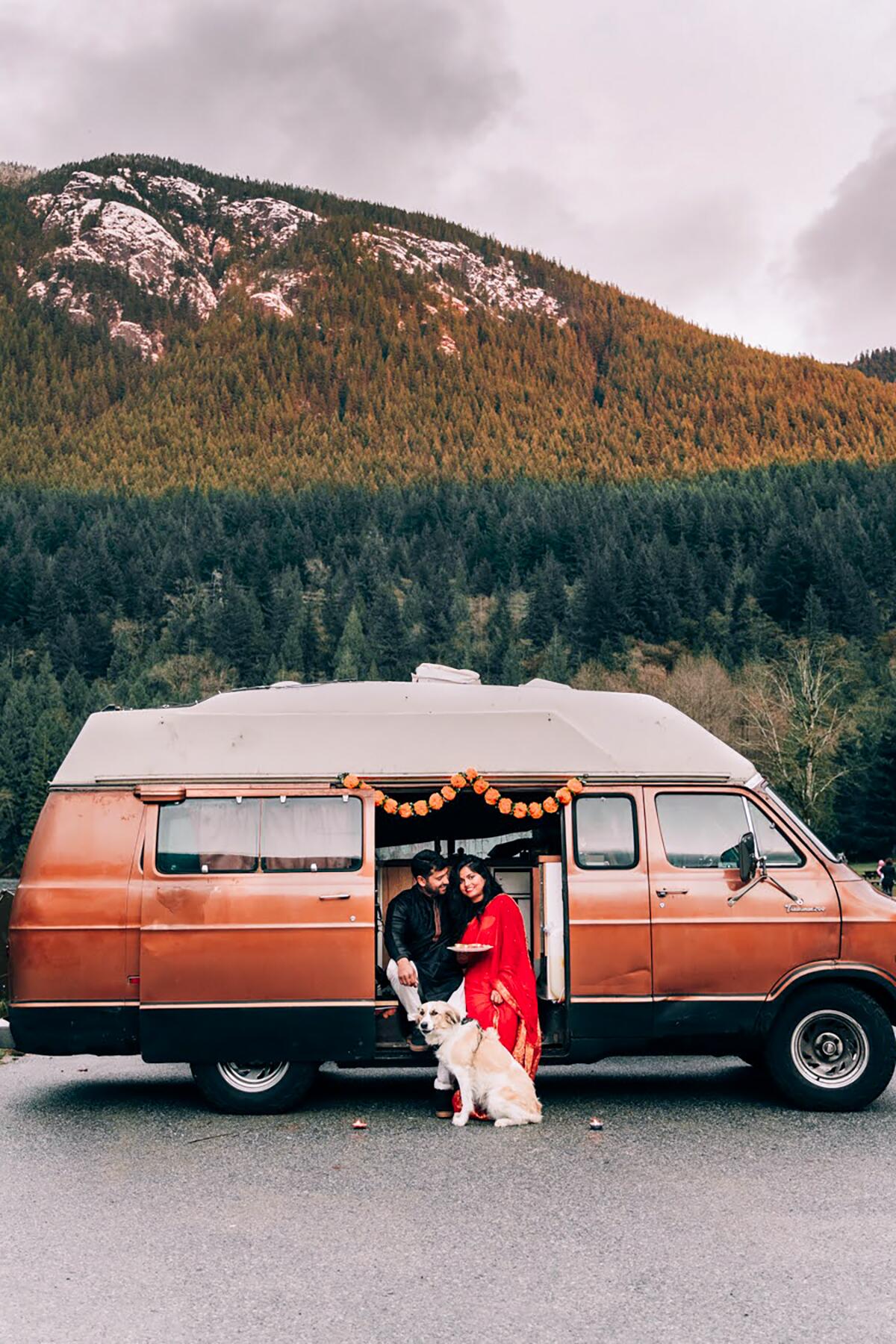
There was a time when Indians travelled with fear packed tighter than their luggage.
Fear of hotel availability.
Fear of food.
Fear of toilets.
Fear of getting stuck somewhere unknown with no Plan B.
So we postponed the dream. “After retirement.”
“After kids grow up.”
“After this job stops haunting my sleep.”
And then—quietly, stubbornly—that dream grew wheels.
Today, India is watching a slow but unstoppable shift. Caravans. Camper vans. Motorhomes. DIY builds. Solo travellers. Couples unplugging. Gen Z saying, “Enough, we’ll figure it out on the road.” YouTube is flooded with people who stopped waiting for permission to live.
Not imported fantasies. Indian-made freedom.
Caravan vs Motorhome — Let’s Clear the Confusion First

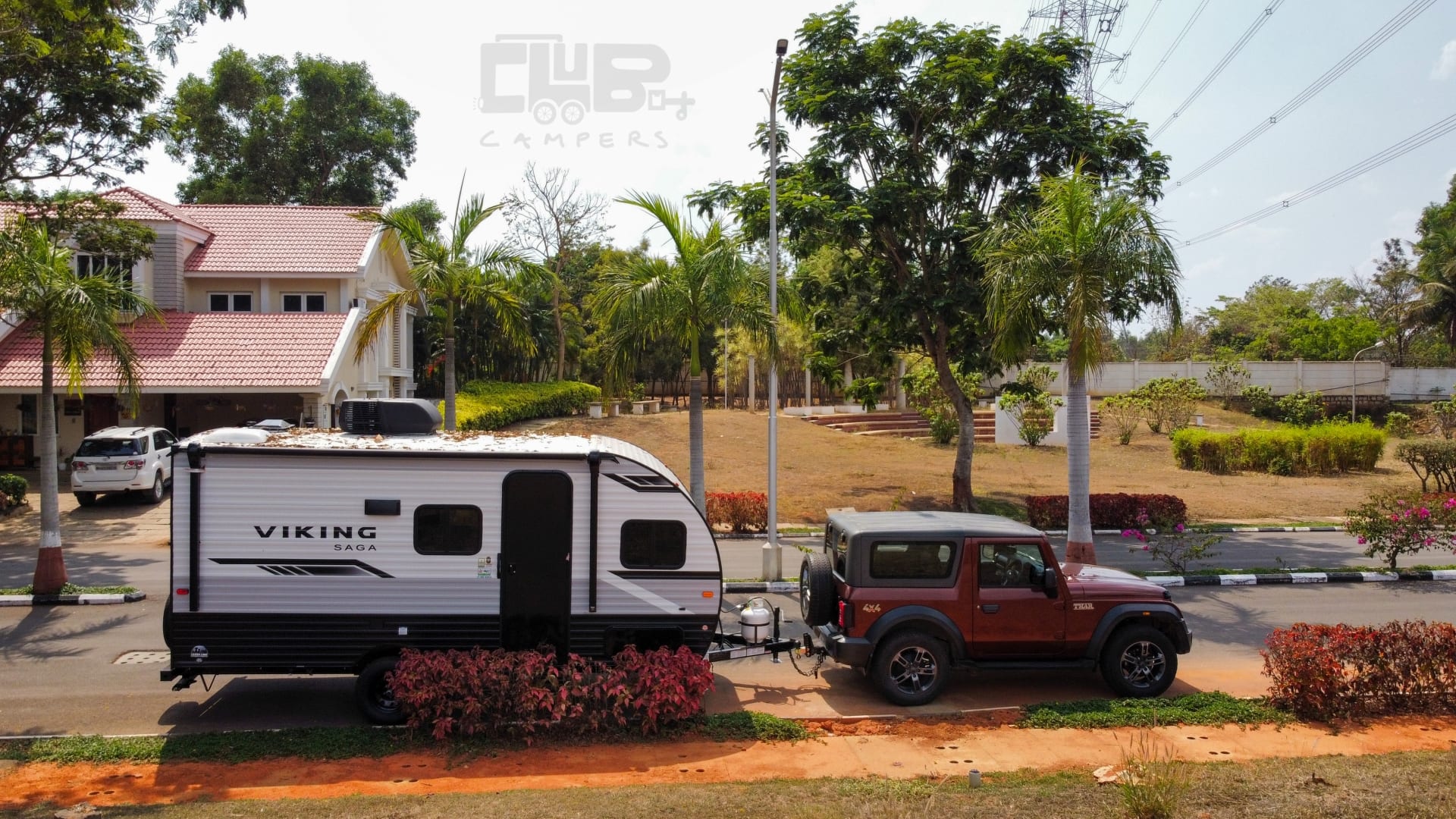
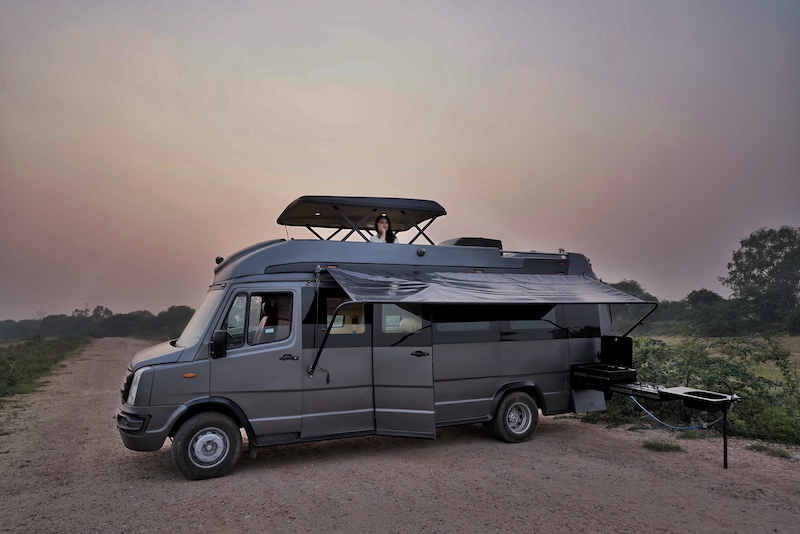
Motorhome
- Engine + living space = one unit
- You drive your home
- Easier to maneuver in Indian roads
- Ideal for solo travellers & couples
Caravan (Trailer)
- No engine, towed by a vehicle
- Park it, detach, drive freely
- Needs stronger towing vehicles
- Slightly tricky on narrow roads
Indian reality check: Motorhomes win here. Traffic, villages, ghats, chai breaks every 20 km—India isn’t Europe, and that’s okay.
The Man Who Started Before It Was “Cool”
Before algorithms romanticized #VanLife, Dhruv quietly converted a small MUV into a motorhome and hit the road—alone. No templates. No influencer roadmap. Just stubborn belief.
( For a deeper understanding of his work, watch the video at the end of this blog )
Fast forward to now:
- Multiple workshops
- Custom-built caravans & camper vans
- Clients travelling India to London
- International road journeys on Indian-built motorhomes
That’s not a business story. That’s cultural shift engineering.
He didn’t sell vehicles.
He sold exit routes from chaos.
Vehicles Indians Are Turning Into Rolling Homes

1️⃣ Maruti Eeco
- Budget: ₹2–5 lakhs conversion
- Best for: Solo / minimalist couples
- Pros: Cheap, easy maintenance, city-friendly
- Cons: Limited space, no standing height
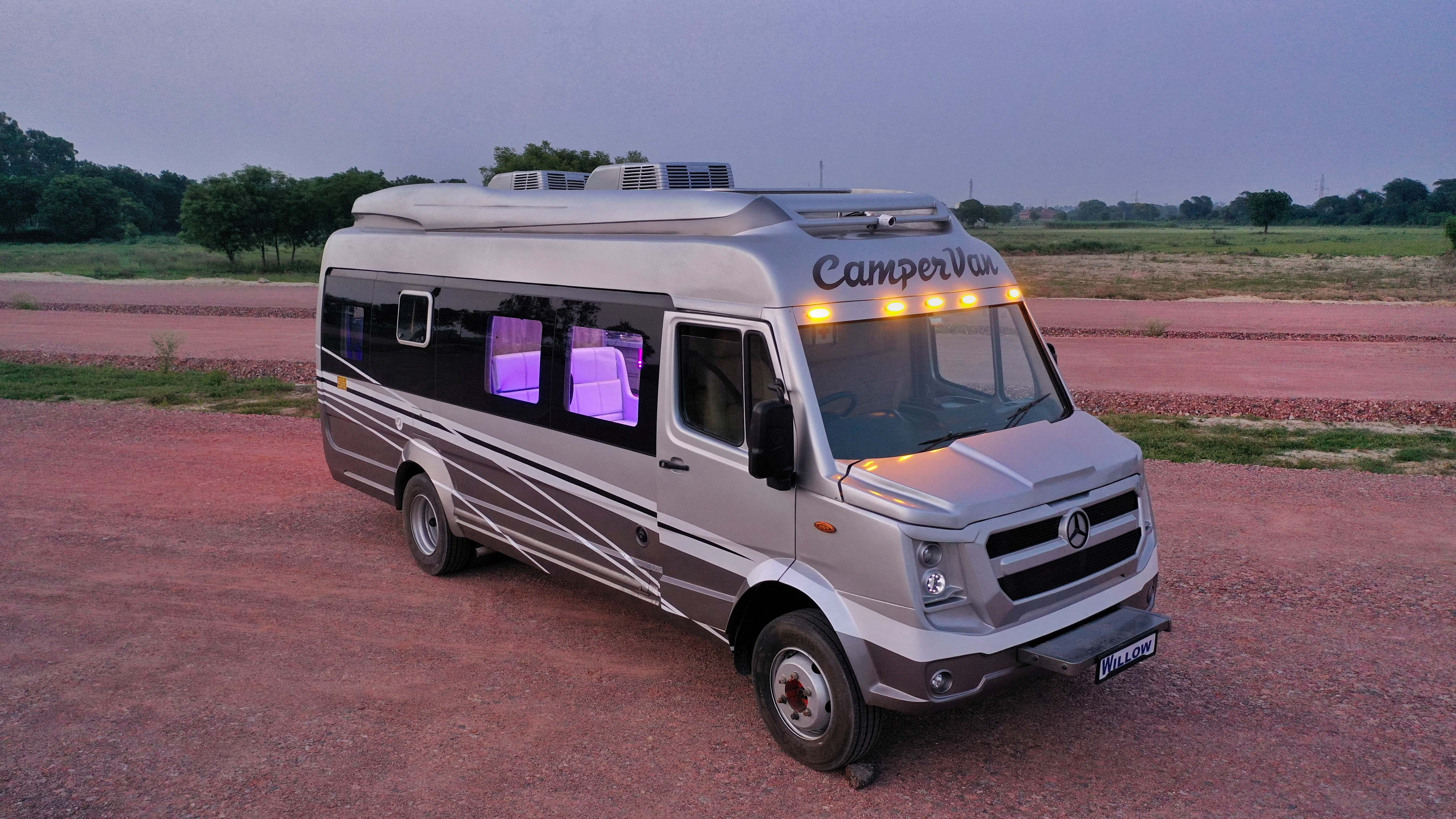
2️⃣ Tempo Traveller
- Budget: ₹8–15 lakhs
- Best for: Families, long stays
- Pros: Space, comfort, reliability
- Cons: Parking, fuel cost, city congestion
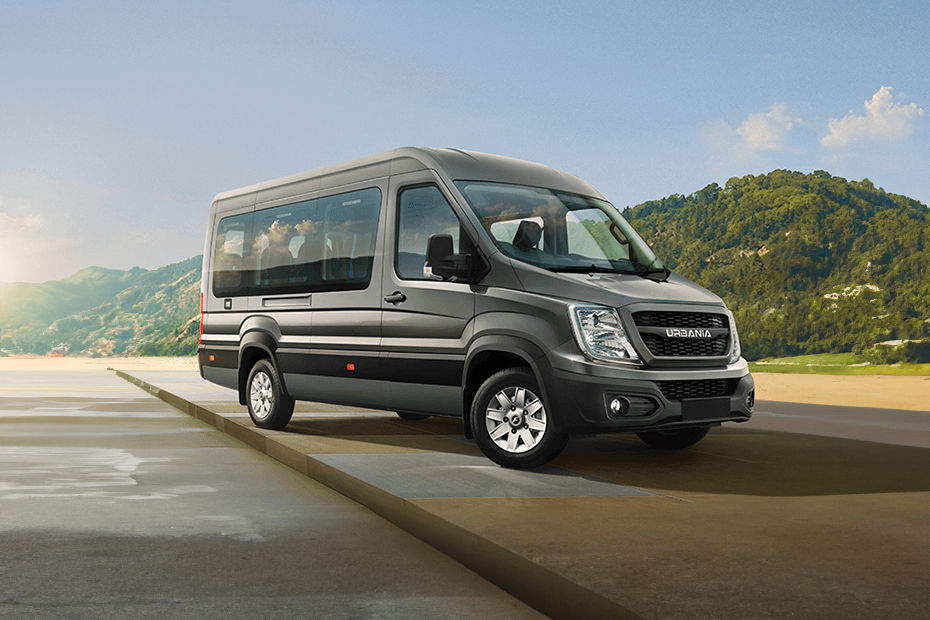
3️⃣ Force Urbania
- Budget: ₹15–25 lakhs
- Best for: Premium road life
- Pros: Modern design, smooth drive
- Cons: Expensive repairs
4️⃣ Tata Winger
- Budget: ₹10–18 lakhs
- Best for: Balanced living
- Pros: Fuel efficiency, flat floor
- Cons: Limited off-road capability
Pickup Trucks: Where Adventure Gets Serious

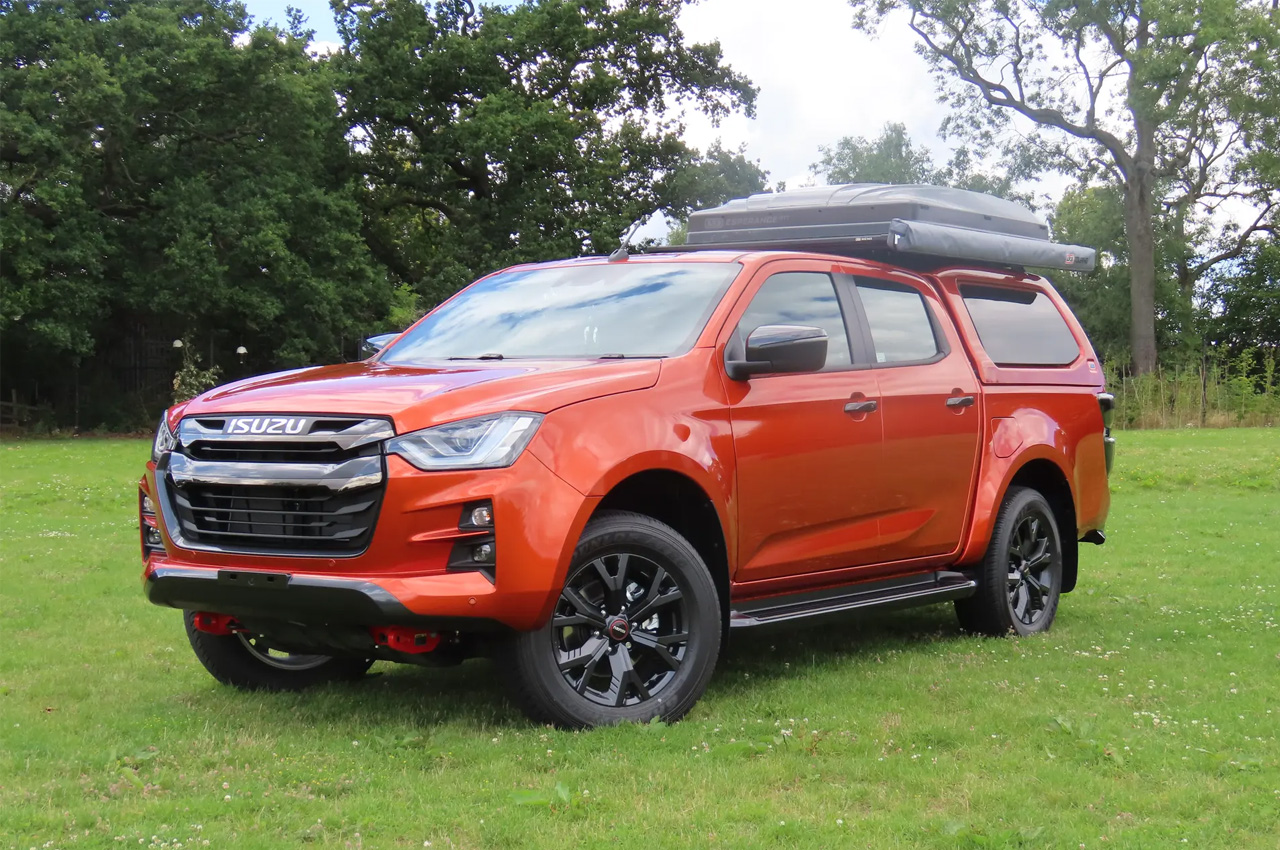

🚙 Tata Yodha / Mahindra Pickup
- Budget: ₹8–15 lakhs
- Pros: Tough, affordable
- Cons: Ride comfort
🚙 Isuzu V-Cross
- Budget: ₹15–25 lakhs
- Pros: Off-road king
- Cons: Parts cost
👑 Toyota Hilux
- Budget: ₹25–40+ lakhs
- Pros: Reliability, global touring
- Cons: Wallet trauma
What You Actually Get Inside (And Why It Matters)
This isn’t luxury—it’s dignity.
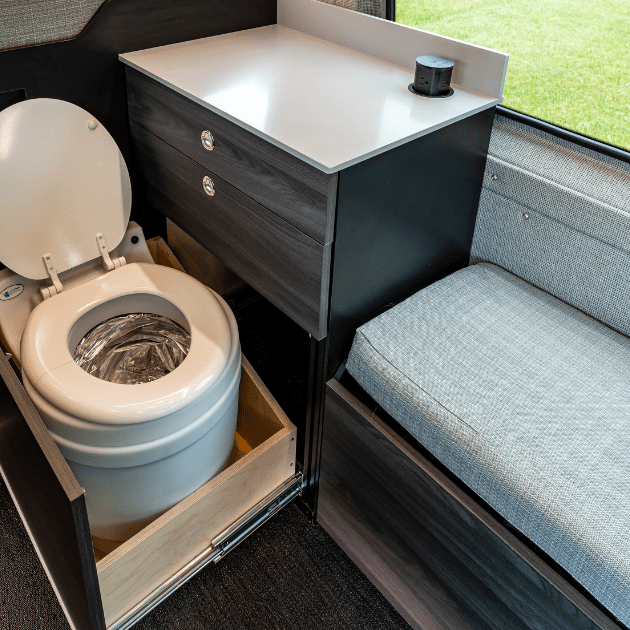
- Built-in toilet 🚽
- Kitchen & storage
- Bed, power, water
- No panic when traffic jams hit
- No hunting for “decent washrooms”
- No hotel check-in deadlines
Nature calls?
You answer.
Then continue your journey like nothing happened.
That’s freedom, Indian edition.
States That Finally Got the Memo

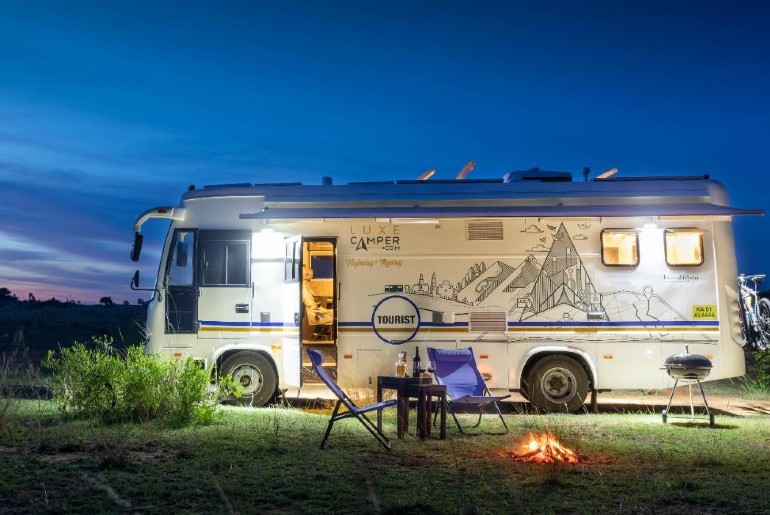

- Kerala – Caravan parks, rentals, coastal routes
- Karnataka – Eco-tourism support
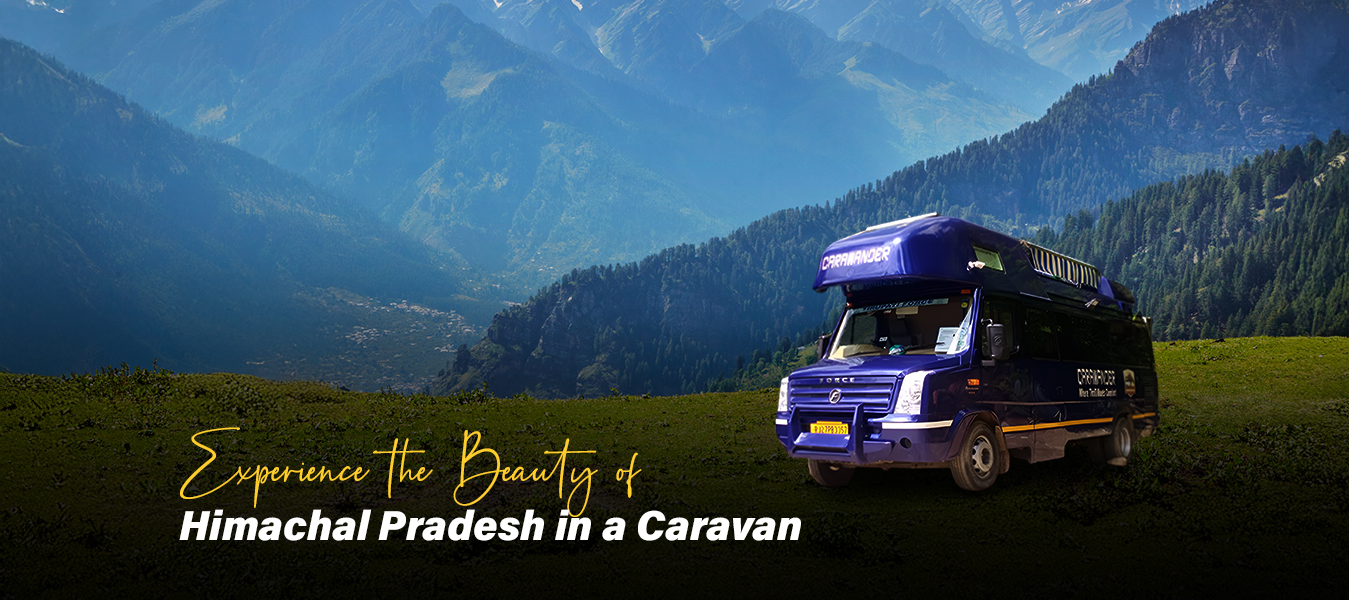
- Himachal Pradesh – Mountain circuits
- Rajasthan – Desert trails & heritage routes
Governments are finally realising:
People don’t want hotels.
They want control.
Why This Movement Isn’t a Trend — It’s a Rebellion
This isn’t about travel content.
It’s about escaping:
- Job anxiety
- Calendar slavery
- Concrete fatigue
- “Someday” syndrome
Gen Z isn’t waiting to retire.
Couples aren’t waiting for permission.
Families are redefining “home.”
India isn’t just travelling anymore.
India is unlearning fear.
Final Thought: Your House Doesn’t Need a Foundation. It Needs Courage.
One day, you’ll realise:
- The road doesn’t ask for resumes
- Mountains don’t care about EMIs
- Silence doesn’t judge your past
Your caravan won’t solve life.
But it will finally give you space to breathe while figuring it out.
And maybe—just maybe—
the real destination was never a place.
It was peace.
Comments

Hi, I’m Nishanth Muraleedharan (also known as Nishani)—an IT engineer turned internet entrepreneur with 25+ years in the textile industry. As the Founder & CEO of "DMZ International Imports & Exports" and President & Chairperson of the "Save Handloom Foundation", I’m committed to reviving India’s handloom heritage by empowering artisans through sustainable practices and advanced technologies like Blockchain, AI, AR & VR. I write what I love to read—thought-provoking, purposeful, and rooted in impact. nishani.in is not just a blog — it's a mark, a sign, a symbol, an impression of the naked truth. Like what you read? Buy me a chai and keep the ideas brewing. ☕💭 For advertising on any of our platforms, WhatsApp me on : +91-91-0950-0950 or email me @ support@dmzinternational.com