
Join Shenaz on a Healing Journey Through Ayurveda at Arya Vaidya Sala, Kottakkal, Kerala
There are hospitals. There are spas. And then there is Kottakkal.
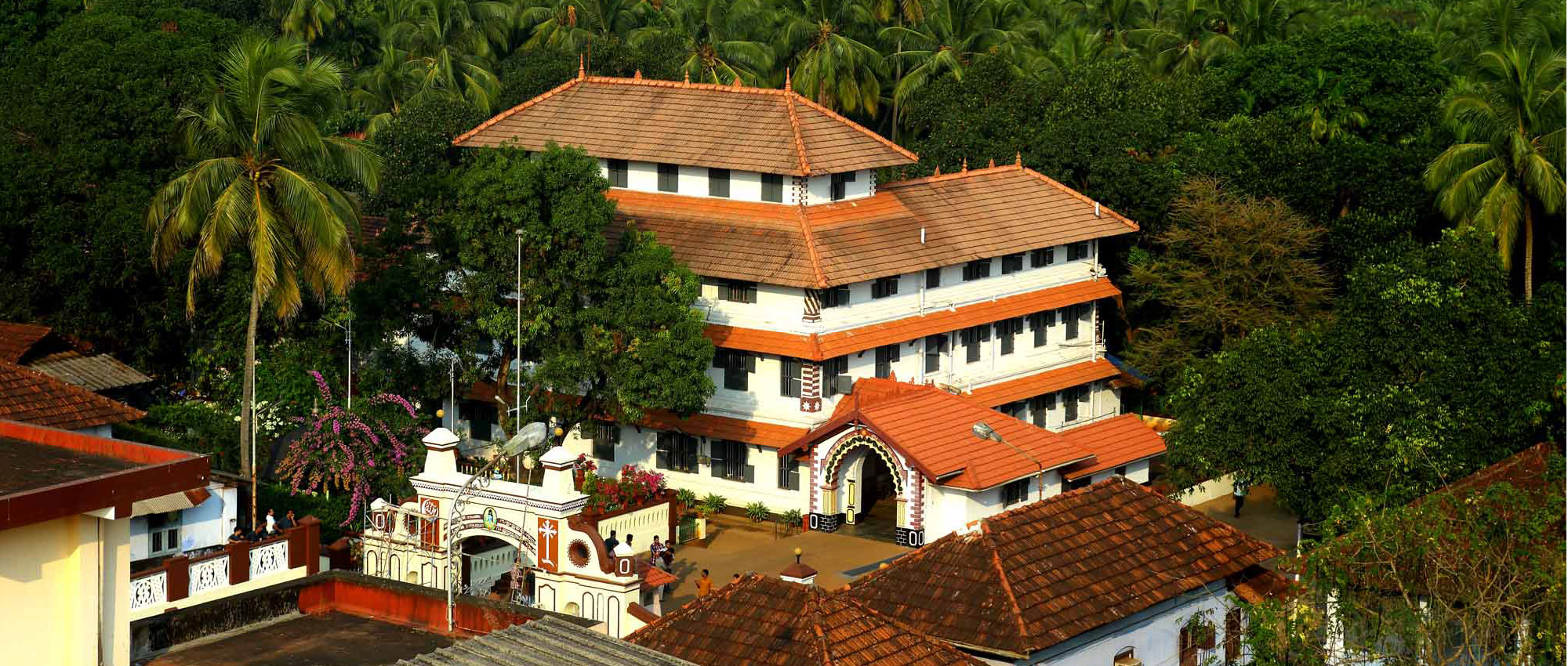
If you really want to understand why Ayurveda and Kerala are almost spoken in the same breath, you need to walk into Arya Vaidya Sala at Kottakkal. This is not a luxury wellness resort. This is a century-old institution where tradition still walks with discipline.
How Old Is Ayurveda Really?
Ayurveda is not a trend. It is one of the world’s oldest medical systems, dating back over 3,000 to 5,000 years. Its foundational texts—Charaka Samhita, Sushruta Samhita, and Ashtanga Hridayam—were written in ancient India, describing surgery, internal medicine, detoxification, diet, and preventive health long before modern hospitals existed.
The word “Ayurveda” comes from Sanskrit:
Ayur = life
Veda = knowledge
So it literally means “the science of life.”
But here’s where it gets interesting.
While Ayurveda originated across the Indian subcontinent, it survived in its most classical, disciplined form in Kerala.
Why Does Ayurveda Mean Kerala?

Kerala is often called “God’s Own Country.” Not just for tourism branding—but because nature here is medicinal.
- Abundant rainfall
- Lush forests
- Rare medicinal plants
- Coconut oil as a base medium
- Strong lineage-based physician families
During periods when Ayurveda declined in other regions due to invasions and colonial shifts, Kerala preserved it within traditional households known as Ashta Vaidya families. Treatments evolved uniquely here, especially oil-based therapies suited to the humid climate.
Kerala didn’t just practice Ayurveda. It refined it.
The Birth of Arya Vaidya Sala, Kottakkal
Vaidyaratnam P. S. Varier founded Arya Vaidya Sala in 1902. His mission was clear:
Preserve authentic Ayurveda. Standardize medicines. Make treatment accessible.
From a small clinic, it grew into:
- A renowned hospital
- A medicine manufacturing unit
- A research center
- An educational institution
Today, Kottakkal is not just a town. It is a global reference point for classical Ayurveda.
The Healing Experience
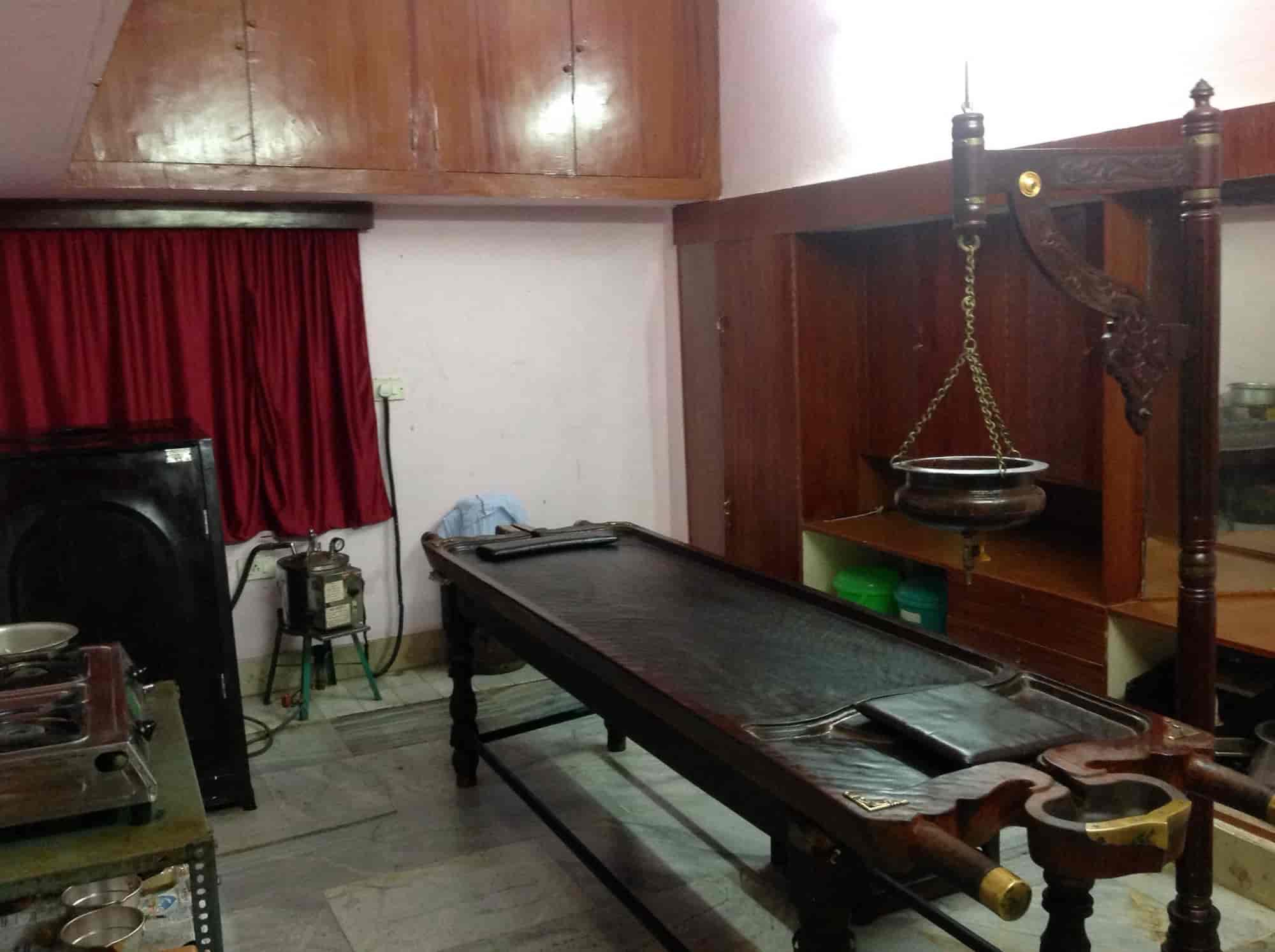
When Shenaz underwent treatment for hormonal imbalance, joint pain, and inflammation, it wasn’t a quick massage-and-go routine. It was structured therapy.
Let’s break down some of the major treatments:
1. Eight-Hands Massage (Ashta Hasta Abhyangam)
Imagine synchronized therapy by four therapists using medicated oils tailored to your body type. It’s intense, rhythmic, and deeply detoxifying. This is not relaxation—it’s recalibration.
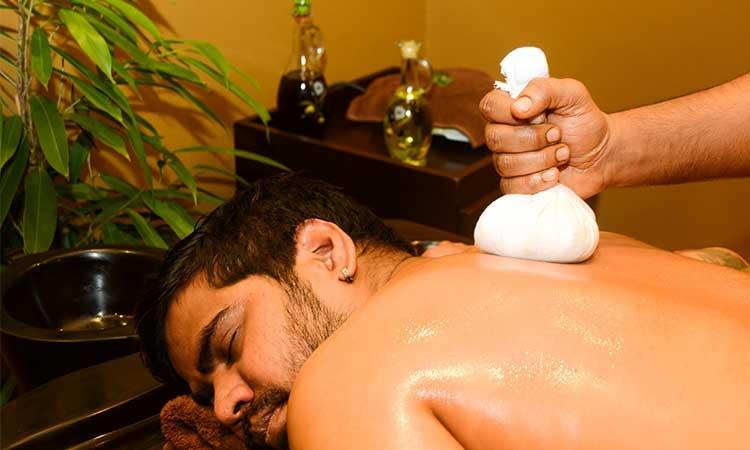
2. Njavarakizhi (Rice Potli Massage)
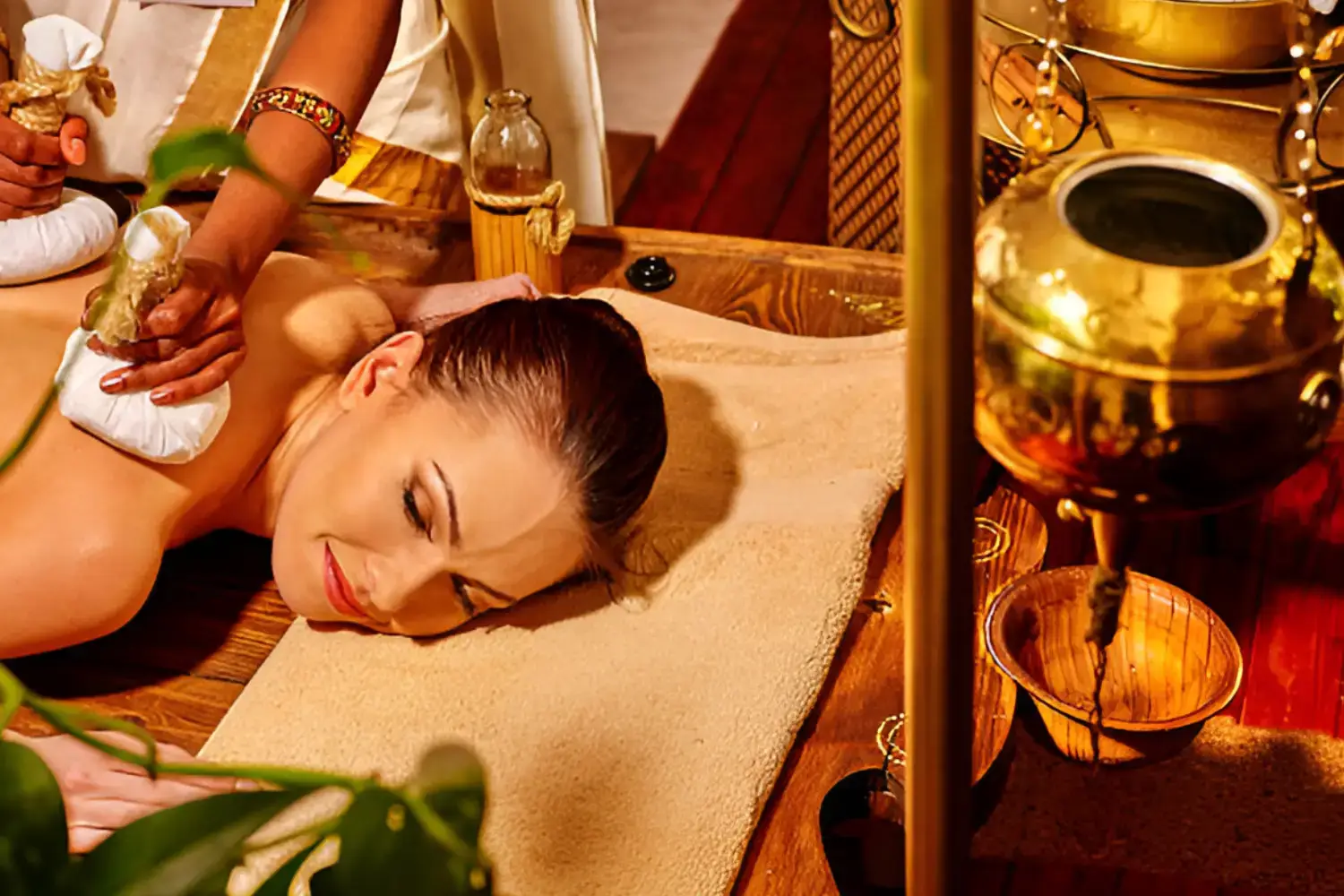
Special medicinal rice cooked in herbal decoctions and milk, tied into boluses, and applied warm across the body. It strengthens muscles, nourishes tissues, and helps in degenerative conditions.
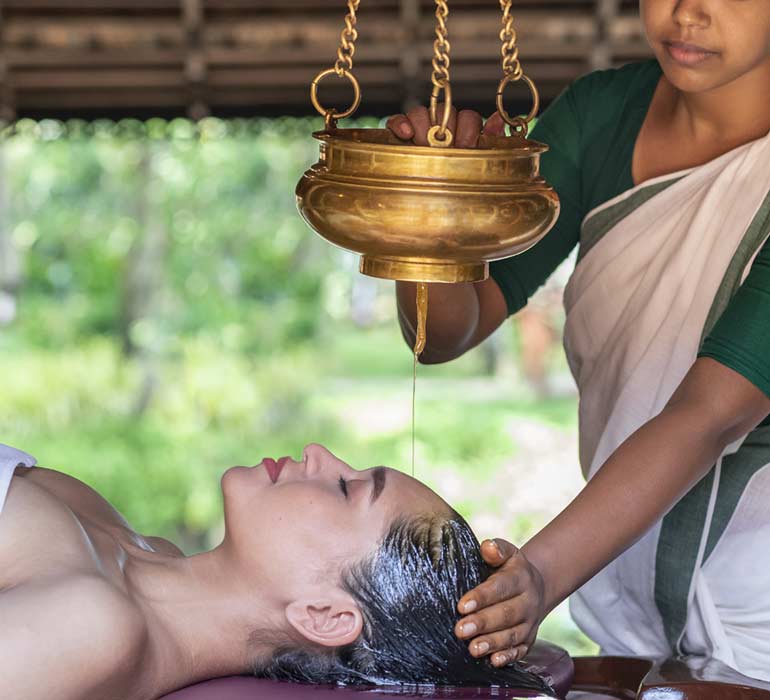
3. Shirodhara (Cold Milk Therapy in Certain Cases)
A steady stream of medicated liquid poured on the forehead. For hormonal imbalance, anxiety, insomnia, and nervous system disorders, this therapy works on the hypothalamus indirectly through deep relaxation.
4. Bandage Therapy (Kati or Joint Bandaging)
Herbal pastes applied and wrapped over affected joints to reduce inflammation and stiffness.
These are not spa indulgences. They are medical prescriptions.
The Ayurvedic Diagnosis: Vata, Pitta, Kapha
At Kottakkal, doctors don’t start with a scan. They start with pulse reading.
Ayurveda classifies individuals into three primary doshas:
- Vata – air & space (movement, nerves)
- Pitta – fire & water (metabolism, digestion)
- Kapha – earth & water (structure, immunity)
Disease begins when these go out of balance.
Instead of suppressing symptoms, Ayurveda asks:
Why did the imbalance happen?
Lifestyle. Diet. Stress. Climate. Sleep.
Modern medicine treats the effect. Ayurveda often targets the root.
Inside the Herbal Kitchens
Walking into their medicine preparation units feels like stepping into a living laboratory. Oils bubble in large vessels. Decoctions simmer for hours. Powders are ground traditionally.
Unlike chemical pharmaceuticals, most formulations are plant-based, sometimes mineral-based, prepared according to ancient ratios. And yes, standardization today follows strict quality protocols.
This is not folklore. It is regulated classical medicine.
How Far Has Kerala Ayurveda Spread?
Kerala Ayurveda is no longer confined to India.
Today:
- Ayurvedic centers operate across Europe, the US, the Middle East, and Southeast Asia.
- Panchakarma retreats attract global patients.
- Medical tourism in Kerala is significantly driven by Ayurveda.
- Kerala government actively promotes Ayurveda as part of its health tourism sector.
Institutions like Arya Vaidya Sala export medicines worldwide.
But here’s the paradox.
The West now pays thousands of dollars for treatments that originated in Indian villages.
Major Treatments Practiced in Kottakkal Today
- Panchakarma (5-step detoxification therapy)
- Virechana (therapeutic purgation)
- Vasti (medicated enema therapy)
- Nasya (nasal detoxification)
- Raktamokshana (bloodletting in specific cases)
- Abhyanga (oil massage)
- Elakizhi (leaf bolus therapy)
- Thalapothichil (herbal paste on head)
Conditions treated include:
- Arthritis
- Hormonal imbalance
- PCOS
- Autoimmune disorders
- Stress and anxiety
- Neurological disorders
- Skin diseases
- Lifestyle diseases like diabetes
Is Ayurveda Relevant Today?
Let’s be honest.
Ayurveda will not replace emergency surgery. It won’t fix a fractured bone instantly.
But in a world drowning in chronic inflammation, stress disorders, metabolic diseases, and burnout—Ayurveda offers something modern life forgot: balance.
It forces you to slow down.
To eat consciously.
To sleep properly.
To live seasonally.
Kerala didn’t just preserve Ayurveda. It protected a philosophy of living.
And in a hyper-speed digital age, maybe that ancient wisdom isn’t outdated.
Maybe it’s exactly what we need.
If healing had a postal code, it might just be Kottakkal.
Comments

Hi, I’m Nishanth Muraleedharan (also known as Nishani)—an IT engineer turned internet entrepreneur with 25+ years in the textile industry. As the Founder & CEO of "DMZ International Imports & Exports" and President & Chairperson of the "Save Handloom Foundation", I’m committed to reviving India’s handloom heritage by empowering artisans through sustainable practices and advanced technologies like Blockchain, AI, AR & VR. I write what I love to read—thought-provoking, purposeful, and rooted in impact. nishani.in is not just a blog — it's a mark, a sign, a symbol, an impression of the naked truth. Like what you read? Buy me a chai and keep the ideas brewing. ☕💭 For advertising on any of our platforms, WhatsApp me on : +91-91-0950-0950 or email me @ support@dmzinternational.com