Why Maids and Home Cooks May Slowly Disappear from Indian Homes
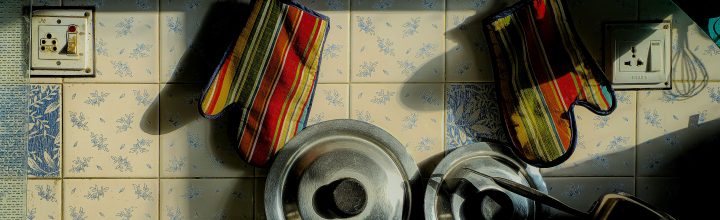
For decades, Indian urban households have depended on a familiar system: a maid arrives in the morning, cleans the house, washes vessels, perhaps does some laundry, and leaves. A cook comes once or twice a day, prepares meals and goes home.
That model is now beginning to break.
The reason is not that domestic workers have suddenly become unwilling to work. The economics of their work are changing.
In India’s metros, a new generation of domestic-service platforms such as Urban Company, Snabbit and similar services is turning traditionally unorganised household work into flexible, shift-based employment. And that could fundamentally change how Indians get their homes cleaned and meals cooked.
The ₹1,000-a-Day Question
Consider a domestic worker who wants to earn around ₹1,000 a day.
Under the traditional model, working for one household could mean spending most of the day tied to that home. Travelling to the house, waiting for the family, doing multiple chores and staying available for several hours can make the job effectively a 9–10 hour commitment.
Now compare that with a platform model.
A worker can potentially take multiple shorter assignments in different homes, work during the hours she chooses and stop when she has earned enough for the day.
That flexibility is enormously powerful.
Why would someone spend the entire day attached to one household when she can potentially complete several jobs, earn similar or better money and still retain control over her time?
This is the real disruption.
From “Maid” to Professional Service Worker
Platforms are doing something that the traditional domestic-work market never managed to do properly: they are converting an informal occupation into a service industry.
Instead of saying:
“I work as a maid in this house.”
The worker increasingly becomes:
“I provide home-cleaning services through a platform.”
That difference is bigger than it sounds.
The platform can provide customer acquisition, scheduling, payments, ratings, repeat customers and a standardised service experience.
For workers, this can mean more flexibility.
For customers, it means they don’t necessarily need to employ someone for an entire day.
They can simply book cleaning for the time they actually need.
And once customers become accustomed to this model, the traditional arrangement becomes increasingly difficult to justify.
And Now Comes the Cook
Cleaning is only the beginning.
If the same platform model successfully moves into cooking, the traditional home cook could face exactly the same disruption.
Imagine a family that doesn’t need a cook from 7 AM to 3 PM.
They may only need someone for 60–90 minutes to prepare lunch.
Why employ a full-time or part-time cook when they can simply book a trained cook for the required period?
The worker can complete one cooking assignment, move to another nearby home and potentially complete several assignments in a day.
This could create a completely new category:
“Cooking as a service.”
Just as people stopped employing full-time drivers when app-based taxis became convenient, urban households may gradually stop employing permanent domestic cooks when on-demand cooking becomes reliable and affordable.
The Same Story Is Happening to Male Labour
There is another major shift happening in India’s informal workforce.
Many men who previously depended on factory jobs, construction, loading, small workshops or daily-wage labour are moving towards delivery platforms.
The reason is simple: availability and flexibility.
A traditional factory or labour job may offer limited wages, irregular employment or long working hours. A daily-wage worker can also face days without work.
Delivery work, despite its own difficulties, offers something fundamentally different: an individual can log in, work when demand exists and potentially earn more than traditional informal employment in some markets.
For a worker comparing a low-paying factory job with uncertain daily labour against a flexible gig job that can potentially generate ₹15,000–₹20,000 or more a month, the decision becomes understandable.
This isn’t necessarily about workers becoming “lazy”.
They are responding rationally to the incentives available to them.
India’s Domestic Workforce Is Becoming a Gig Workforce
This is the bigger story.
India’s enormous informal workforce is slowly being reorganised around platforms.
Drivers became app-based.
Delivery workers became app-based.
Cleaning workers are becoming app-based.
And cooking could follow.
The traditional model depended on workers sacrificing flexibility in exchange for predictable household employment.
The new model says:
Work when you want. Take the assignment you want. Leave when the job is finished.
For a younger generation of workers, that proposition may be much more attractive.
Will Maids and Cooks Really Disappear?
Not completely.
There will always be households that prefer a familiar person who knows the family, children, routines and preferences.
But the traditional full-day domestic worker may become increasingly difficult to find in India’s metros.
The biggest change may happen quietly.
First, one family cannot find a maid.
Then another.
Then another.
Eventually, people stop asking:
“Where can I find a maid?”
and start asking:
“Which app can clean my house tomorrow morning?”
The same transformation could happen with cooking.
And when that happens, India’s domestic workforce won’t necessarily have disappeared.
It will have changed its form.
The maid may become a cleaning professional.
The cook may become an on-demand culinary worker.
The labourer may become a gig worker.
And the household employee may become a service provider.
That is the real future of India’s domestic-work economy—and it may arrive much faster than most urban families expect.
Comments

Hi, I’m Nishanth Muraleedharan (also known as Nishani)—an IT engineer turned internet entrepreneur with 25+ years in the textile industry. As the Founder & CEO of "DMZ International Imports & Exports" and President & Chairperson of the "Save Handloom Foundation", I’m committed to reviving India’s handloom heritage by empowering artisans through sustainable practices and advanced technologies like Blockchain, AI, AR & VR. I write what I love to read—thought-provoking, purposeful, and rooted in impact. nishani.in is not just a blog — it's a mark, a sign, a symbol, an impression of the naked truth. Like what you read? Buy me a chai and keep the ideas brewing. ☕💭 For advertising on any of our platforms, WhatsApp me on : +91-91-0950-0950 or email me @ support@dmzinternational.com