
Many e-commerce players have tried this before and failed. Will Meesho succeed?
Every three years, a new but well-funded e-commerce startup challenges the duopoly of Flipkart and Amazon India. Snapdeal made a run at it in 2015, Paytm Mall in 2018, and it’s Meesho in 2021.
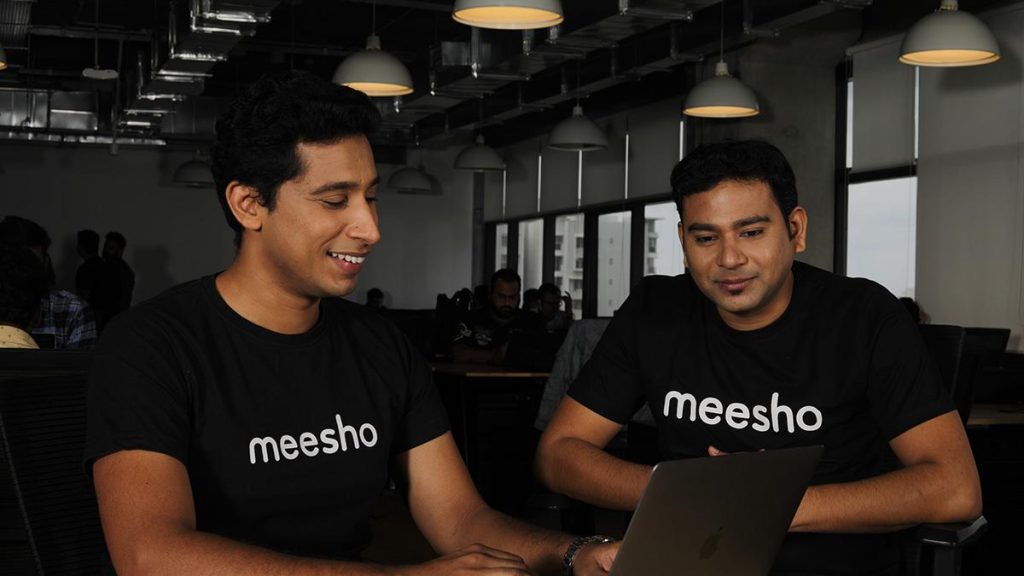
Access to capital was not a problem for Snapdeal and Paytm Mall as they were backed by Chinese e-commerce giant Alibaba and Japan’s SoftBank. Meesho is also incidentally backed by SoftBank besides Prosus and Facebook. All are eyeing the same target audience — mass Indian consumers who prefer affordability to convenience and shop for a variety of low-value items.
Though the pool of consumers and the seller base have widened over the past two to three years, especially after the Covid-19 pandemic, the nature of the industry’s struggles has not changed. In the long-tail goods category, for instance, monetising sellers, product returns, high logistics costs and fraud continue to trouble players.
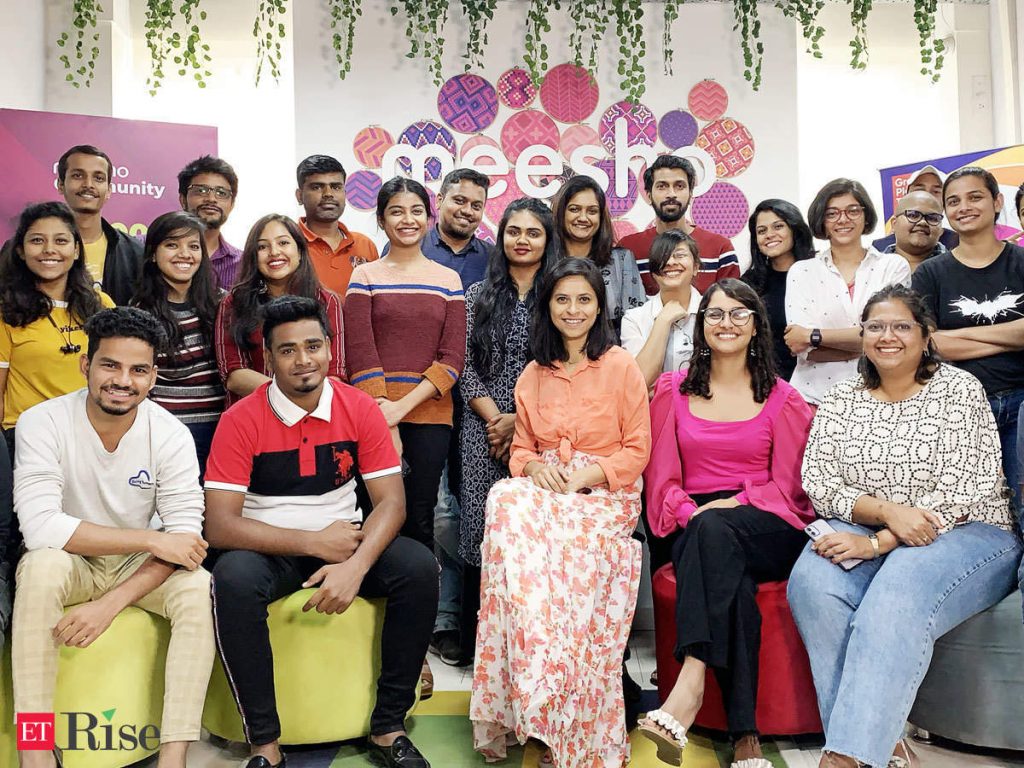
Meesho, however, is going all out, expending significant amounts to acquire and retain sellers and customers. The efforts to entrench itself in the market have coincided with the festive season, one of e-commerce’s most important months.
Investors are betting on the team’s razor-sharp focus on this segment to repeat the success of platforms like China’s Pinduoduo, which is profitable and has emerged as a strong competitor to older e-commerce platforms in that market, including Alibaba and JD.

This was not always Meesho’s business model. The company started off as a platform for resellers to source goods from wholesalers. The resellers offered the merchandise to potential customers through WhatsApp and Facebook, negotiated the price and returned to the Meesho app to place the order with the wholesaler.
No holding inventory, no burden of logistics or payments. Just punch in an address and leave it to the wholesaler to ship the product to the customer.
But after raising $300 million from SoftBank in April, Meesho made a major shift, choosing to undercut the reseller and reach the consumer directly.
In September, Meesho announced raising $570 million at a valuation of $4.9 billion, taking its overall fundraising to $1 billion. The new capital was secured largely on the promise of Meesho being a branded e-commerce marketplace that sells directly to consumers.
A billion dollars is a lot of capital at Meesho’s disposal, considering the latest developments in the industry. Flipkart is cleaning up its losses in the lead-up to a public offering and Amazon is busy fighting legal and regulatory battles in the country.
Courtesy: Aditi Shrivastava
Comments

Hi, I’m Nishanth Muraleedharan (also known as Nishani)—an IT engineer turned internet entrepreneur with 25+ years in the textile industry. As the Founder & CEO of "DMZ International Imports & Exports" and President & Chairperson of the "Save Handloom Foundation", I’m committed to reviving India’s handloom heritage by empowering artisans through sustainable practices and advanced technologies like Blockchain, AI, AR & VR. I write what I love to read—thought-provoking, purposeful, and rooted in impact. nishani.in is not just a blog — it's a mark, a sign, a symbol, an impression of the naked truth. Like what you read? Buy me a chai and keep the ideas brewing. ☕💭 For advertising on any of our platforms, WhatsApp me on : +91-91-0950-0950 or email me @ support@dmzinternational.com