Founder Impostor Syndrome Never Goes Away
“Is there some point at which I feel like I’m actually qualified to be a startup Founder? It seems like everywhere I turn I’m constantly reminded that there’s something I don’t know or somewhere I’m falling short. When do I feel like I’ve got this thing figured out?”

The way to get rid of Founder Impostor Syndrome is to just be a wildly successful Founder… right?
Actually no — and it surprisingly gets worse over time.
Founder Impostor Syndrome is what we feel when we think we’re not truly qualified or capable of being a successful startup Founder. We second guess all of our decisions and outcomes because we have an endless stream of more successful Founders to compare ourselves to.
What we fail to realize is that no matter what we achieve, we never lose the feeling of being “less than qualified” we simply convert it to something else where we feel just as insecure.
Here’s how it tends to happen.
We all Start as Freshman
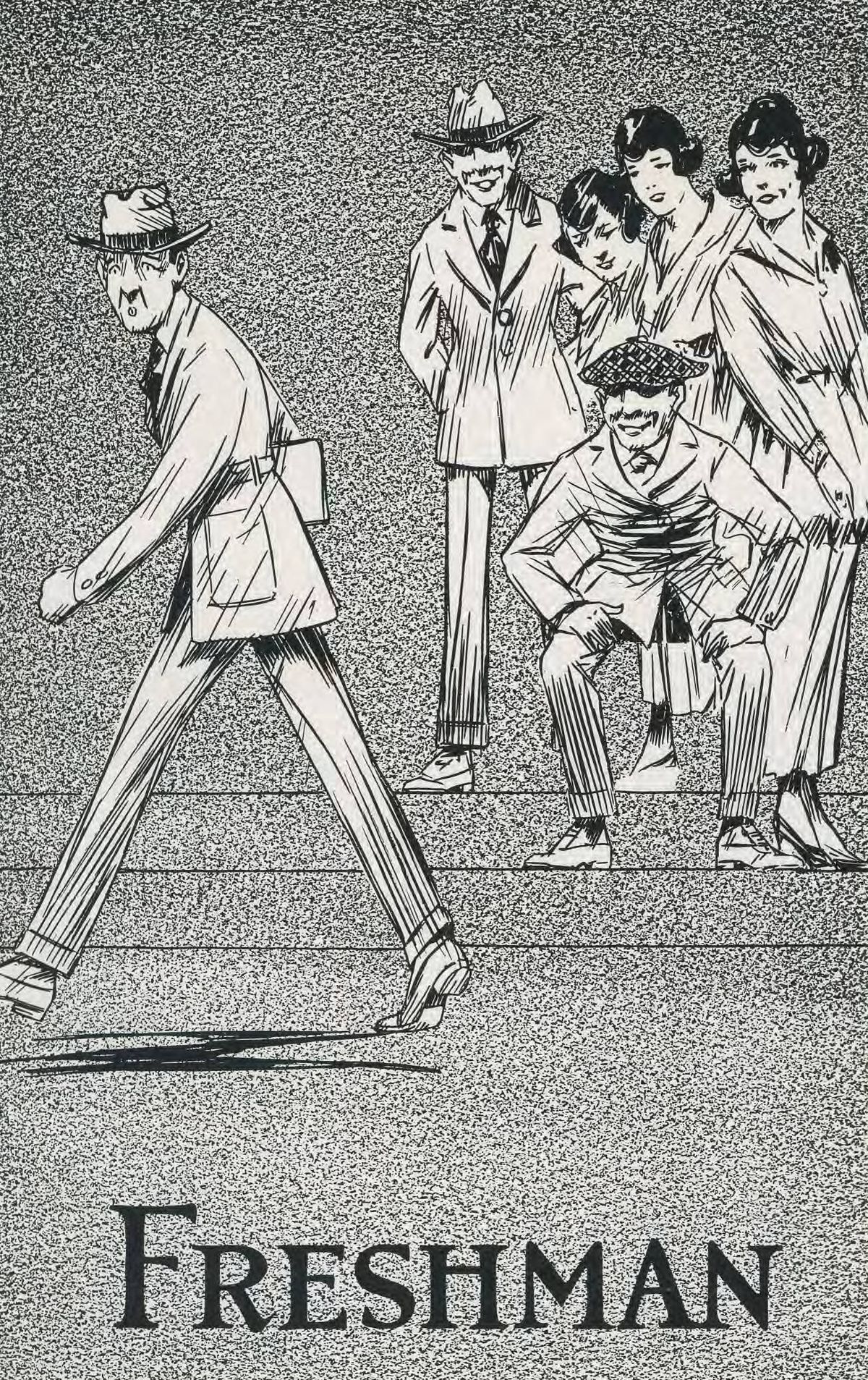
Launching our startup is like showing up on the first day of High School as a dorky freshman . At this point, we’re creating a product or system or service that has never been built, in a market that doesn’t yet exist, with a team that just came together 5 minutes ago. What about that combination should give us tons of confidence?
It then gets much worse. We start having to pretend to be competent in subjects we’ve never heard of. “Oh, you don’t know if the LTV or your product will fit the TAM you’re targeting in your proformas?” (If that was a foreign language then I rest my case. And yes, you need to know what that stuff means.)
The loan-to-value (LTV) ratio is an assessment of lending risk that financial institutions and other lenders examine before approving a mortgage.
The Total Addressable Market (TAM), also referred to as total available market, is the overall revenue opportunity that is available to a product or service
The uncertainty of building something new combined with being overwhelmed by skills we don’t have doesn’t make any of us feel like less of an impostor. It can’t. We start in a position where we are fundamentally unable to be certain, which prevents us from feeling confident. The only thing is, we don’t realize it’s just us.
Eventually We Become Seniors

The one ray of hope here is that over some period of time, we’ll move from panicky freshmen to confident seniors strutting the halls of entrepreneurship fully rewarded with the fruits of our labor and the certainty of success.
Yes, some of that does kind of sorta happen. After the 20th time of trying to figure out WTF a “Pro Forma Financial Statement” should be, we do figure it out. We plow our way through tons of challenges and we do build a bit of confidence along the way.
Pro forma financial statements are projections of future expenses and revenues, based on a company’s past experience and future plans.
We do find that in time the things that totally boggled our minds are in fact less complicated than we thought they were. We do go to bed at night less stressed about fundraising or customer acquisition, not because it’s easier, but because we finally know what to expect — which is a small relief.
There’s No Graduation, There’s Just More School

What we learn, and this is the part that we don’t expect, is that for every level up we have in one facet of our startup game, we realize how hard it is to get to that next level. If you think you’re feeling inadequate now, wait until you start sitting in rooms of fellow entrepreneurs that are 100x more successful than you.
It’s like getting a perfect score on your college admissions only to find out that there are actually 100 more grades to go before graduation. All of the things that feel so far away from us now are often just a matter of knowledge. But all of the reasons we’re going to feel like an impostor in the future — even when we think we’ve gotten to our Senior Year — have to do with our actual capability.
The only way to cope with any of this is to realize that no one ever truly outlasts Impostor Syndrome in this field. It’s best wrapped up by the master himself, Ernest Hemingway “We are all apprentices in a craft where no one ever becomes a master.”
Courtesy: Will Schroter
Comments

Hi, I’m Nishanth Muraleedharan (also known as Nishani)—an IT engineer turned internet entrepreneur with 25+ years in the textile industry. As the Founder & CEO of "DMZ International Imports & Exports" and President & Chairperson of the "Save Handloom Foundation", I’m committed to reviving India’s handloom heritage by empowering artisans through sustainable practices and advanced technologies like Blockchain, AI, AR & VR. I write what I love to read—thought-provoking, purposeful, and rooted in impact. nishani.in is not just a blog — it's a mark, a sign, a symbol, an impression of the naked truth. Like what you read? Buy me a chai and keep the ideas brewing. ☕💭 For advertising on any of our platforms, WhatsApp me on : +91-91-0950-0950 or email me @ support@dmzinternational.com