
The Green Fashion Movement: Embracing Natural Fibers in India’s Fashion Industry
In recent years, the fashion industry in India has witnessed a significant shift towards sustainability and inclusivity, with a growing emphasis on natural fibers. India, blessed with an abundance of natural resources, including cotton, silk, jute, wool, and linen, holds immense potential for the production of sustainable textiles. This blog explores the evolving fashion landscape in India, highlighting the increasing demand for natural fibers, the rise of ethical fashion and *ESG considerations , the transition from fast fashion to slow fashion, and the sustainable practices being adopted by industry players. Within this context, Handlooom.com emerges as a pioneering Indian fashion brand committed to ethical business practices, offering a 1-year warranty on its authentic handloom products made from natural fibers.
* A company’s ESG disclosures offer more insight into its culture and mission than what an investor might gather from simply reviewing the company’s technical valuations and financial metrics. In essence, ESG disclosures empower investors to invest in organizations that respect or support the issues they care about themselves. For example, Investopedia notes the environmental considerations may address issues like energy consumption, pollution, climate change, waste production, natural resource preservation, and animal welfare; social considerations could include human rights, child and forced labor, community engagement, health and safety, stakeholder relations, and employee relations; and governance considerations might include quality of management, board independence, conflicts of interest, executive compensation, transparency and disclosure, and shareholder rights.
The Shift Towards Natural Products:
India’s fashion industry has witnessed a growing awareness and demand for sustainable and organic fashion. Consumers are increasingly conscious of the environmental and social impact of their purchasing decisions, leading to a perceptible shift towards natural fibers. All brands need to explore the relationship between natural fibers and responsible textile production, the changing buying patterns of consumers, and the benefits of using natural fabrics beyond clothing.
Ethical Fashion and ESG Considerations:
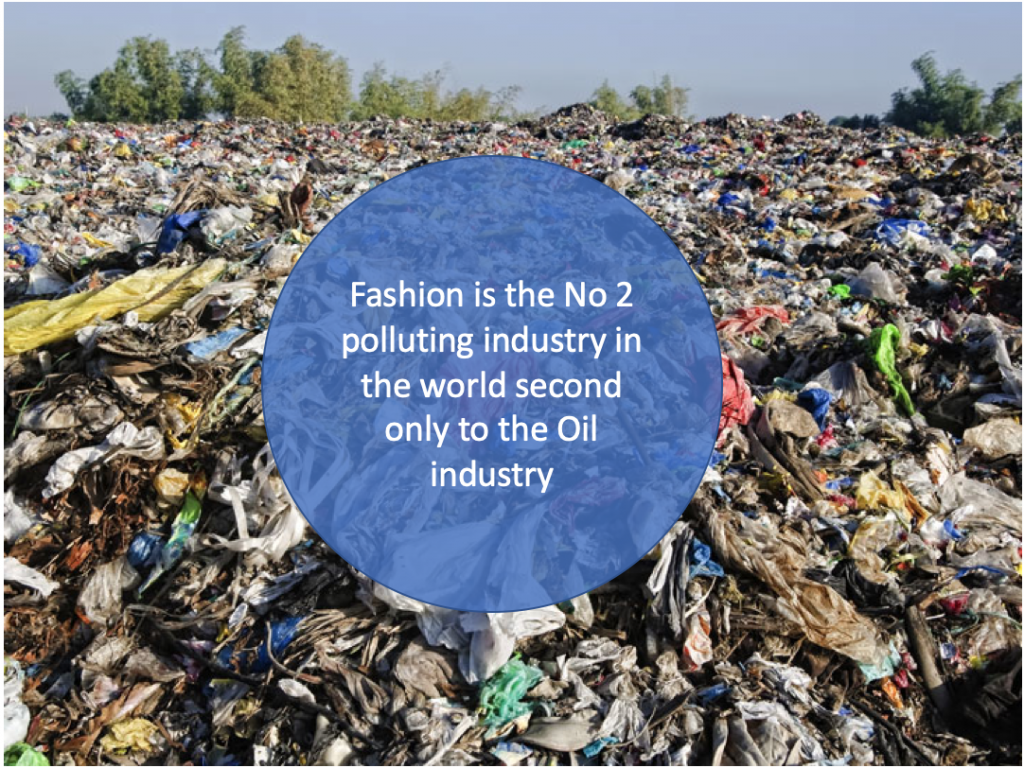
The global ethical fashion market has experienced remarkable growth, driven by environmentally-conscious consumers and the adoption of ESG norms. Brands need to delve into the market size and growth projections of the ethical fashion industry, the concept of designing and manufacturing clothes while considering social and ecological factors, and the significance of ESG compliance for fashion companies. It highlights the potential for natural fibers to align with ethical and sustainable practices.
Fast Fashion vs Slow Fashion:
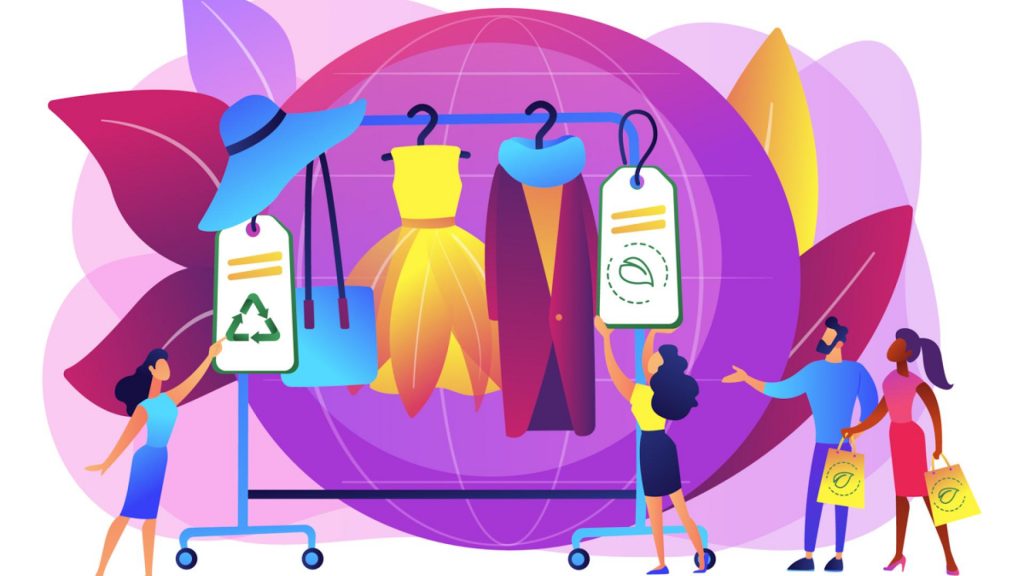
The advent of fast fashion, characterized by the rapid production and disposal of garments, led to the dominance of synthetic fibers and their detrimental impact on the environment. However, there has been a notable shift towards slow fashion, which promotes the use of natural fibers and sustainable manufacturing processes. All fashion brands need to explore the concept of fast fashion, its environmental consequences, and the benefits of slow fashion in terms of carbon neutrality, water management, and job creation.
Sustainable Practices:

To address the challenges posed by the fashion industry’s environmental impact, sustainable practices are crucial. This section focuses on the importance of waste management and recycling in the natural fiber industry. It provides examples of how waste generated during the production of silk yarn can be repurposed for various industries, emphasizing the value and potential of waste by-products. Also highlights the role of end-to-end supply chain solutions in monetizing waste and creating a positive social impact.
Handlooom.com: Pioneering Ethical Fashion with a 1-Year Warranty:

Our Brands Handlooom.com , DMZ International, SaveHandloom.org & yet to be launched Women Only Slow Fashion brand, DesiFusions.com will be emerging as leading Indian fashion brands committed to ethical business practices. All these brands will be emphasizing its unique features, values, and its commitment on its clothing products made from 100% natural fibers. It explores how these brands reinforces customer trust and ensures the authenticity of Handloom products & powerloom products.
Conclusion:

As India navigates the challenges posed by synthetic fibers and strives towards sustainable fashion, Handlooom.com stands as a beacon of hope and change. By offering authentic handloom products made from natural fibers and promoting ethical business practices, Handlooom.com sets an example for the Indian fashion industry. This blog emphasizes the importance of informed consumer choices, the role of education and awareness in sustainable fashion, and the need for collaboration between governments and businesses to achieve a more sustainable future. Handlooom.com‘s commitment to sustainability and transparency can inspire other brands, transforming the Indian fashion landscape for the better.
Comments

Hi, I’m Nishanth Muraleedharan (also known as Nishani)—an IT engineer turned internet entrepreneur with 25+ years in the textile industry. As the Founder & CEO of "DMZ International Imports & Exports" and President & Chairperson of the "Save Handloom Foundation", I’m committed to reviving India’s handloom heritage by empowering artisans through sustainable practices and advanced technologies like Blockchain, AI, AR & VR. I write what I love to read—thought-provoking, purposeful, and rooted in impact. nishani.in is not just a blog — it's a mark, a sign, a symbol, an impression of the naked truth. Like what you read? Buy me a chai and keep the ideas brewing. ☕💭 For advertising on any of our platforms, WhatsApp me on : +91-91-0950-0950 or email me @ support@dmzinternational.com