
The Evolution of Fashion: From Historical Trends to Modern Runway Hits
Fashion has been an integral part of human culture for centuries, constantly evolving and reflecting the dynamic nature of societies. From ancient civilizations to the modern era, clothing and style have not only served practical purposes but also conveyed social status, artistic expression, and cultural identity. This blog takes you on a fascinating journey through the evolution of fashion, highlighting the key historical trends that have shaped the industry and examining how those influences continue to inspire today’s runway hits.
Ancient Roots: Clothing as a Cultural Symbol
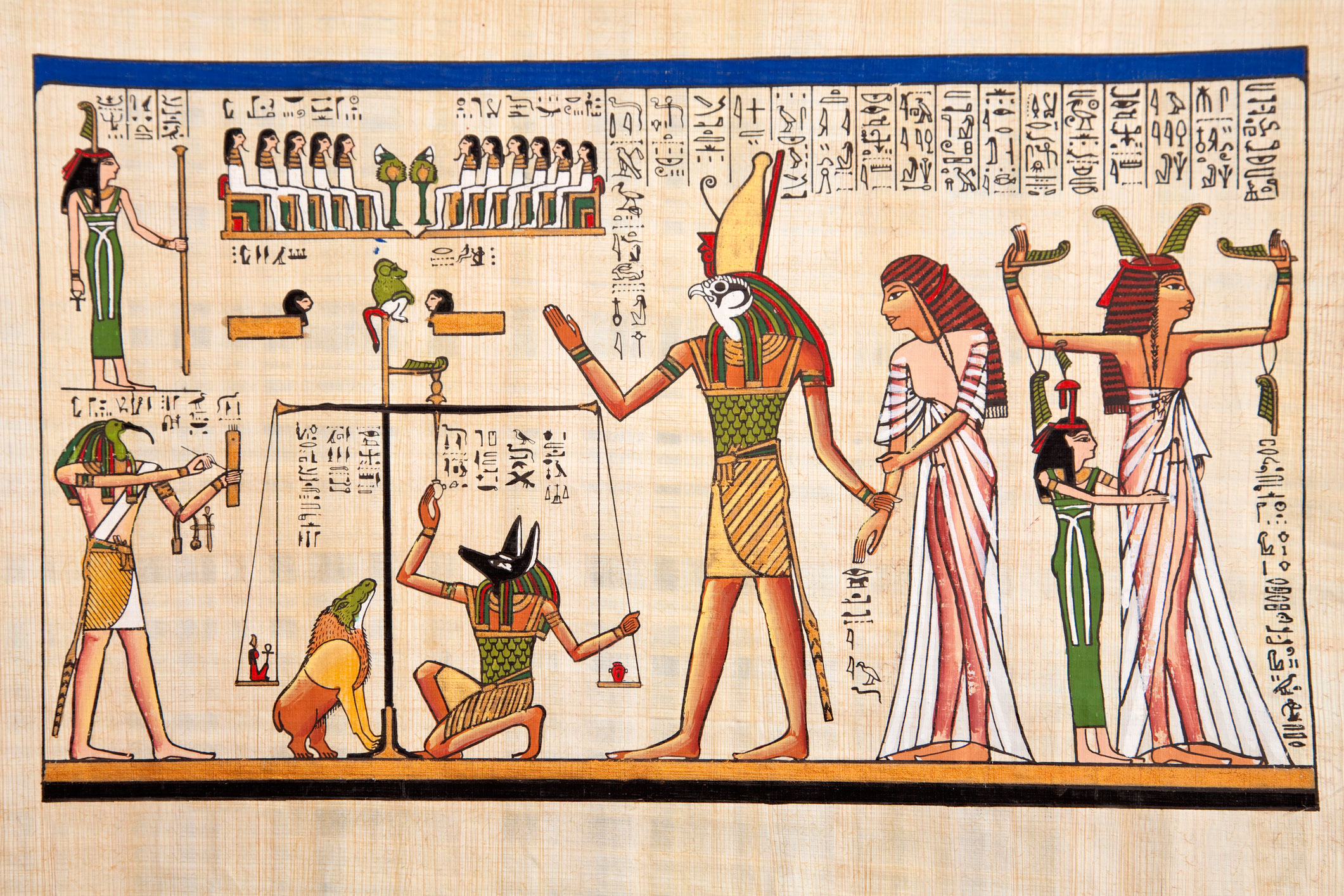
Fashion’s origins can be traced back to ancient civilizations like the Egyptians, Greeks, and Romans. In these societies, clothing served both functional and symbolic purposes. Garments were crafted from natural materials like linen, wool, and silk, with specific styles and colors denoting various social classes and professions. Elaborate garments adorned with jewels and intricate embroidery were reserved for the elite, while commoners dressed more modestly.
The Renaissance Era: Birth of Tailoring and High Fashion
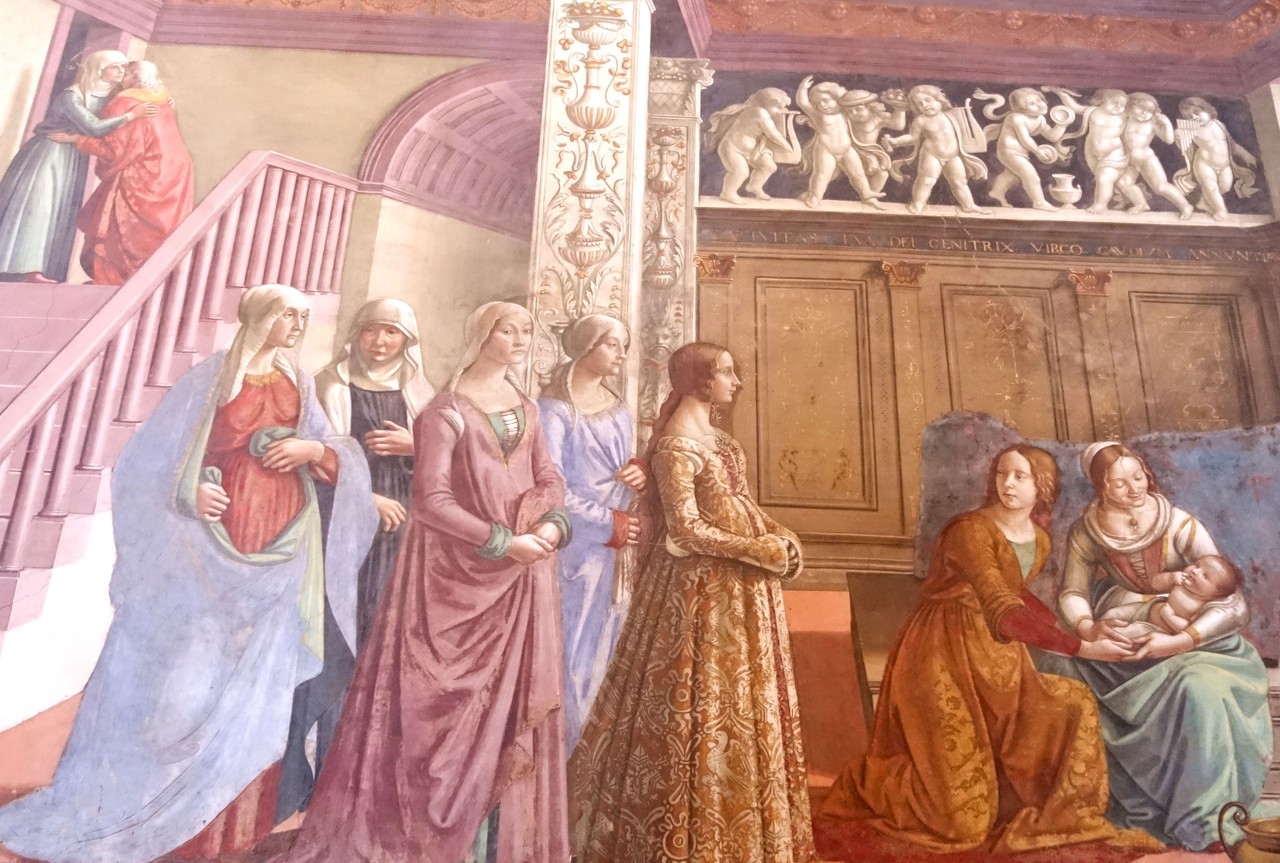
The Renaissance period marked a significant shift in European fashion. It was during this time that tailoring techniques were refined, allowing for more fitted and sophisticated garments. Sumptuary laws were enacted, dictating what colors, fabrics, and designs people of different social ranks could wear. This era also saw the rise of prominent fashion houses, paving the way for the concept of haute couture we know today.
The Victorian Era: A Marriage of Elegance and Restriction
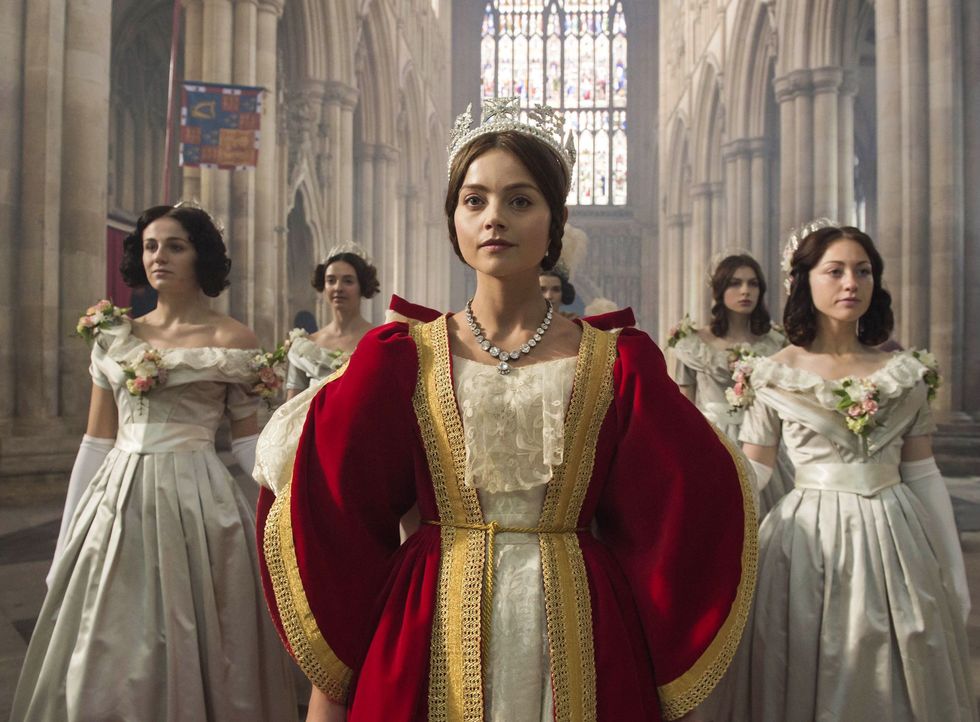
The 19th century brought the Victorian era, known for its strict societal norms and elaborate fashion. Women’s attire featured corsets and voluminous skirts, emphasizing a tiny waistline and an hourglass figure. While the fashion of this period exuded elegance, it was also often restrictive and uncomfortable. Nonetheless, Victorian fashion laid the groundwork for the emergence of women’s rights movements and progressive fashion reforms.
The Roaring Twenties: Breaking Boundaries with Flapper Fashion
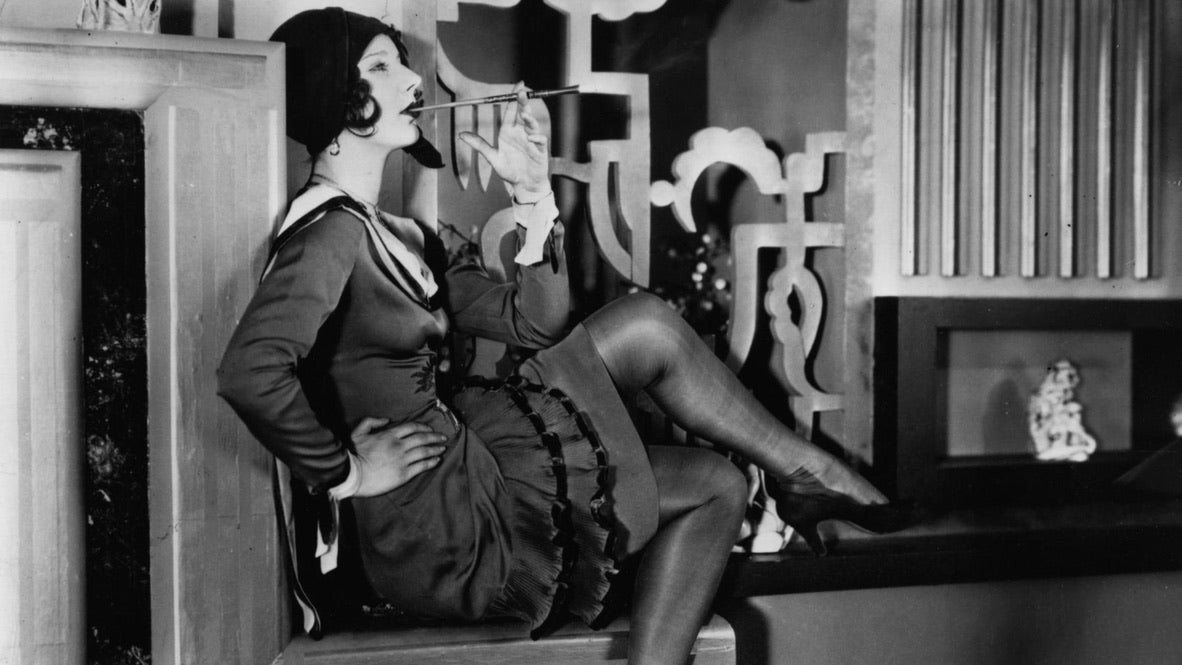
The 1920s witnessed a radical transformation in fashion, particularly for women. The “flapper” style emerged, rejecting traditional norms and embracing a more liberated look. Shorter hemlines, loose-fitting dresses, and a focus on comfort revolutionized women’s fashion. Jazz music and the advent of cinema influenced this carefree and vibrant style, symbolizing the newfound spirit of the era.
Mid-20th Century: Fashion as a Reflection of Societal Change
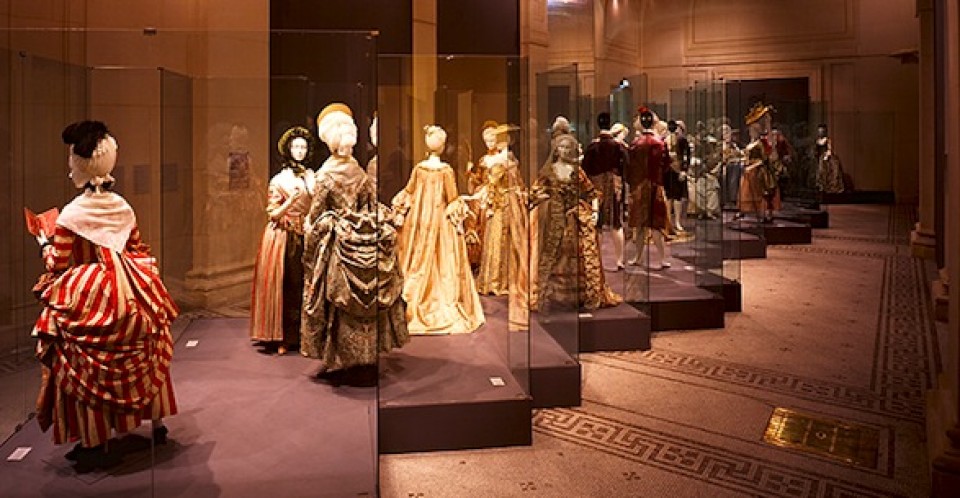
The mid-20th century brought about significant shifts in the fashion world. The 1940s saw the impact of World War II on clothing, with practical, utilitarian designs and rationing of materials. Post-war, the 1950s introduced a return to glamour and femininity with the iconic hourglass silhouette and Christian Dior’s “New Look.” As the decades progressed, the 1960s brought the mod culture, the 1970s embraced bohemian flair, and the 1980s celebrated bold and eccentric styles.
Modern Runway Hits: Fusion of Nostalgia and Innovation
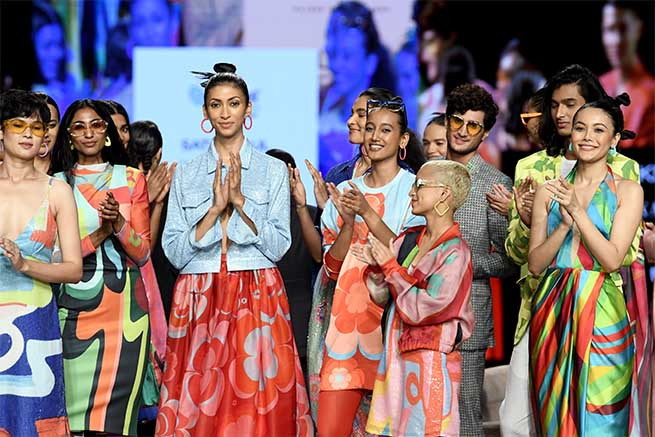
In today’s fashion landscape, designers often draw inspiration from the past while incorporating innovative elements. Runway hits combine historical references with futuristic visions, blurring the lines between vintage and contemporary. Haute couture continues to thrive alongside ready-to-wear collections, allowing fashion enthusiasts of all backgrounds to partake in the sartorial splendor.
Sustainable and Inclusive Fashion: A Growing Trend

As the fashion industry evolves, so does its awareness of environmental and social impacts. Sustainable fashion practices, such as ethical sourcing, eco-friendly materials, and circular design, are gaining traction. The fashion world is also embracing inclusivity, featuring diverse models of various body types, ethnicities, and genders on the runway. These changes mark a positive step towards a more responsible and representative fashion industry.
Conclusion
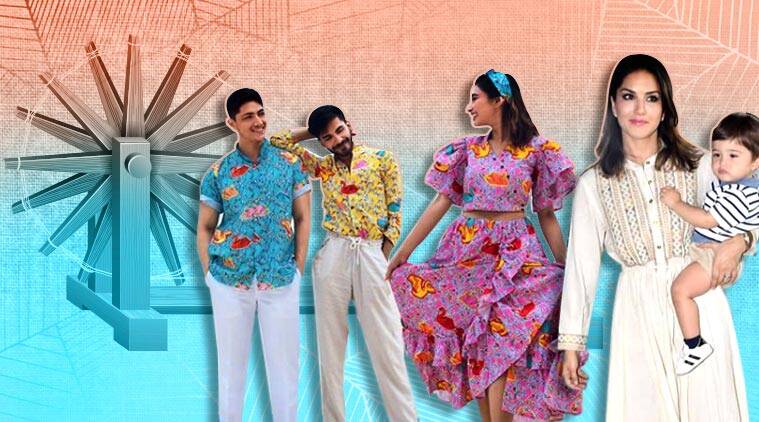
The evolution of fashion is a testament to the ever-changing nature of human expression and society. From its humble beginnings as a symbol of social status to its modern-day fusion of nostalgia and innovation, fashion continues to captivate and inspire. As the industry progresses, embracing sustainability and inclusivity, we can look forward to a fashion landscape that not only dazzles the eyes but also uplifts the spirit and empowers the masses.
Comments

Hi, I’m Nishanth Muraleedharan (also known as Nishani)—an IT engineer turned internet entrepreneur with 25+ years in the textile industry. As the Founder & CEO of "DMZ International Imports & Exports" and President & Chairperson of the "Save Handloom Foundation", I’m committed to reviving India’s handloom heritage by empowering artisans through sustainable practices and advanced technologies like Blockchain, AI, AR & VR. I write what I love to read—thought-provoking, purposeful, and rooted in impact. nishani.in is not just a blog — it's a mark, a sign, a symbol, an impression of the naked truth. Like what you read? Buy me a chai and keep the ideas brewing. ☕💭 For advertising on any of our platforms, WhatsApp me on : +91-91-0950-0950 or email me @ support@dmzinternational.com