
Preserving India’s Heritage: Top 10 Solutions to Save Indian Handloom
India’s handloom industry is deeply rooted in its cultural heritage, representing centuries-old craftsmanship and artistic excellence. However, this traditional art form is facing numerous challenges in the modern world. To preserve and revitalize the Indian handloom sector, it requires a collective effort from various stakeholders, including the government, consumers, designers, and artisans. In this blog, we will discuss the top 10 solutions to safeguard Indian handloom and ensure its sustainability for generations to come.
1. Financial Support and Incentives
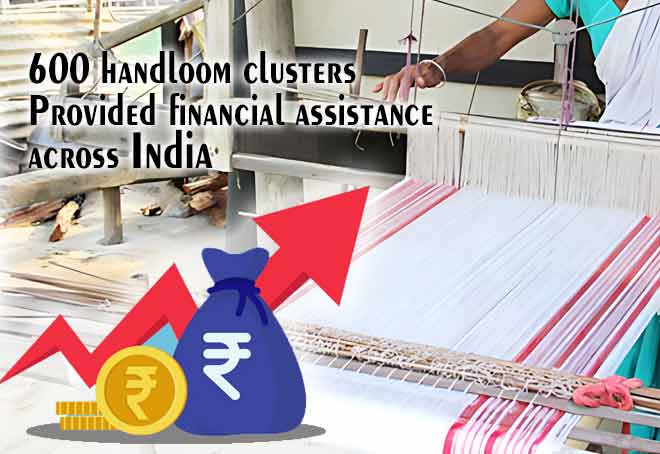
One of the critical aspects of saving the handloom industry is providing financial support and incentives to weavers and handloom cooperatives. The government should allocate funds and offer subsidies to help them overcome financial constraints and improve their production capabilities. Grants can also be given for upgrading their equipment and infrastructure, ultimately enhancing their overall productivity.
2. Market Access and Promotion
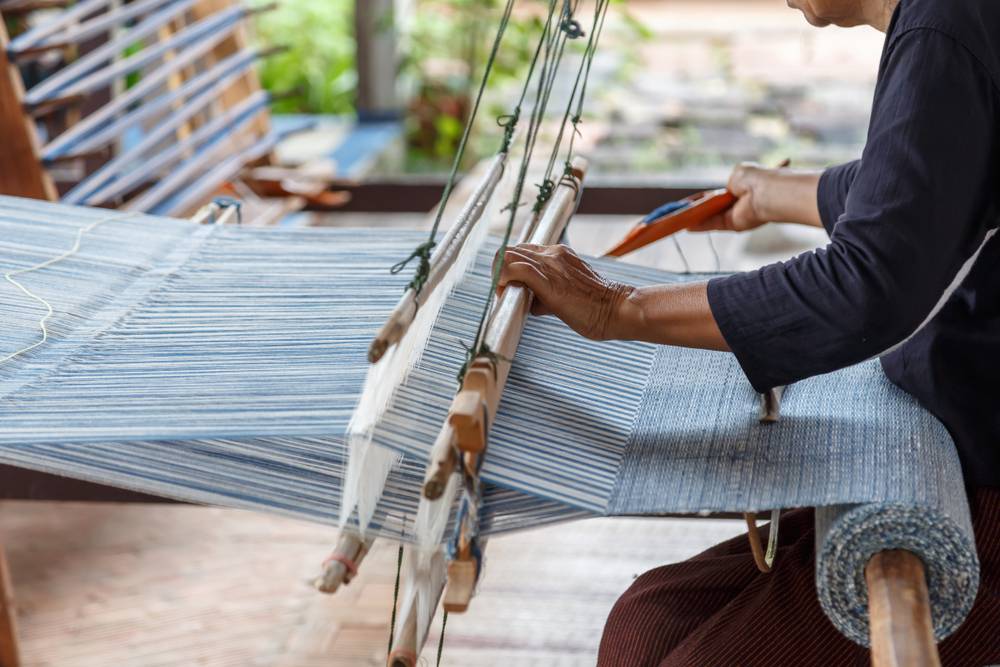
Effective marketing and promotion are essential for the survival of any industry, and handloom is no exception. Collaborating with both online and offline retailers to showcase handloom products will expand their market reach. Organizing handloom exhibitions, fairs, and fashion shows will not only attract consumers but also raise awareness about the cultural significance of handloom.
3. Skill Development and Training
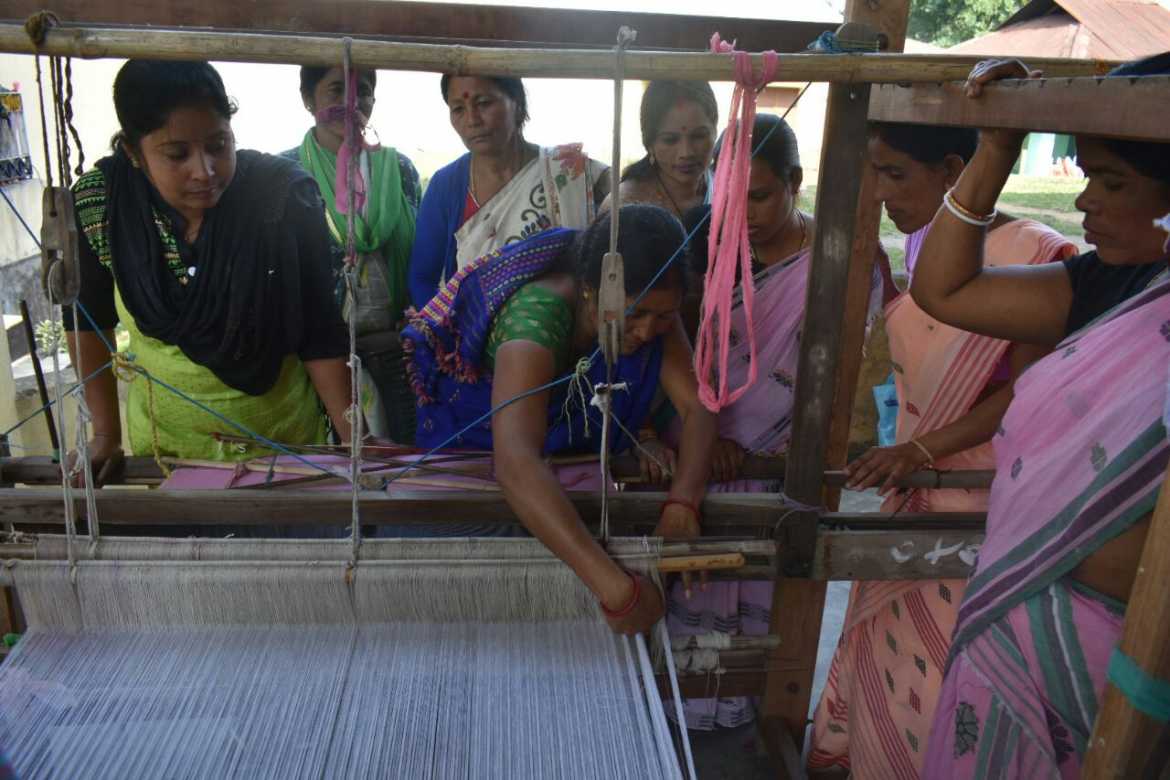
Preserving traditional weaving techniques requires imparting knowledge and skills to the younger generation. Investing in skill development programs and providing training workshops will ensure the continuity of ancient weaving practices. Additionally, educating weavers about modern trends and designs will enable them to adapt to changing consumer preferences.
4. Design Innovation and Product Diversification
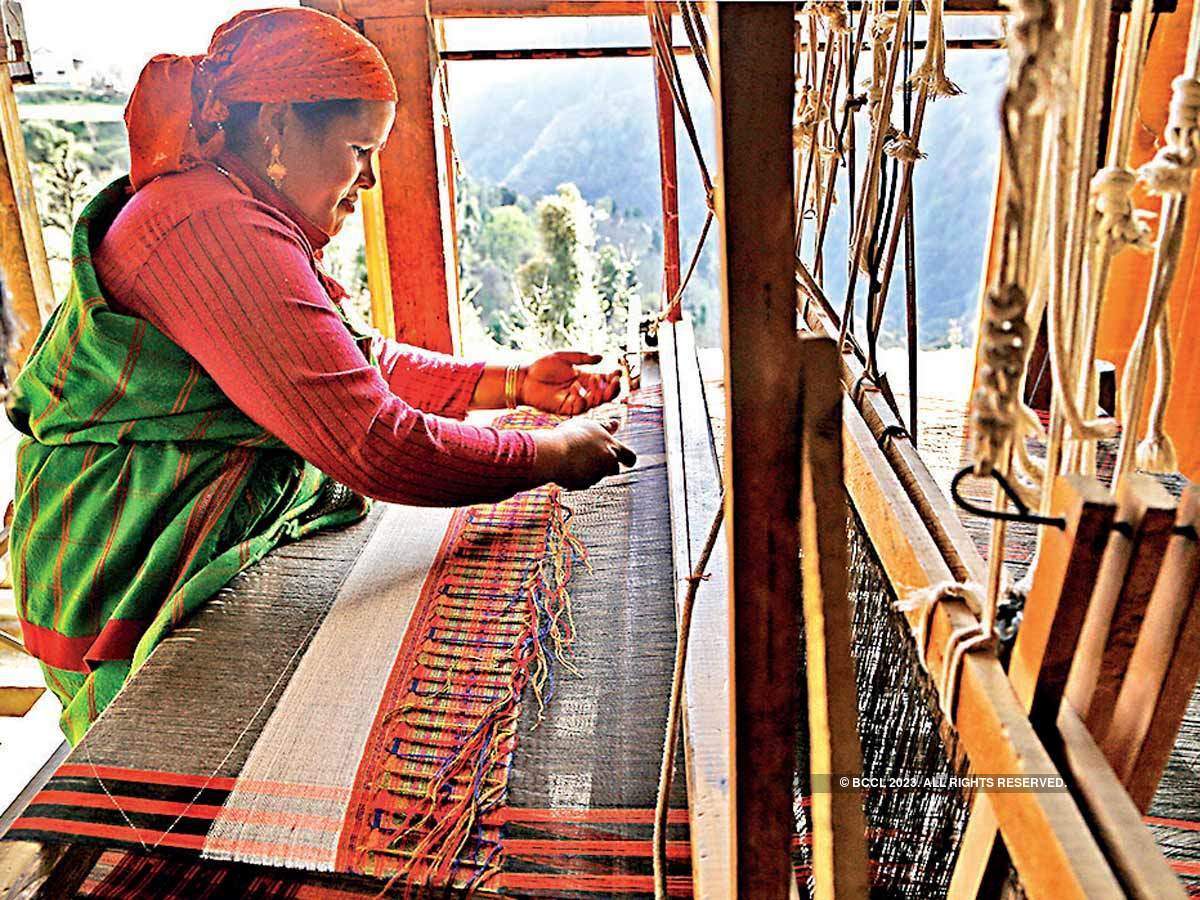
While preserving tradition is crucial, embracing design innovation is equally important. Collaborating with designers to create contemporary designs that incorporate traditional techniques will make handloom products more appealing to a wider audience. Moreover, diversifying the product range to include accessories, home furnishings, and lifestyle products can attract new customers.
5. Preservation of Traditional Techniques
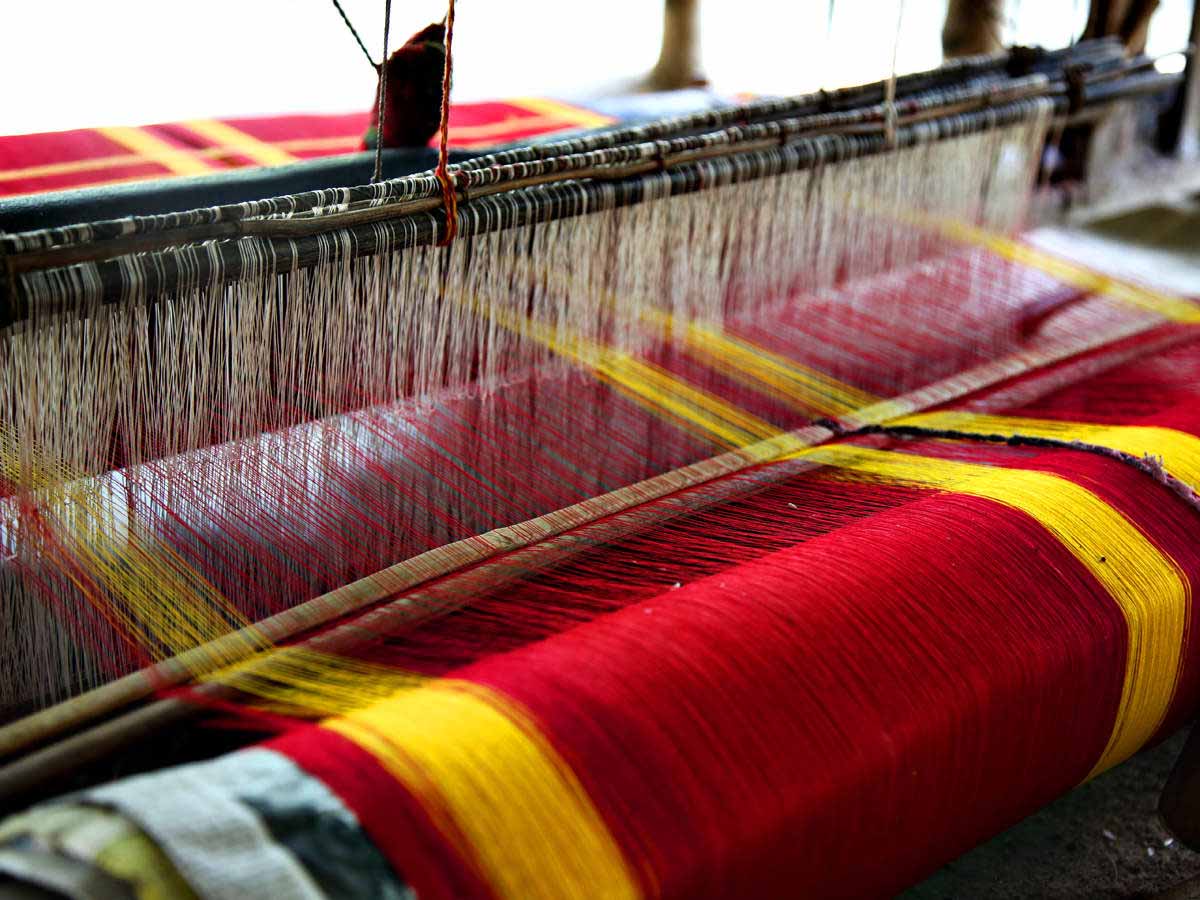
The rich heritage of Indian handloom lies in its diverse traditional weaving techniques, each unique to specific regions. To save Indian handloom, it is imperative to document, preserve, and pass on these techniques to future generations. Workshops and training programs should be conducted to ensure that these skills are not lost over time.
6. Quality Standards and Certification

Establishing quality standards and certifications for handloom products will build trust and confidence among consumers. Accreditation ensures that the handloom products meet specific criteria, including authenticity, durability, and eco-friendliness. This will protect consumers from counterfeit products and promote genuine handloom purchases.
7. Public Awareness Campaigns

Raising awareness about the significance of handloom is essential for its revival. Public awareness campaigns, both online and offline, can educate consumers about the cultural and environmental importance of handloom textiles. This will create a sense of pride in owning handloom products and encourage conscious buying decisions.
8. Collaborations with Designers and Fashion Industry

Collaborating with fashion designers and industry experts can breathe new life into handloom textiles. These collaborations can result in unique collections that fuse traditional craftsmanship with contemporary fashion trends, making handloom products more desirable to modern consumers.
9. Digital Empowerment
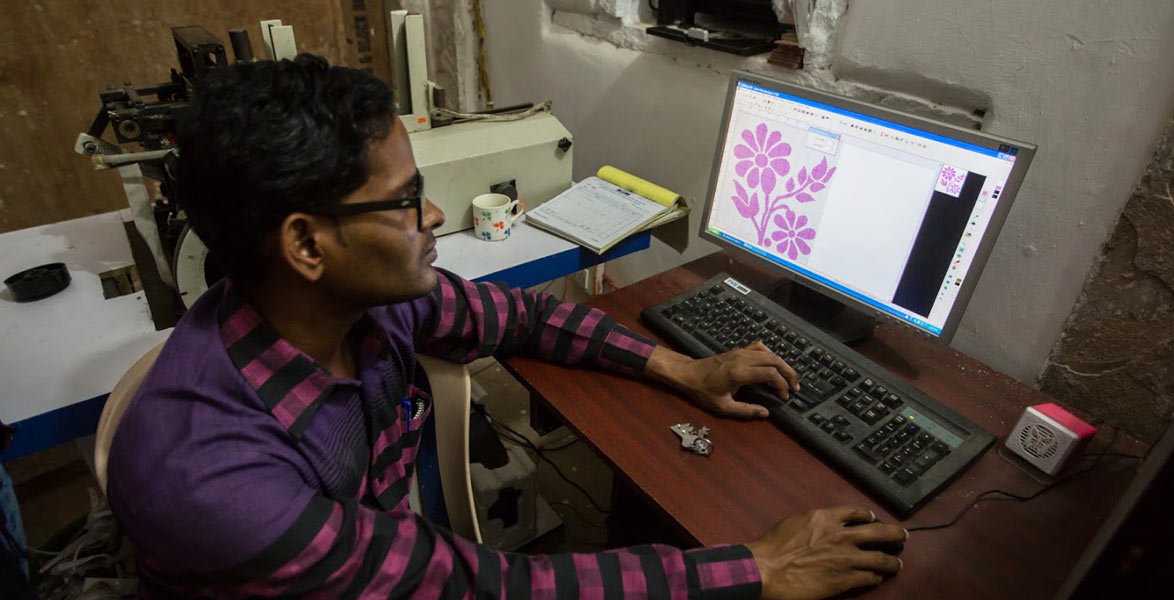
Empowering weavers with digital literacy and access to technology can open up new opportunities for their businesses. It allows them to market their products online, reach a global audience, and stay updated with the latest trends and market demands.
10. Support for Export

Expanding the global market for Indian handloom can significantly boost the industry. The government should support handloom exporters by addressing trade barriers, providing logistical assistance, and promoting Indian handloom at international events.
Conclusion
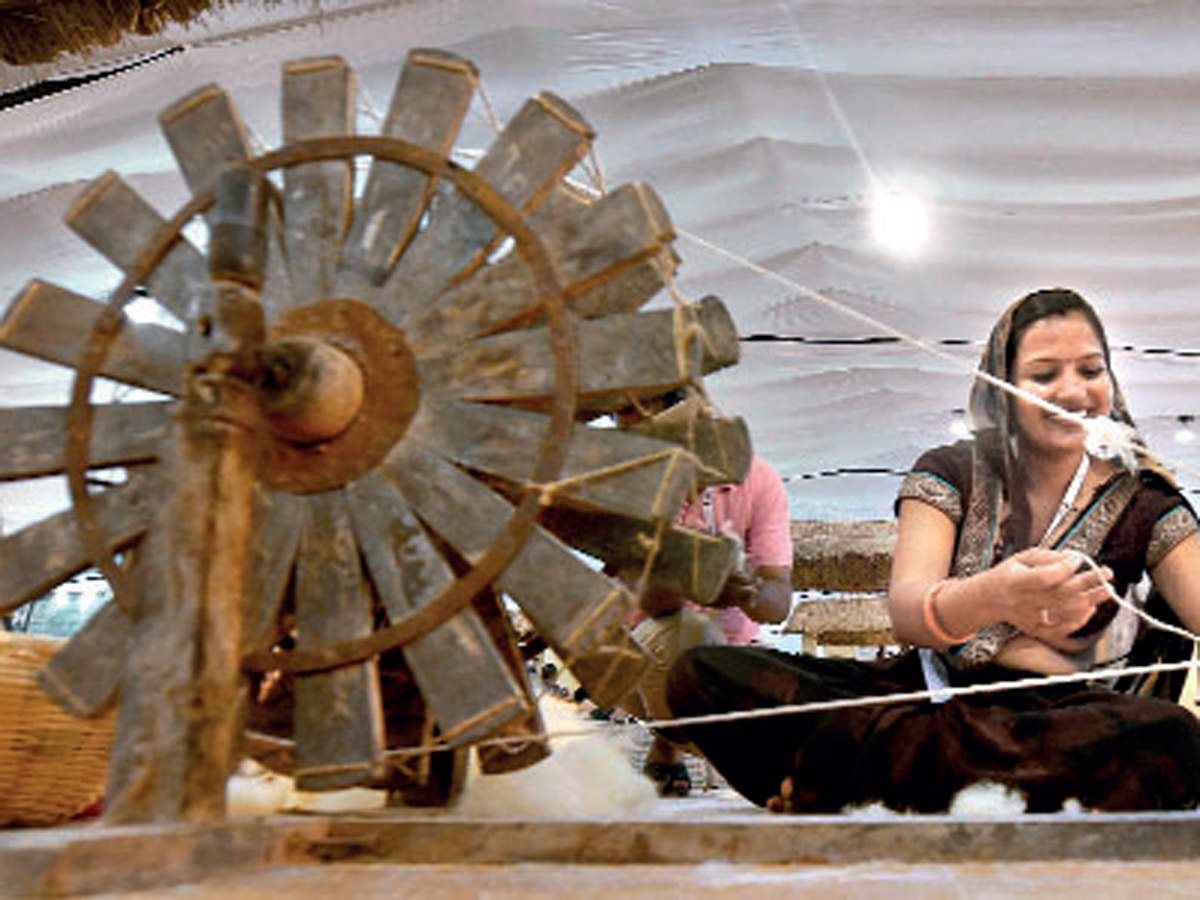
Preserving Indian handloom is not just about protecting an ancient craft; it is about safeguarding a significant part of the country’s cultural heritage and supporting the livelihoods of countless artisans. By implementing these top 10 solutions and working collectively, we can ensure the survival and prosperity of the Indian handloom industry for generations to come. As consumers, let’s make a conscious effort to choose handloom products and contribute to this noble cause of preserving our artistic heritage.
Comments

Hi, I’m Nishanth Muraleedharan (also known as Nishani)—an IT engineer turned internet entrepreneur with 25+ years in the textile industry. As the Founder & CEO of "DMZ International Imports & Exports" and President & Chairperson of the "Save Handloom Foundation", I’m committed to reviving India’s handloom heritage by empowering artisans through sustainable practices and advanced technologies like Blockchain, AI, AR & VR. I write what I love to read—thought-provoking, purposeful, and rooted in impact. nishani.in is not just a blog — it's a mark, a sign, a symbol, an impression of the naked truth. Like what you read? Buy me a chai and keep the ideas brewing. ☕💭 For advertising on any of our platforms, WhatsApp me on : +91-91-0950-0950 or email me @ support@dmzinternational.com