
The Slow Fashion Revolution: Embracing Handmade Natural Fiber Clothing
In a world driven by instant gratification, fast fashion has long held the throne as the go-to choice for trendy clothing. However, recent studies in developed countries, like the United States, have unveiled a dark underbelly of the fashion industry, shedding light on the dangers of synthetic fibers, microfiber pollution, and the detrimental impact of mass-produced clothing on our health and the environment. In response to these revelations, an inspiring shift is occurring, with people in developed countries turning to handmade natural fiber clothing as a sustainable and healthier alternative. But when will this revolution reach India and other developing countries, and when will consumers there be able to afford these eco-friendly garments? Let’s dive into this intriguing topic.
The Fast Fashion Predicament
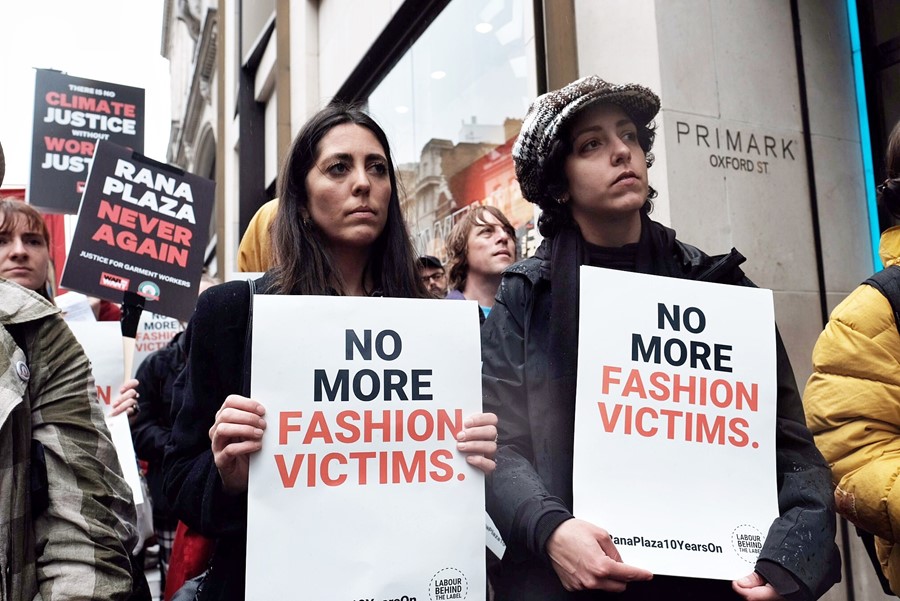
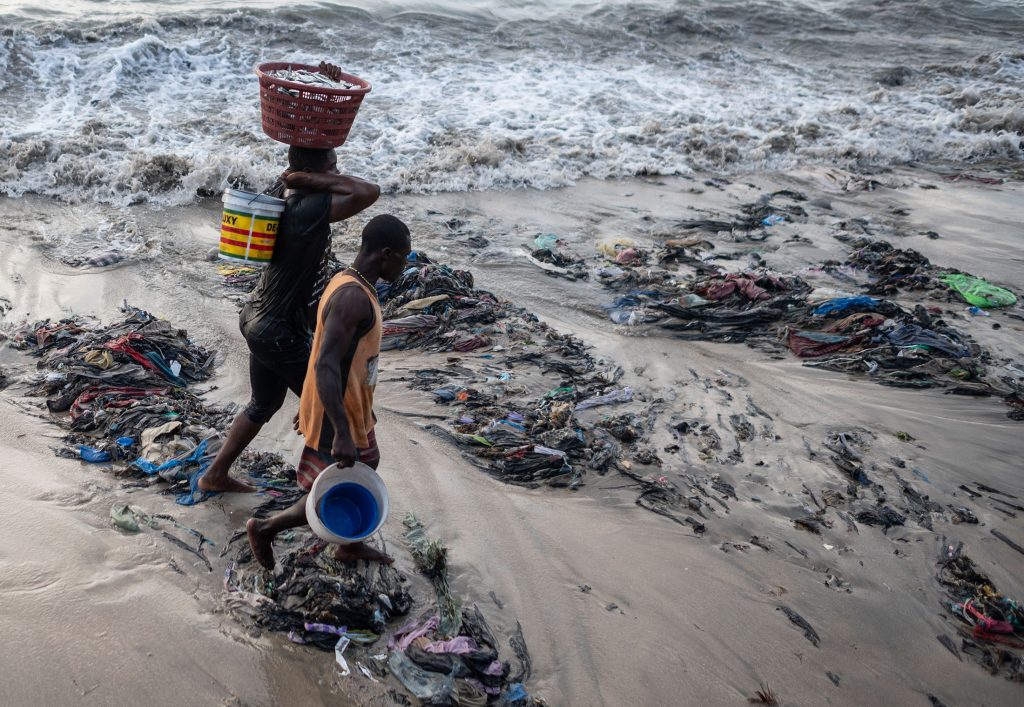
Fast fashion, characterized by its rapid turnover of inexpensive, trendy clothing, has been synonymous with convenience and affordability. However, as more research emerges, it’s becoming clear that this seemingly convenient choice comes at a steep cost. The mass production of synthetic fabrics, such as polyester and nylon, contributes to various environmental issues, including microfiber pollution in oceans and landfills that take centuries to decompose. Moreover, synthetic fibers are notorious for releasing harmful chemicals during production, which can have adverse health effects on those who wear them.
The Slow Fashion Renaissance
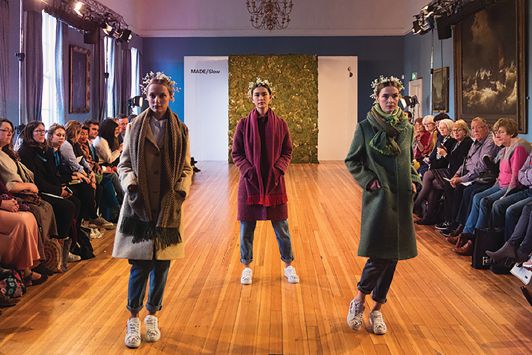
Enter the slow fashion movement, a growing response to the perils of fast fashion. People in developed countries are increasingly turning to natural fiber handloom clothing as a way to counter the harmful impacts of the fashion industry. These garments are made from materials like cotton, linen, hemp, and wool, which are biodegradable, sustainable, and breathable. Moreover, the craftsmanship involved in creating handloom textiles results in unique, high-quality pieces that are built to last, reducing the need for frequent replacements.
The Changing Landscape in Developed Countries
In developed nations, awareness of the dark side of fast fashion has been steadily growing. Consumers are educating themselves about the hazardous chemicals used in synthetic fabric production, the exploitation of cheap labor, and the excessive waste generated by the industry. This newfound awareness is driving a demand for sustainable alternatives, particularly handmade natural fiber clothing.
Recent studies in the United States have further propelled this shift. Researchers have exposed the alarming levels of microfiber pollution caused by synthetic fabrics, linking them to harmful effects on marine life and potential health risks for humans. As a result, conscious consumers are reevaluating their clothing choices and seeking ethical and sustainable alternatives.
The Road Ahead for Developing Countries
While the slow fashion revolution has taken hold in developed countries, the journey to widespread adoption in developing nations, including India, is a complex one. Factors such as economic disparities, cultural influences, and limited access to sustainable alternatives play a significant role in the pace of change.
However, there is reason for optimism. In India, for example, traditional handloom weaving has a deep-rooted history, and it’s not uncommon for people to already wear handmade garments made from natural fibers. Efforts are being made to revive and modernize the handloom industry, making these products more accessible and appealing to a broader audience.
The Affordability Challenge
Affordability remains a crucial concern in the transition to slow fashion, especially in developing countries. Handmade natural fiber clothing, while sustainable, can be more expensive due to the labor-intensive production process. Nonetheless, as demand grows and supply chains adapt, economies of scale may drive down the cost, making these garments more accessible to a wider range of consumers.
Embracing a Sustainable Future

The move towards handmade natural fiber clothing is more than just a fashion trend; it’s a shift towards a more sustainable, ethical, and eco-conscious way of life. As developed countries grapple with the environmental and health impacts of fast fashion, they serve as both a cautionary tale and a source of inspiration for developing nations.
In time, as the slow fashion movement gains momentum, we can hope to see a global shift towards more sustainable clothing choices. It’s a movement driven not only by fashion but by a collective commitment to preserving our planet and promoting ethical practices in the fashion industry. So, when will developing countries fully embrace handmade natural fiber clothing? The answer lies in a collective effort to make sustainable fashion not just a choice but a global reality.
Comments

Hi, I’m Nishanth Muraleedharan (also known as Nishani)—an IT engineer turned internet entrepreneur with 25+ years in the textile industry. As the Founder & CEO of "DMZ International Imports & Exports" and President & Chairperson of the "Save Handloom Foundation", I’m committed to reviving India’s handloom heritage by empowering artisans through sustainable practices and advanced technologies like Blockchain, AI, AR & VR. I write what I love to read—thought-provoking, purposeful, and rooted in impact. nishani.in is not just a blog — it's a mark, a sign, a symbol, an impression of the naked truth. Like what you read? Buy me a chai and keep the ideas brewing. ☕💭 For advertising on any of our platforms, WhatsApp me on : +91-91-0950-0950 or email me @ support@dmzinternational.com