
OpenAI: A Tumultuous Few Days and a Rift in the AI Community
OpenAI, a non-profit research company founded in 2015 by some of the most influential figures in the tech industry, has experienced a tumultuous few days with the departure of CEO Sam Altman. However, the company is moving forward with a new interim CEO, Emmett Shear, who will replace Mira Murati.
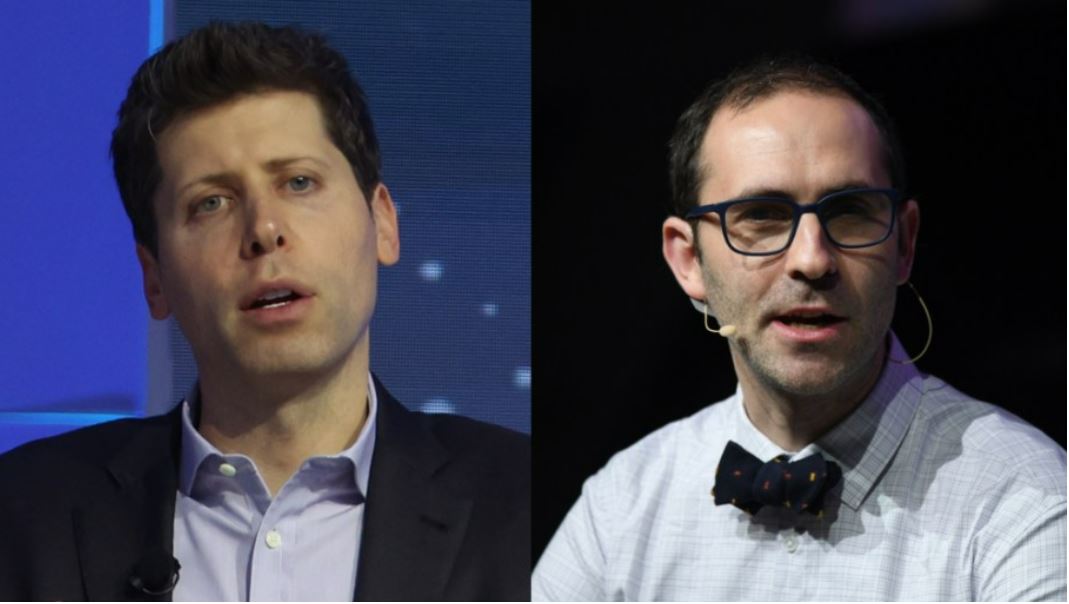
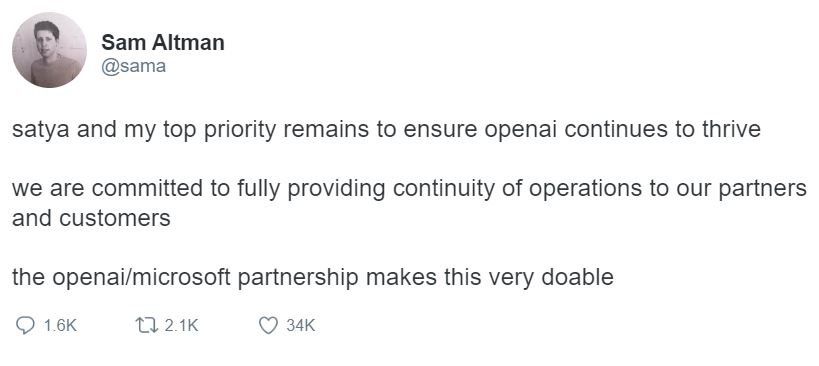
In response to Altman‘s departure, Microsoft has hired him and another co-founder of OpenAI, Greg Brockman, to head its artificial intelligence team. OpenAI‘s staff has threatened to quit unless the board resigns and joins Altman at Microsoft. The situation has highlighted a rift in the AI community between those who believe AI is important and those who have concerns about its rapid development.
This blog will explore the events leading up to Altman’s departure, the current state of OpenAI, and the larger implications for the AI community.
The Founding of OpenAI
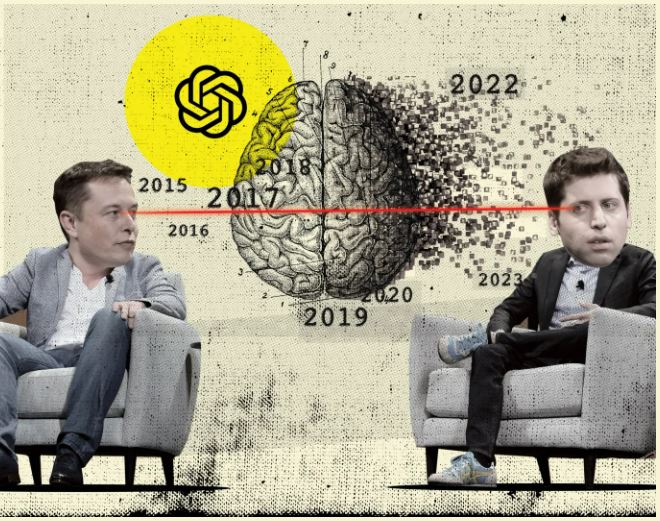
OpenAI was founded in December 2015 by a group of tech luminaries including Elon Musk, Sam Altman, Greg Brockman, Ilya Sutskever, John Schulman, and Wojciech Zaremba. The company’s mission was to advance artificial intelligence in a safe and beneficial way for all of humanity.
At the time of its founding, OpenAI was seen as a response to growing concerns about the potential dangers of AI. Elon Musk had been warning about the dangers of AI for years, famously calling it “the greatest existential threat we face as a civilization”. By founding OpenAI, Musk and his fellow co-founders hoped to create a company that would be at the forefront of developing AI in a way that was safe and beneficial for all of humanity.
The company received significant funding from a variety of sources, including Elon Musk himself, who contributed $1 billion to the company’s initial funding round. Other investors included Reid Hoffman, Peter Thiel, and Amazon Web Services.
OpenAI’s Early Years
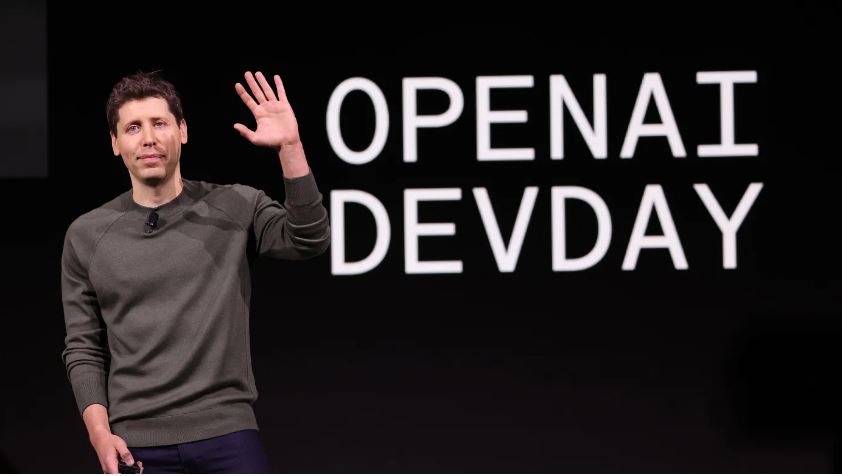
In its early years, OpenAI focused on developing cutting-edge AI technology and conducting research into the potential dangers of AI. The company’s research focused on a variety of areas, including natural language processing, robotics, and deep learning.
One of the company’s most notable achievements during this time was the development of OpenAI Five, an AI system that was able to beat a team of professional players at the video game Dota 2. This achievement was seen as a major milestone in the development of AI, as it demonstrated that AI was capable of mastering complex tasks that were previously thought to be the exclusive domain of human intelligence.
However, OpenAI’s early years were not without controversy. In 2017, the company announced that it would not release the full version of its language model, GPT-2, due to concerns about the potential misuse of the technology. The decision sparked a debate in the AI community about the ethics of withholding research, with some arguing that OpenAI was setting a dangerous precedent by keeping the technology under wraps.
Altman’s Departure and Microsoft’s Hiring Spree
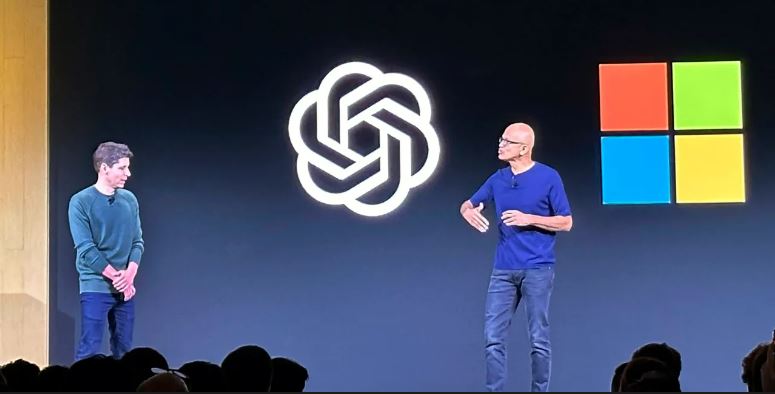
In February 2021, OpenAI CEO Sam Altman announced that he would be stepping down from his position. Altman had been with OpenAI since its founding and was seen as one of the company’s key figures. His departure was seen as a major blow to the company.
Shortly after Altman‘s departure, Microsoft announced that it had hired Altman and another co-founder of OpenAI, Greg Brockman, to head its artificial intelligence team. The move was seen as a major coup for Microsoft, which has been investing heavily in AI in recent years.
However, the move was not without controversy. OpenAI‘s staff threatened to quit unless the board resigned and joined Altman at Microsoft. The situation highlighted a rift in the AI community between those who believe AI is important and those who have concerns about its rapid development.
The Rift in the AI Community
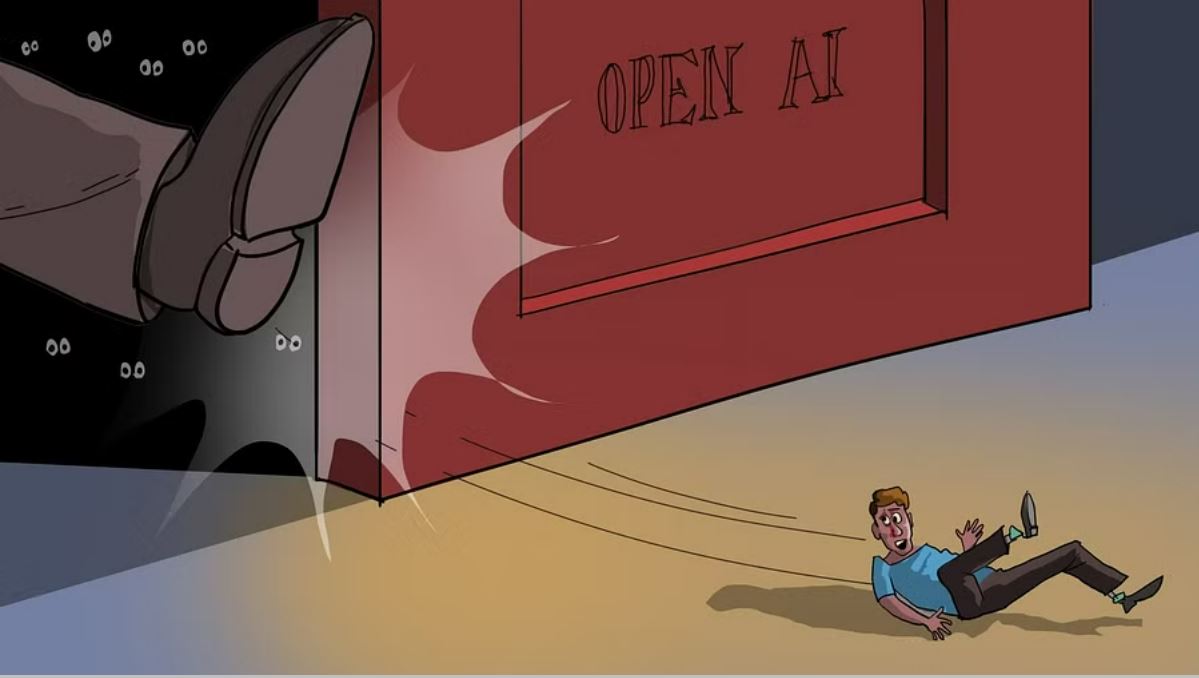
The rift in the AI community is not a new phenomenon. For years, there has been a debate about the potential dangers of AI and the need for safeguards to ensure that AI is developed in a way that is safe and beneficial for all of humanity.
One of the key concerns about AI is the potential for it to be used as a weapon. Some experts have warned that AI could be used to develop autonomous weapons that could make decisions about who to kill without human supervision. This could lead to a new era of warfare in which machines make life-and-death decisions without any human oversight.
Another concern about AI is the potential for it to exacerbate existing inequalities. Some experts have warned that AI could be used to automate jobs that are currently done by humans, leading to widespread job losses and economic disruption. This could have a particularly devastating impact on low-skilled workers who are already struggling to make ends meet.
Despite these concerns, there are many in the tech industry who believe that AI has the potential to revolutionize the world in positive ways. AI has already been used to develop new medical treatments, improve transportation systems, and make scientific discoveries that were previously thought impossible.
The Future of OpenAI

The departure of Sam Altman and the hiring of two of OpenAI‘s co-founders by Microsoft have left the future of the company uncertain. However, there is reason to be hopeful that OpenAI will continue to make important contributions to the field of artificial intelligence.
Emmett Shear, the new interim CEO of OpenAI, is a respected figure in the tech industry and is well-equipped to lead the company through this challenging time. In a statement announcing his appointment, Shear emphasized his commitment to OpenAI’s mission of developing AI in a safe and beneficial way for all of humanity.
Furthermore, OpenAI has a talented team of researchers and engineers who are dedicated to advancing the field of AI. The company’s research into natural language processing, robotics, and deep learning has already yielded impressive results, and there is reason to believe that the company will continue to make groundbreaking discoveries in the years to come.
Conclusion
The events of the past few days have highlighted the challenges facing the AI community. The rift between those who believe AI is important and those who have concerns about its rapid development is likely to persist for years to come.
However, there is reason to be optimistic about the future of AI. As companies like OpenAI continue to develop cutting-edge technology and conduct research into the potential dangers of AI, we will gain a better understanding of how to harness the power of AI in a way that is safe and beneficial for all of humanity.
Comments

Hi, I’m Nishanth Muraleedharan (also known as Nishani)—an IT engineer turned internet entrepreneur with 25+ years in the textile industry. As the Founder & CEO of "DMZ International Imports & Exports" and President & Chairperson of the "Save Handloom Foundation", I’m committed to reviving India’s handloom heritage by empowering artisans through sustainable practices and advanced technologies like Blockchain, AI, AR & VR. I write what I love to read—thought-provoking, purposeful, and rooted in impact. nishani.in is not just a blog — it's a mark, a sign, a symbol, an impression of the naked truth. Like what you read? Buy me a chai and keep the ideas brewing. ☕💭 For advertising on any of our platforms, WhatsApp me on : +91-91-0950-0950 or email me @ support@dmzinternational.com