The Rise of DeepSeek: A New Era in Artificial Intelligence
In recent weeks, the AI landscape has been turned on its head, with China’s DeepSeek making headlines for achieving feats previously deemed impossible. This $6 million AI startup has effectively erased over $2 trillion in market capitalization from U.S. tech giants, including NVIDIA, which alone has seen its market cap plunge by $500 billion. Here’s an in-depth exploration of how DeepSeek is redefining the rules of artificial intelligence and reshaping global tech dynamics.
DeepSeek: Origins and Founders
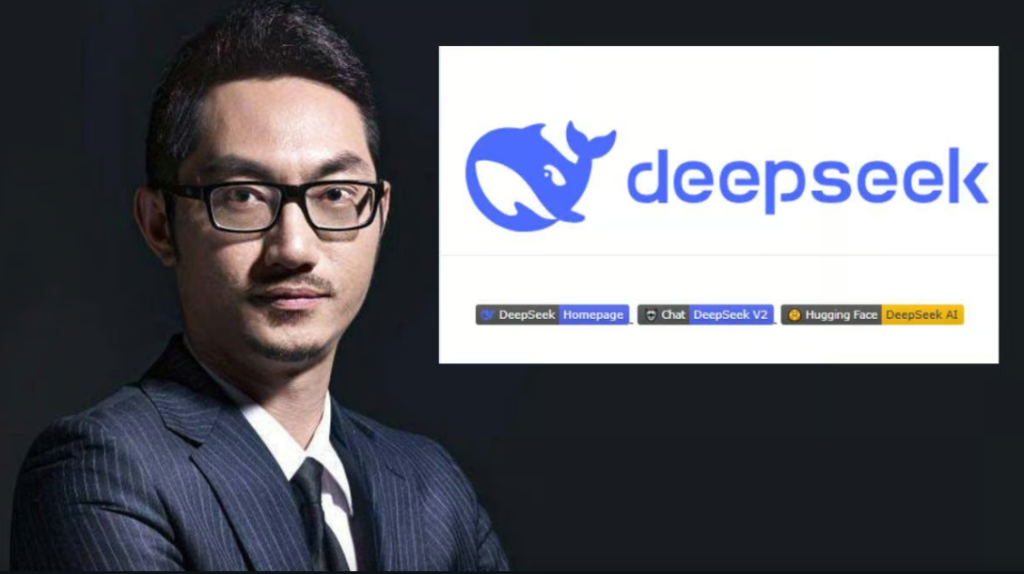
DeepSeek was founded in 2023 by Dr. Liang Wu, a former AI researcher at Tsinghua University with a background in computational linguistics and AI ethics. Based in Shenzhen, China’s burgeoning tech hub, the company was initially funded by a modest $6 million seed investment from a coalition of Chinese venture capitalists and government-backed AI initiatives.
From its inception, DeepSeek aimed to challenge the entrenched dominance of Silicon Valley by focusing on efficiency, transparency, and scalability. Unlike traditional AI models that rely on massive computational resources, DeepSeek adopted innovative algorithms inspired by neuromorphic computing, mimicking the way human brains process information.
Cost-Efficient AI: The Game Changer
DeepSeek’s flagship reasoning AI model, DeepSeek R1, has stunned the tech world with its groundbreaking cost efficiency:

- Training Costs: OpenAI’s GPT-4 required over $600 million to train. In contrast, DeepSeek R1 was developed for just $6 million—1/1000th of the cost.
- Operational Costs: OpenAI’s models cost $100+ per million tokens for inference, whereas DeepSeek’s models cost under $4 per million tokens.
This drastic reduction in cost was achieved by leveraging advanced compression algorithms, low-power hardware optimization, and a proprietary framework that minimizes redundancy in model training and execution.
Open Source and Transparency
A key differentiator for DeepSeek R1 is its open-source nature and permissive licensing. Unlike OpenAI, which has faced criticism for its closed-off approach, DeepSeek provides full disclosure of its reasoning processes. This transparency not only accelerates innovation but also addresses growing concerns about AI accountability and bias.
DeepSeek’s Impact on Global AI

Tech Investors in Panic Mode
The emergence of DeepSeek has sent shockwaves through Silicon Valley. Companies like OpenAI, Google, and NVIDIA are now grappling with the implications of DeepSeek’s advancements:
- NVIDIA: Once a dominant player in AI hardware, NVIDIA has lost over $500 billion in market capitalization. DeepSeek’s cost-efficient models suggest that AI development may no longer require extensive GPU resources, undermining NVIDIA’s core business model.
- OpenAI and Google: Both giants face unprecedented competition. OpenAI’s reliance on expensive GPUs and closed systems contrasts sharply with DeepSeek’s cost-effective, open-source solutions. Google’s Bard and other AI projects are under scrutiny for their comparatively high costs and limited accessibility.
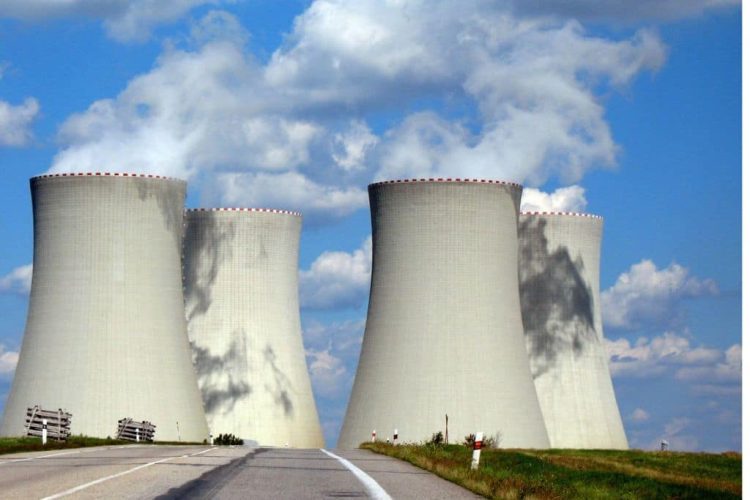
The emergence of DeepSeek technology is not only causing a decline in the shares of U.S.-based companies but is also significantly impacting the stock performance of nuclear energy companies. This disruptive technology is reshaping industries by introducing more efficient, sustainable, and cost-effective alternatives, leading investors to shift their focus and funds away from traditional energy and technology sectors. As a result, nuclear companies, which rely heavily on market stability and long-term investment confidence, are witnessing a notable downturn in their share prices, reflecting the broader implications of this technological shift.
Shifting Global AI Dominance
DeepSeek’s rise underscores a broader shift in global tech dominance. China, already a leader in 5G and semiconductor manufacturing, is now emerging as a frontrunner in AI innovation. DeepSeek’s success has catalyzed a wave of investment in Chinese AI startups, further intensifying the race for AI supremacy.
Revolutionary Changes on the Horizon
- Cost-Effective AI Models: The industry is likely to pivot towards models that are cheaper to build and run, democratizing AI access for smaller enterprises and developing nations.
- Reduced Hardware Dependence: If DeepSeek’s neuromorphic-inspired methods gain traction, the reliance on GPUs and high-power computing may diminish, leading to a more sustainable AI ecosystem.
- Open Source Proliferation: DeepSeek’s open-source approach could pressure other AI companies to follow suit, fostering a culture of collaboration and transparency.
- New Applications: DeepSeek is already expanding into areas like generative art. Its DALL-E competitor reportedly surpasses existing models in creativity, speed, and cost efficiency, signaling a new era for AI-generated content.
DeepSeek vs. Silicon Valley: A Comparative Analysis
| Feature | DeepSeek R1 | OpenAI GPT-4 | NVIDIA’s Role |
|---|---|---|---|
| Training Cost | $6M | $600M+ | Heavy GPU reliance |
| Operational Cost | <$4 per million tokens | $100+ per million tokens | Dependency diminishing |
| Transparency | Fully open source | Proprietary | Proprietary hardware |
| Global Impact | Democratized AI | Limited to affluent clients | Market disruption |
Who Will Lead the AI Race?
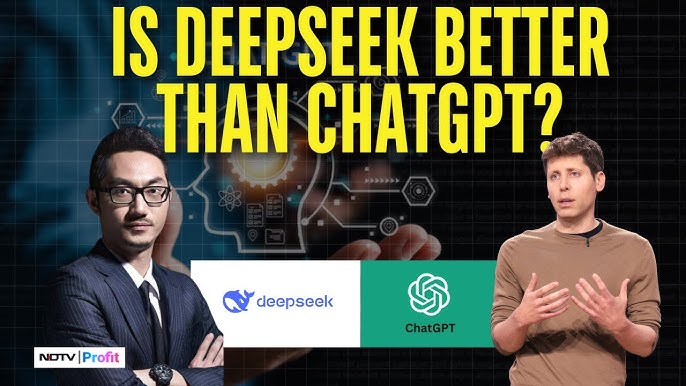
- DeepSeek: With its cost-efficient, transparent, and open-source models, DeepSeek is poised to lead the next wave of AI innovation.
- NVIDIA: While facing challenges, NVIDIA may adapt by focusing on specialized hardware for neuromorphic computing and quantum AI.
- OpenAI and Google: To stay competitive, these giants must overhaul their cost structures and embrace greater transparency.
Recent Developments in AI
- DeepSeek’s DALL-E Rival: Early tests show superior image generation capabilities with enhanced realism and contextual understanding.
- Global Investment Trends: Chinese AI startups are attracting record-breaking investments, while U.S. firms face declining valuations.
- Regulatory Implications: Governments worldwide are reassessing AI policies to address ethical concerns and maintain competitiveness.
Conclusion

The global AI race has never been more unpredictable, as China’s DeepSeek disrupts the status quo with unprecedented speed and efficiency. In just under two years, DeepSeek has managed to achieve what giants like OpenAI took a decade to build, proving that agility and innovation can outpace sheer scale and resources. By open-sourcing advanced AI technology and making it accessible for free, DeepSeek has not only challenged the dominance of American AI firms but also redefined the competitive landscape of the industry.

While the U.S. still holds a significant advantage in infrastructure, research ecosystems, and private investment, China’s focused approach and willingness to democratize advanced AI pose a serious challenge. Ultimately, the winner of the AI race may not be a single nation but rather those who prioritize collaboration, transparency, and ethical innovation in shaping the future of artificial intelligence.
Comments

Hi, I’m Nishanth Muraleedharan (also known as Nishani)—an IT engineer turned internet entrepreneur with 25+ years in the textile industry. As the Founder & CEO of "DMZ International Imports & Exports" and President & Chairperson of the "Save Handloom Foundation", I’m committed to reviving India’s handloom heritage by empowering artisans through sustainable practices and advanced technologies like Blockchain, AI, AR & VR. I write what I love to read—thought-provoking, purposeful, and rooted in impact. nishani.in is not just a blog — it's a mark, a sign, a symbol, an impression of the naked truth. Like what you read? Buy me a chai and keep the ideas brewing. ☕💭 For advertising on any of our platforms, WhatsApp me on : +91-91-0950-0950 or email me @ support@dmzinternational.com