
Dhandha vs. Burn Rate: What Startup India Can Learn from Marwari & Gujarati Family Businesses
In the world of Indian business, two very different stories are playing out.
On one side, flashy startups are burning crores in the name of growth. On the other, traditional family businesses — especially those run by Marwari and Gujarati families — are quietly building wealth over generations.
Let’s break it down in simple Indian English 👇
💸 These 10 Startups Burned ₹13,834 Crores
Yes, you read it right. These are not revenues. These are losses.
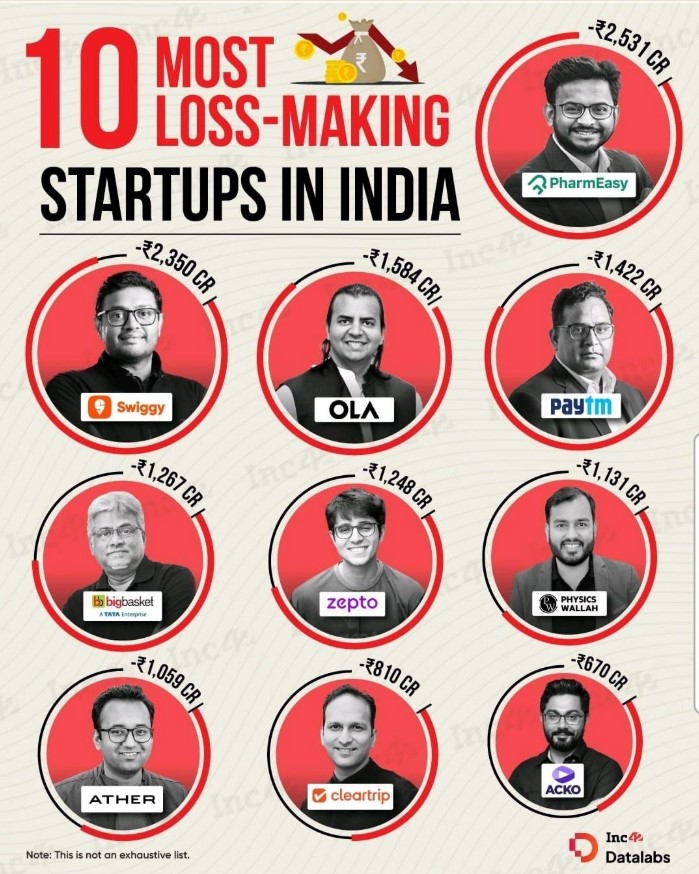
And what did many VCs say?
“Don’t worry, this is part of blitzscaling!”
But ask any Marwari or Gujarati businessman, and he’ll just shake his head and say one word:
“Dhandha” — meaning real business.
🧠 Dhandha Is Not Just Business, It’s a Philosophy
In Marwari and Gujarati circles, business isn’t about hype, pitch decks, or burn rate.
It’s about timeless rules:
✅ Capital efficiency isn’t optional
✅ Growth without profit = disaster
✅ Cash in hand > vanity metrics
✅ Every rupee counts
✅ Bootstrap before you borrow
They believe in testing small before scaling big.
They don’t believe in “disrupting” — they believe in delivering.
Their motto?
Revenue is vanity. Profit is sanity. Cash is reality.
🏠 Real Wealth Is Built Silently
While Shark Tank India made words like CAGR, EBITDA, and burn rate popular in every Indian living room, our elders knew these ideas decades ago — just in a simpler form:
📌 “Kharcha kam, munafa zyada.” (Spend less, earn more.)
📌 “Na udhaar, na asmaan ke sapne.” (No unnecessary loans, no castles in the air.)
Family businesses in Kolkata, Ahmedabad, Surat — and even Bengaluru — follow this code. They’re not chasing unicorn status. They’re chasing sustainable success.
🚀 But Why Do Startups Burn So Much Cash?
Great question. Let’s understand it in simple terms:
1. Customer Acquisition Cost (CAC):
Startups spend crores just to get users on board — discounts, offers, ads. But if your customer doesn’t stay, it’s like filling a leaking bucket.
2. Performance Marketing:
Instagram ads, Google campaigns, influencer shoutouts — all burn money fast. If you don’t convert that into lasting revenue, it’s a loss.
3. Blitzscaling:
This means growing at any cost — even if you’re losing money every day — to crush competition. It’s high risk, high drama, and often… low returns.
🧾 Is There a Future in Burning Money?
Short-term? Maybe.
Long-term? Risky.
Some founders justify it as an “investment” in market capture. But if that market never becomes profitable… the fire keeps burning.
Eventually, they have to learn the hard way:
Profit is not optional.
💡 What Startups Can Learn from Traditional Dhandha
- Bootstrap first, raise later.
Build something valuable before asking for crores. - Focus on margin, not just market share.
You can’t pour from an empty cup. - Respect money.
A rupee saved is a rupee earned. - Don’t be ashamed of slow growth.
Slow + steady > Fast + gone
🧭 Final Thought
While the startup world celebrates unicorns and burn rates, it’s time we look back at the quiet strength of India’s family businesses.
They didn’t need investor decks.
They didn’t need reality shows.
They just followed principles that never expire.
So maybe, the future isn’t just in disruption.
Maybe it’s in Dhandha — the old-school Indian way of doing real, profitable business.
💬 What do you think? Should startups learn to blend tradition with tech? Or is it time to reboot our idea of success itself?
Drop your thoughts below. 👇
Comments

Hi, I’m Nishanth Muraleedharan (also known as Nishani)—an IT engineer turned internet entrepreneur with 25+ years in the textile industry. As the Founder & CEO of "DMZ International Imports & Exports" and President & Chairperson of the "Save Handloom Foundation", I’m committed to reviving India’s handloom heritage by empowering artisans through sustainable practices and advanced technologies like Blockchain, AI, AR & VR. I write what I love to read—thought-provoking, purposeful, and rooted in impact. nishani.in is not just a blog — it's a mark, a sign, a symbol, an impression of the naked truth. Like what you read? Buy me a chai and keep the ideas brewing. ☕💭 For advertising on any of our platforms, WhatsApp me on : +91-91-0950-0950 or email me @ support@dmzinternational.com