India-Pakistan Tensions After Operation Sindoor: What Happened, What to Expect, and How India Should Prepare
On the midnight of May 7, 2025, India carried out a bold military operation called Operation Sindoor, targeting nine major terrorist bases across Pakistan and Pakistan-occupied Kashmir. These strikes were a direct reply to the deadly terrorist attack in Pahalgam last month, which killed 26 innocent people. The Indian government confirmed that the attacks focused only on terrorist camps, destroying training centers, ammunition depots, and hideouts belonging to terror groups that have long planned attacks on India.
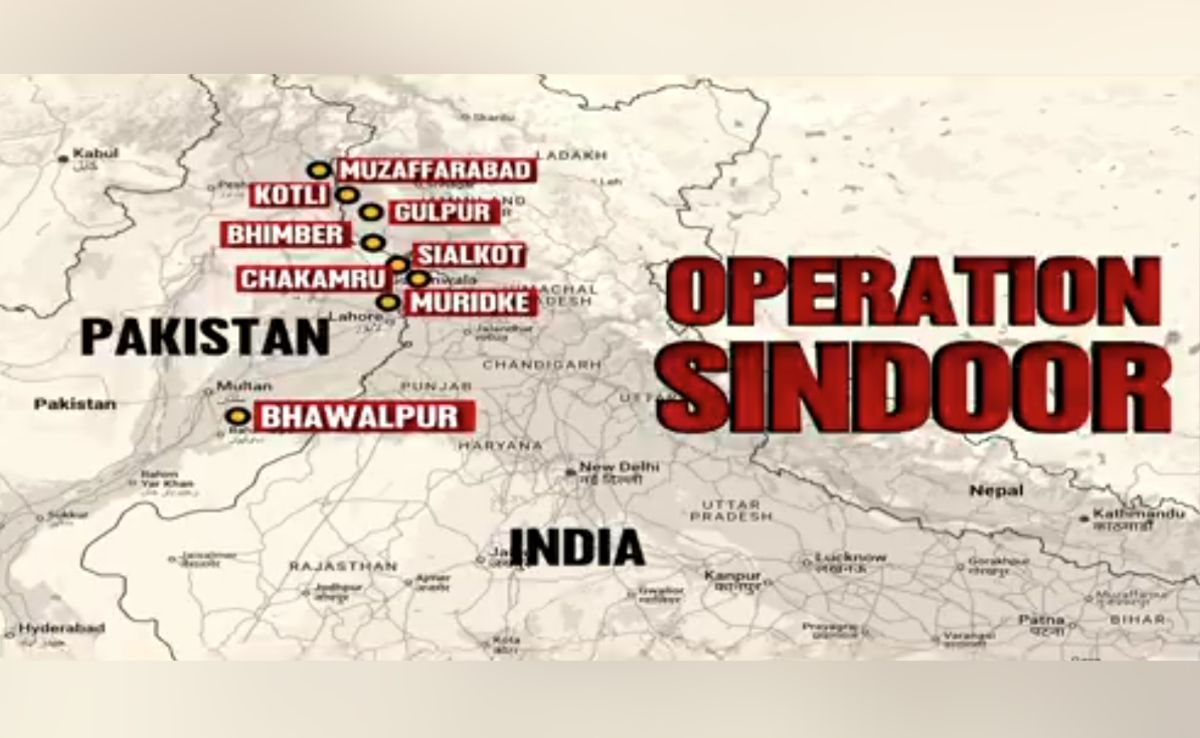
In a major blow to terrorism, 10 family members of Masood Azhar, the founder of Jaish-e-Mohammed (JeM), were killed in Indian airstrikes on the group’s terror headquarters in Bahawalpur, Pakistan, under “Operation Sindoor.” Masood Azhar, who became infamous after being freed during the 1999 Indian Airlines hijacking, is a UN-designated global terrorist linked to many attacks on India, including Pulwama. This strike, which also killed key JeM associates, is seen as a strong message from India against cross-border terrorism, aiming to weaken JeM’s leadership and prevent future attacks.
Now the big question arises: What will Pakistan do next? And what should India and its citizens expect?
What Did India Target and Why?
India hit nine important terror hubs that have a long history of promoting terrorism in Jammu and Kashmir. The major locations attacked were:
- Bahawalpur – Headquarters of Jaish-e-Mohammed, linked to several deadly attacks including the Pulwama attack in 2019.
- Muridke – Main base of Lashkar-e-Taiba, the group behind the 2008 Mumbai attacks.
- Muzaffarabad and Kotli – Centers of Hizbul Mujahideen activity in Pakistan-occupied Kashmir.
- Manshera, Dera Ghazi Khan, Balakot, Rawalakot, and Khyber region – Known for training and sheltering militants.
Many of these old terrorist groups have changed their names in recent years to escape global monitoring but continue the same activities. For example:
- Lashkar-e-Taiba (LeT) now operates under the name The Resistance Front (TRF).
- Jaish-e-Mohammed (JeM) has links with a new name People’s Anti-Fascist Front (PAFF).
These new names help them show a political or resistance image but their goal remains the same: to create terror in Jammu and Kashmir and across India.
India’s strikes were based on precise intelligence to destroy these terror bases before they could plan more attacks. Indian authorities have confirmed that no civilian areas or religious places were targeted, despite Pakistan’s claims.
Pakistan’s Reaction So Far
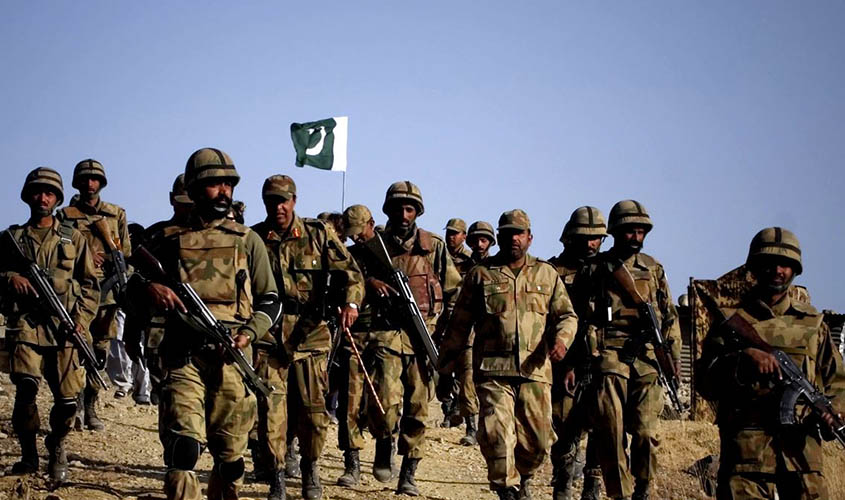
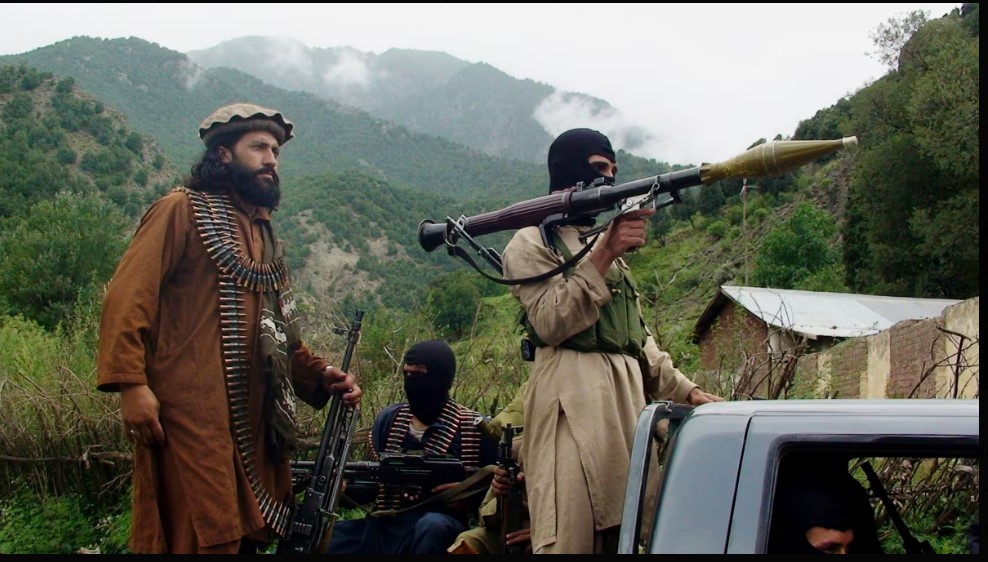
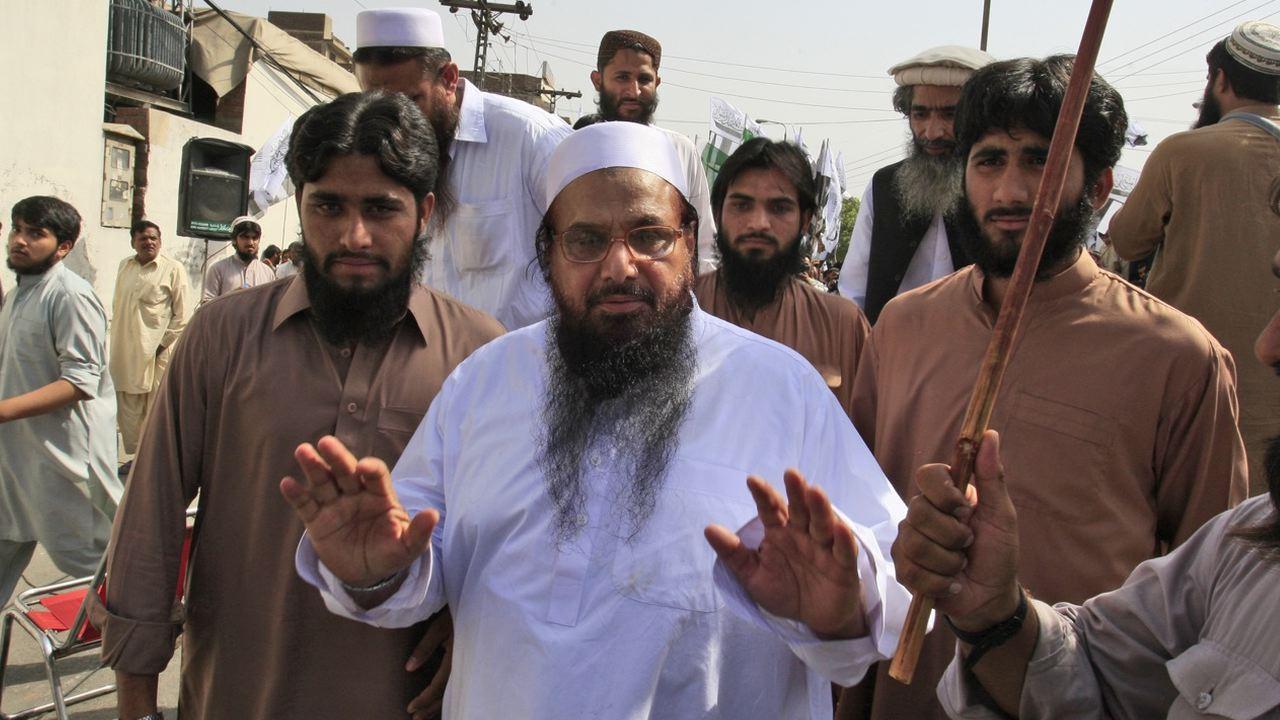
As expected, Pakistan’s military, which controls most of Pakistan’s security decisions, has reacted aggressively. The Pakistan Army declared a state of high alert. Fighter jets have been deployed across Pakistani airbases, and soldiers have been moved closer to the Line of Control (LoC).
Pakistan has already started cross-border shelling in Jammu and Kashmir, targeting Indian military posts and civilian villages near the border. There are reports that Pakistan also launched a few missile attacks on Indian-administered Kashmir, claiming they hit military installations.
Pakistan is also trying to gather international sympathy by alleging that civilians, including women, children, and even a mosque were targeted by Indian missiles. But till now, no international agency or independent media has confirmed these claims. India has strongly denied them, stating that only terror camps were targeted.
What Can Pakistan Do Next?
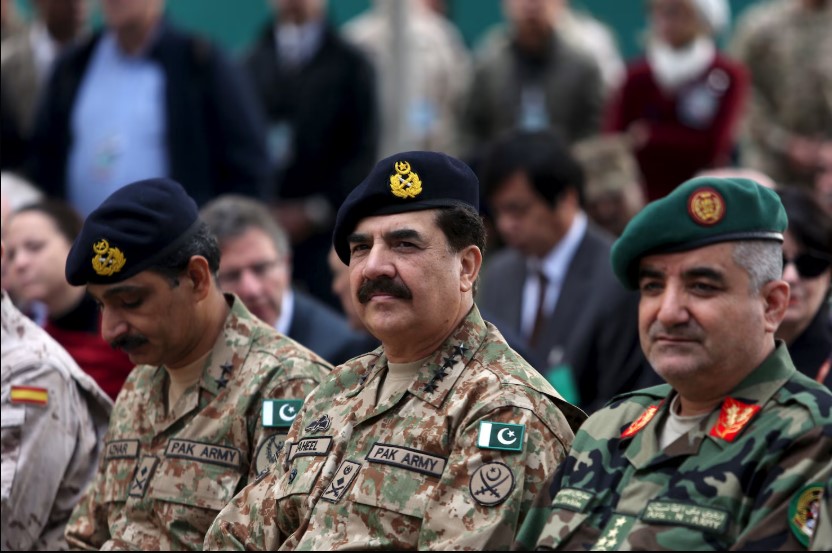
Looking at Pakistan’s history and current situation, here’s what India can expect:
- Increased Cross-Border Firing and Shelling: Pakistan may continue heavy firing across the LoC to provoke India and create panic in border villages.
- Attempts at Terror Infiltration: Pakistan may try to send more militants across the border to carry out attacks inside India, especially in Jammu and Kashmir.
- Cyber Attacks: Pakistan’s cyber units may try to hack Indian websites, infrastructure, or even spread fake news to create fear or confusion.
- Propaganda and International Pressure: Pakistan will continue spreading stories about civilian casualties to gain sympathy at the United Nations and from Muslim-majority countries.
- Limited Air Strikes: Although unlikely, Pakistan may try to launch an air strike in response, similar to its action after the Balakot strikes in 2019.
However, experts believe Pakistan’s options are limited. The country is already facing economic collapse, political instability, and international isolation. A large-scale war is unlikely because Pakistan knows it cannot match India’s military strength.
What Should India Do Now?
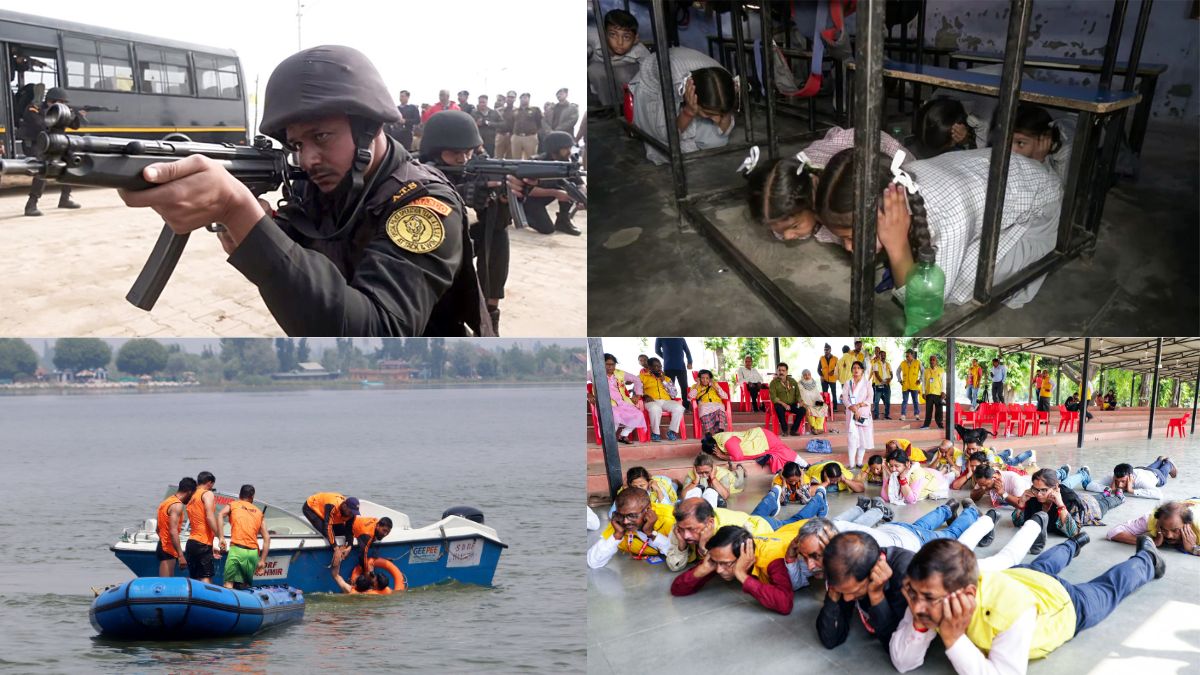
India’s defence forces are already on high alert. The government has launched nationwide mock drills to prepare civilians and agencies for any emergencies. Blackout drills and civil defence exercises are happening in major cities to simulate possible attacks and practice emergency responses.
The Indian Air Force, Army, and Navy are fully prepared to counter any retaliation. But citizens also have a role to play in being vigilant and ready.
Here’s what every Indian should know and do:
✅ Stay Updated: Follow official government announcements from the Defence Ministry or Home Ministry. Avoid believing or spreading unverified news from WhatsApp or social media.
✅ Emergency Supplies: Keep a basic emergency kit at home, including water, dry food, medicines, flashlight, battery backup, and first aid supplies.
✅ Know Blackout Procedures: If your area is included in a blackout drill, understand how to switch off unnecessary lights and stay safe indoors.
✅ Report Suspicious Activities: If you notice any suspicious behavior or unknown people in sensitive areas, report it to local authorities immediately.
✅ Avoid Border Areas: Avoid traveling to border regions or high-alert zones until the situation improves.
✅ Don’t Panic: India’s military is fully capable and has superior technology, experience, and global support. Panic will only create unnecessary chaos.
What Is the World Saying?
So far, international leaders have urged both India and Pakistan to avoid further escalation. The United States President Donald Trump has called the situation “unfortunate” and encouraged both countries to return to dialogue. The United Nations Secretary-General appealed for maximum restraint.
No major country has directly supported Pakistan’s version of events. In fact, many nations agree that India has the right to defend itself from terrorism as long as it avoids civilian harm.
Conclusion: Stay Strong, Stay Prepared
Operation Sindoor was a significant message from India to terrorist groups and their sponsors in Pakistan that the time for silent tolerance is over. By targeting nine key terror bases, India has reduced the ability of these groups to launch future attacks.
Pakistan’s response may continue in the form of cross-border firing or propaganda, but a full-scale war is unlikely because of economic, diplomatic, and military factors.
As Indians, we must stand united, support our armed forces, avoid spreading rumors, and stay prepared without panic. With strong leadership, military strength, and international backing, India is ready to face any challenge while pushing for peace and security.
Comments

Hi, I’m Nishanth Muraleedharan (also known as Nishani)—an IT engineer turned internet entrepreneur with 25+ years in the textile industry. As the Founder & CEO of "DMZ International Imports & Exports" and President & Chairperson of the "Save Handloom Foundation", I’m committed to reviving India’s handloom heritage by empowering artisans through sustainable practices and advanced technologies like Blockchain, AI, AR & VR. I write what I love to read—thought-provoking, purposeful, and rooted in impact. nishani.in is not just a blog — it's a mark, a sign, a symbol, an impression of the naked truth. Like what you read? Buy me a chai and keep the ideas brewing. ☕💭 For advertising on any of our platforms, WhatsApp me on : +91-91-0950-0950 or email me @ support@dmzinternational.com