
Abdul Rauf Azhar: The Shadow Mastermind of Terror Who Finally Met His Fate
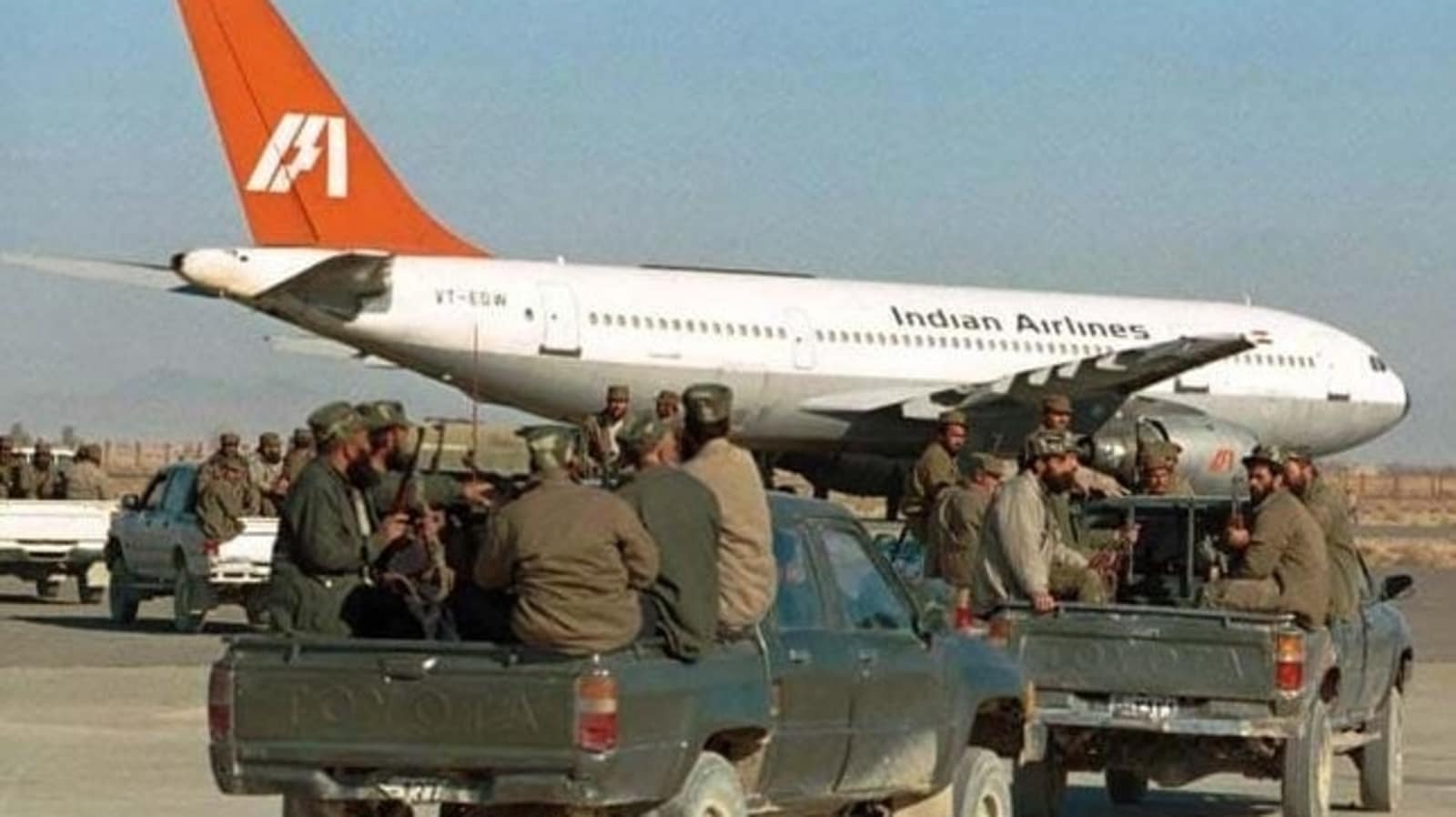
Abdul Rauf Azhar, the younger brother of the notorious Masood Azhar, wasn’t just another name on India’s most-wanted list. He was the silent brain behind some of the bloodiest chapters in India’s modern history. The man who pulled the strings from the shadows. The man responsible for orchestrating the hijacking of Indian Airlines Flight IC-814 in 1999, forcing India to bend its knees to release terrorists in Kandahar, Afghanistan. Yes, he was the key architect of that disgraceful deal which made every Indian question the price we pay for human lives.
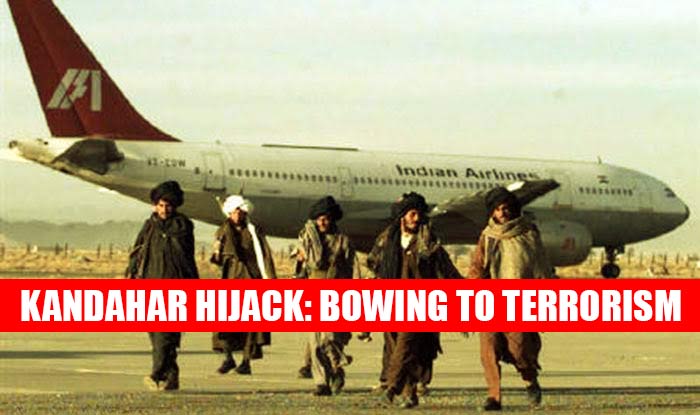
Unlike his loudmouth brother Masood Azhar, Abdul Rauf preferred to stay under the radar, silently mobilizing Jaish-e-Mohammed’s terror networks. From planning suicide bombings to directing infiltration across the border, his fingerprints were all over countless terror plots against India. He didn’t just stop at Kandahar. He mentored a generation of new terrorists, expanded terror camps, and coordinated with Pakistan’s ISI to keep Kashmir burning.
And now, after decades of running his terror factory from Pakistan’s Bahawalpur, India’s precision airstrikes under Operation Sindhoor finally hunted him down on May 7, 2025. According to Indian defense sources, Abdul Rauf Azhar was among the high-value targets neutralized when Indian Air Force carried out surgical strikes across nine terror hubs deep inside Pakistan, including his operational base. He was taken down with ten other close aides and family members of Masood Azhar, delivering a brutal blow to the JeM leadership.
This wasn’t just another symbolic airstrike. This was a message written in fire and steel.
The Price of Pahalgam: India’s Roaring Revenge
The operation was triggered after the brutal killing of 26 Hindu tourists in Pahalgam, Jammu and Kashmir, in April 2025, an attack claimed by JeM and its splinter groups. Enough was enough. For too long, India had shown restraint. This time, the gloves were off.
Indian fighter jets, armed with precision-guided missiles, pounded terrorist infrastructures in Bahawalpur, Muridke, and other Pakistani strongholds. Targets were carefully selected to hit terrorists and their command centers, avoiding civilian zones. The message was loud and clear: harbor terrorists, and you will burn alongside them.
Pakistan’s Desperate Retaliation: A Miscalculated Move
In the wake of India’s powerful strikes, Pakistan retaliated in panic. In a reckless move, Pakistan launched missile and drone strikes aimed at Indian defense installations along the border and near Jammu. Some drones even attempted to breach deeper but were neutralized by India’s air defense systems. Pakistan claimed it shot down five Indian jets and 12 drones, but India categorically denied these tall claims as desperate propaganda.
In a bold counter, India struck back at Pakistani military and terror-related assets near Lahore and other border areas, escalating the confrontation. Defense sources confirmed India’s retaliatory strikes were measured, strategic, and avoided direct attacks on Pakistan’s civilian population, but aimed at terror logistics and backup facilities supporting militant activities.
A War-Like Standoff: Tensions at Boiling Point
Following these exchanges, artillery duels intensified along the Line of Control, with civilians sadly caught in the crossfire on both sides. Pakistani forces reportedly began evacuating some forward positions fearing deeper Indian incursions.
Pakistan’s Prime Minister Shehbaz Sharif, visibly rattled, called India’s strikes an act of war. But the irony couldn’t be starker. A country that has sheltered terrorists for decades is now crying foul when its own terror monsters come home to roost. Even Nawaz Sharif, his elder brother and former Prime Minister, reportedly warned him not to escalate tensions with India, fearing international isolation and economic collapse.
Meanwhile, global powers are urging restraint, but India’s position is firm. There can be no peace as long as terror camps operate with state support inside Pakistan.
The Beginning of the End for JeM?
With Abdul Rauf Azhar eliminated and Jaish-e-Mohammed’s leadership decimated in the strikes, the terror outfit faces its biggest existential crisis since its formation. Pakistan’s ISI will scramble to find replacements, but the ideological and operational vacuum left by Abdul Rauf’s death won’t be easy to fill.
India’s defense forces have already warned of possible retaliatory terror attacks and are on high alert across major cities. Meanwhile, Pakistan’s fragile economy, battered by inflation and political chaos, is ill-equipped to handle another military escalation.
This isn’t just a clash of armies. This is a battle of wills. And India has shown that our patience has limits, but our resolve has no end.
For every life lost at the hands of terrorists, India will strike back harder, faster, and deeper. The days of turning the other cheek are over.
Jai Hind.
Comments

Hi, I’m Nishanth Muraleedharan (also known as Nishani)—an IT engineer turned internet entrepreneur with 25+ years in the textile industry. As the Founder & CEO of "DMZ International Imports & Exports" and President & Chairperson of the "Save Handloom Foundation", I’m committed to reviving India’s handloom heritage by empowering artisans through sustainable practices and advanced technologies like Blockchain, AI, AR & VR. I write what I love to read—thought-provoking, purposeful, and rooted in impact. nishani.in is not just a blog — it's a mark, a sign, a symbol, an impression of the naked truth. Like what you read? Buy me a chai and keep the ideas brewing. ☕💭 For advertising on any of our platforms, WhatsApp me on : +91-91-0950-0950 or email me @ support@dmzinternational.com