
The Price of Love: Why Sending Money to India from US Might Soon Cost NRIs 5% More
💸 In a world where global movement is the norm and family ties transcend borders, sending money home shouldn’t feel like paying a penalty for love. But a new proposal by the U.S. government threatens to do exactly that — levy a 5% tax on all outward remittances by NRIs to India.
If passed, this tax will take effect from the next fiscal year, and suddenly, what once felt like a heartfelt support system could become a financial burden. The implications? Far-reaching. The emotion? Outrage mixed with anxiety.
🔍 What’s Actually Happening?
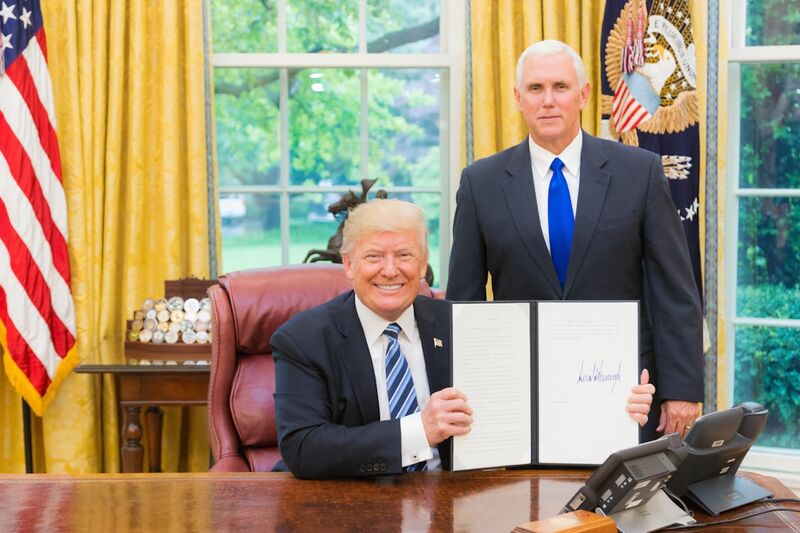
Here’s a breakdown of the key points of the proposed U.S. tax on remittances to India:
- A flat 5% tax on all money transfers made by NRIs to India, regardless of the purpose.
- Applies to every form of remittance: family support, loan repayments, wedding expenses, healthcare, education – everything.
- Expected timeline:
- House vote by May 26, 2025
- Likely to become law by July 4, 2025
- Potential tax cost:
- $100,000 → $5,000 tax
- $10,000 → $500 tax
🇮🇳 Why This Hurts India Deeply
India is the world’s largest recipient of remittances, receiving over $125 billion annually from its diaspora. These aren’t luxury fund flows. They fund children’s education, pay hospital bills, support retired parents, and stabilize local economies in Tier II and Tier III towns.
Taxing this isn’t just unfair — it’s unethical. It turns a financial lifeline into a taxed transaction.
And here’s the real kicker: These remittances are already taxed in the sender’s income tax in the U.S. Why should it be taxed again on its way out?
🧠 What Can NRIs Do Now?
If you’re an NRI or planning to be one, this is a wake-up call. But you’re not powerless. Here’s what smart NRIs are already doing or should start considering:
1. Timing Your Transfers
If the bill passes, get your large transfers in before the law takes effect (tentatively July 2025). Beat the clock, save the 5%.
2. Splitting Large Amounts
Rather than sending large one-time transfers, consider spreading them across months or family members to reduce the perception of ‘bulk’ transfers.
3. Explore Transfer Alternatives
Use blockchain-based remittance services or gift card platforms that can sometimes bypass traditional fees and regulations (but check legality and compliance!).
4. Tap Into Tax Treaties
India and the U.S. have a Double Taxation Avoidance Agreement (DTAA). A qualified tax consultant can help check if this 5% levy violates any treaty clauses.
5. Consult Financial Experts
It’s time to involve experts who understand cross-border finance and global taxation law. This is not the moment for DIY Google research.
🌐 Will This Law Definitely Be Implemented?
Not necessarily. The current proposal is still awaiting a vote in the U.S. House of Representatives. It must pass both the House and the Senate and receive presidential assent. Given its potential to disrupt financial relations with key countries (India being a major one), there’s still room for lobbying, protests, and political pushback.
The Indian government may also intervene diplomatically, especially considering the size of the Indian diaspora in the U.S. — over 4.4 million and counting.
But let’s be honest — hoping it doesn’t pass is not a strategy. Preparing for the worst while advocating for the best is the smarter move.
🇺🇸 The Bigger Picture: Why Is the U.S. Doing This?
This isn’t just about India. The U.S. government is looking to:
- Crack down on money laundering
- Track undocumented transfers
- Raise revenue without increasing domestic taxes
- Encourage money to stay within the U.S. economy
NRIs have become soft targets — law-abiding, emotionally-driven, and less likely to protest compared to domestic voters.
🧨 Final Thought: Is This the Beginning of a Global Trend?
Possibly. As governments across the world struggle with inflation, deficits, and post-pandemic recovery, more countries may target cross-border remittances.
This means India should prepare too. If similar taxes get introduced in Canada, the UAE, or Europe, where large numbers of Indians work, India’s economy could lose billions in remittances — and millions of families would suffer.
🛡️ What Should India Do?
- Push back diplomatically: Strong lobbying with the U.S. to exempt family remittances.
- Create incentives for NRIs to use Indian channels and apps like UPI-NRI linkage.
- Offer tax rebates or matching schemes to retain incoming remittances.
- Partner with global fintechs to build seamless, low-cost transfer systems.
🔚 Conclusion: Don’t Tax Our Love
For most NRIs, sending money home isn’t just a transaction — it’s an expression of love, duty, and identity.
Taxing it doesn’t just hit the wallet — it breaks a bond.
If this law passes, it could redefine the emotional economy of Indian families scattered across continents. And that’s something no legislation should be allowed to touch.
Let’s stay informed. Let’s stay ready.
Because remitting isn’t a crime. It’s a commitment.
Comments

Hi, I’m Nishanth Muraleedharan (also known as Nishani)—an IT engineer turned internet entrepreneur with 25+ years in the textile industry. As the Founder & CEO of "DMZ International Imports & Exports" and President & Chairperson of the "Save Handloom Foundation", I’m committed to reviving India’s handloom heritage by empowering artisans through sustainable practices and advanced technologies like Blockchain, AI, AR & VR. I write what I love to read—thought-provoking, purposeful, and rooted in impact. nishani.in is not just a blog — it's a mark, a sign, a symbol, an impression of the naked truth. Like what you read? Buy me a chai and keep the ideas brewing. ☕💭 For advertising on any of our platforms, WhatsApp me on : +91-91-0950-0950 or email me @ support@dmzinternational.com