A Blueprint for Fashion Brands to Create Unrivaled Brand Loyalty and Appeal like Apple Products
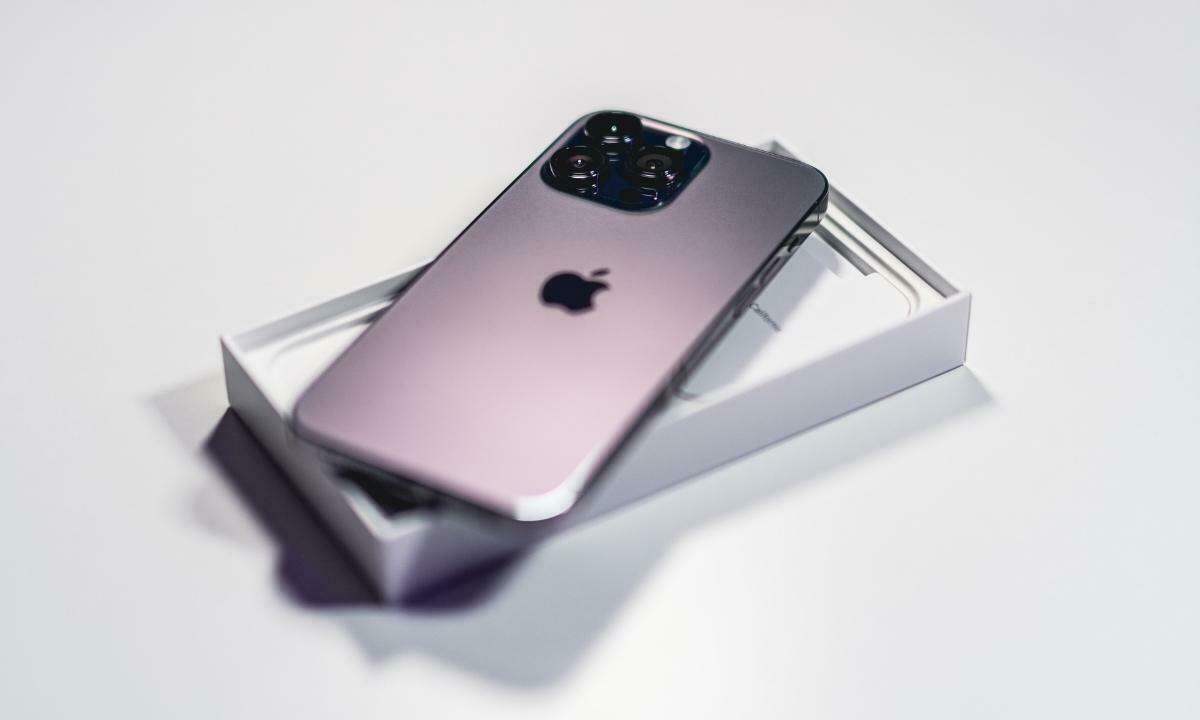
Creating a fashion brand with the level of success and brand loyalty seen in Apple products requires a combination of innovative branding strategies, product excellence, and a deep understanding of your target audience. Drawing parallels between Apple products and fashion brand items might appear as comparing apples to oranges, but we’ll delve into how this intriguing comparison can indeed be made. Below, I’ll outline a case study and research key factors that contribute to Apple’s success, along with how we can apply similar principles to our fashion brands:
Case Study: Apple Inc.

1. Product Excellence:
– Quality and Design: Apple products are renowned for their superior quality and sleek design. They invest heavily in research and development to create products that are not only technologically advanced but also aesthetically pleasing.
– User Experience: Apple places a strong emphasis on user experience. Their products are intuitive, easy to use, and offer a seamless integration of hardware and software.
2. Branding Strategies:
– Consistency: Apple maintains a consistent brand image across all touchpoints, from product design to marketing. Their minimalist, clean, and user-friendly design philosophy extends to their packaging, website, and retail stores.
– Storytelling: Apple tells compelling stories about their products, focusing on how they can enhance people’s lives. Their marketing campaigns often evoke emotions and a sense of belonging to a community of Apple users.
– Cult of Personality: The late Steve Jobs played a significant role in shaping Apple’s brand identity. His charisma, vision, and attention to detail became synonymous with the brand.
3. Customer Engagement and Community Building:
– Product Launch Events: Apple’s product launch events generate immense buzz and excitement. They use these events to engage with their audience, create anticipation, and showcase their products’ capabilities.
– User Communities: Apple encourages user communities and forums where customers can share their experiences, troubleshoot issues, and offer support to each other.
– Customer Support: Apple provides exceptional customer support, reinforcing their commitment to customer satisfaction.
4. Pricing Strategy:
– Perceived Value: Apple positions its products as premium, and their pricing reflects this. However, the perceived value often surpasses the price, thanks to product excellence, design, and brand loyalty.
– Upgradability: Apple offers a range of products and services, allowing customers to enter the ecosystem at various price points and upgrade over time.
5. Ecosystem Integration:
– Ecosystem Lock-In: Apple creates a closed ecosystem where their products and services work seamlessly together. Once a customer invests in one Apple product, they are more likely to stick with the brand to maintain compatibility.
– Services: Apple’s services like iCloud, Apple Music, and the App Store further cement customer loyalty by providing added value.
6. Market Research:
– Understanding Customer Needs: Apple conducts extensive market research to understand what their customers want, and they prioritize user feedback in product development.
Applying Similar Principles to a Fashion Brand:
1. Product Excellence:
– Quality: Invest in high-quality materials and craftsmanship to ensure your fashion products stand out.
– Design: Create unique, aesthetically pleasing designs that resonate with your target audience.
2. Branding Strategies:
– Consistency: Maintain a consistent brand image in your product designs, packaging, and marketing materials.
– Storytelling: Tell compelling stories about your brand’s values, mission, and the impact your products have on people’s lives.
– Cultivate a Brand Ambassador: Identify a brand ambassador who embodies your brand’s ethos and values.
3. Customer Engagement and Community Building:
– Events and Collaborations: Host fashion shows, collaborations, or pop-up events to engage with your customers.
– Online Community: Build an online community where customers can share their fashion experiences and style tips.
– Customer Support: Provide excellent customer support to address concerns and build trust.
4. Pricing Strategy:
– Perceived Value: Position your fashion products as premium and focus on delivering value beyond the price.
– Offer Variety: Offer a range of products to cater to different customer segments.
5. Ecosystem Integration:
– Collections and Accessories: Expand your product range to include accessories, footwear, and complementary items.
– Loyalty Programs: Create loyalty programs or memberships to reward repeat customers and encourage brand loyalty.
6. Market Research:
– Customer Feedback: Actively seek feedback from your customers to understand their preferences and needs, then incorporate these insights into your product development.
Success in branding your fashion brand like Apple products will require time, dedication, and a commitment to delivering exceptional products and experiences. Building a strong brand and cultivating customer loyalty will be an ongoing process, but with the right strategies, it is achievable.
Comments

Hi, I’m Nishanth Muraleedharan (also known as Nishani)—an IT engineer turned internet entrepreneur with 25+ years in the textile industry. As the Founder & CEO of "DMZ International Imports & Exports" and President & Chairperson of the "Save Handloom Foundation", I’m committed to reviving India’s handloom heritage by empowering artisans through sustainable practices and advanced technologies like Blockchain, AI, AR & VR. I write what I love to read—thought-provoking, purposeful, and rooted in impact. nishani.in is not just a blog — it's a mark, a sign, a symbol, an impression of the naked truth. Like what you read? Buy me a chai and keep the ideas brewing. ☕💭 For advertising on any of our platforms, WhatsApp me on : +91-91-0950-0950 or email me @ support@dmzinternational.com