
A Brutal Review: Comparing X (formerly Twitter) with Facebook, Instagram, Threads, WhatsApp, TikTok, and YouTube
In the ever-evolving landscape of social media platforms, X (previously known as Twitter) has recently undergone a significant rebranding. This blog post aims to provide a comprehensive review of X in comparison to other popular platforms such as Facebook, Instagram, Threads, WhatsApp, TikTok, and YouTube. Let’s dive into the features, user experience, and overall appeal of these platforms to determine how X holds up against its counterparts.
1. Facebook:
Facebook, a pioneer in the social media realm, offers a broad range of features, including status updates, media sharing, events, and groups. It boasts a vast user base and extensive advertising capabilities, making it a formidable competitor for X. However, X’s focus on real-time updates and concise messaging gives it a unique advantage in terms of timely information dissemination.
2. Instagram:
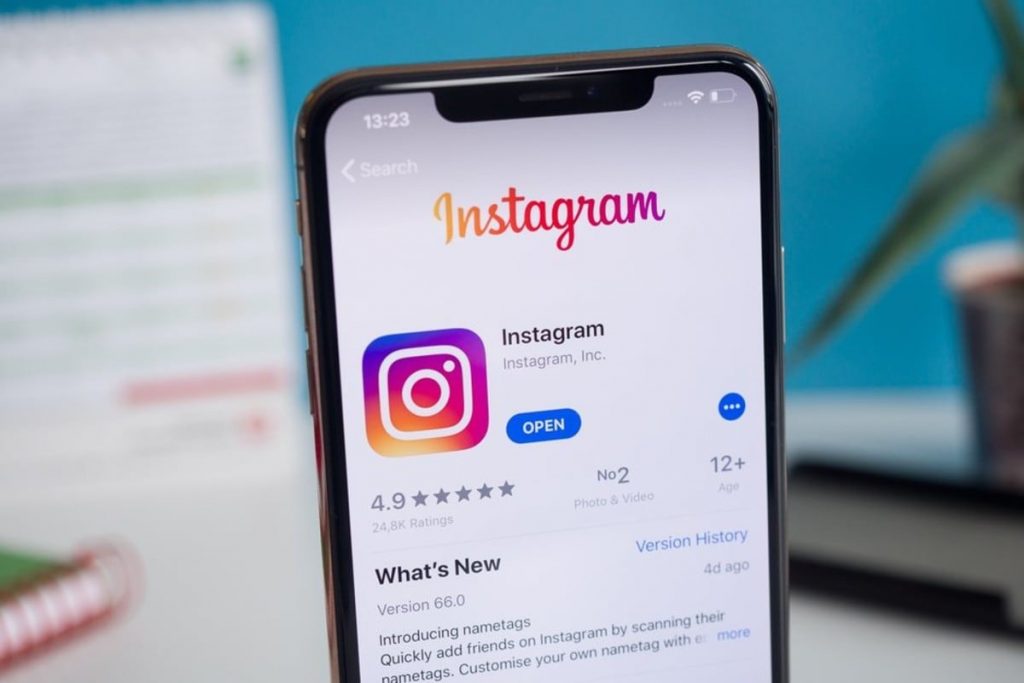
Instagram, known for its visual-centric approach, has gained immense popularity in recent years. With its emphasis on photo and video sharing, Instagram offers a more immersive experience for users. While X also supports media sharing, its strength lies in its ability to facilitate meaningful conversations and connect users through concise messages.
3. Threads:
Threads, a messaging app by Facebook, aims to provide a private space for close friends. It allows users to share photos, videos, and messages exclusively with their inner circle. X, on the other hand, fosters open discussions and encourages interaction with a wider audience. These distinct approaches cater to different social dynamics, making both platforms valuable in their respective niches.
4. WhatsApp:
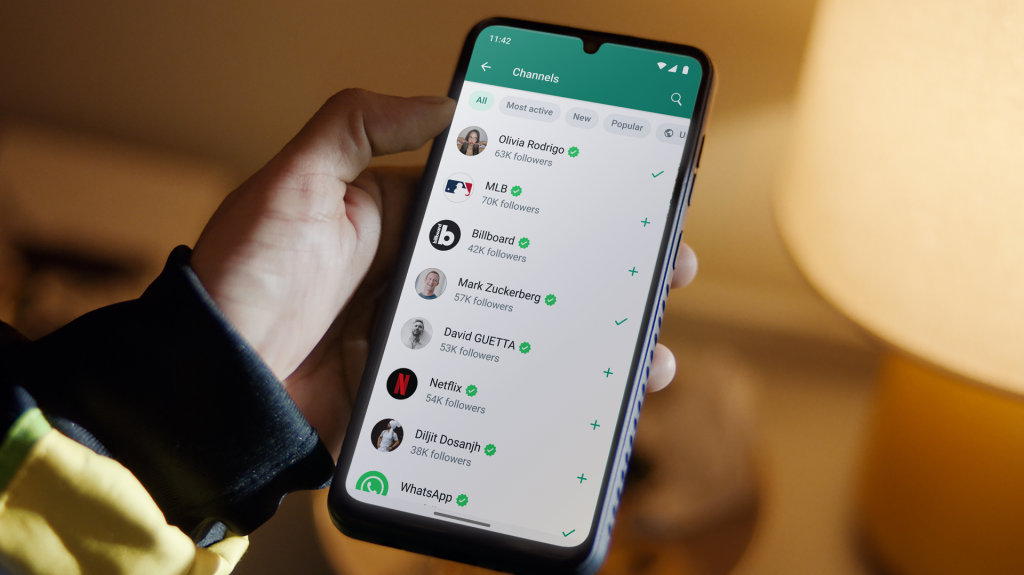
WhatsApp, a messaging app with end-to-end encryption, focuses on privacy and secure communication. X, although primarily a public platform, also offers direct messaging features that allow users to engage in private conversations. However, X’s strength lies in its ability to facilitate public discourse and promote the sharing of information on a larger scale.
5. TikTok:
TikTok, known for its short-form video content, has captured the attention of younger audiences worldwide. X, with its emphasis on brevity and real-time updates, aligns well with the fast-paced nature of TikTok. By leveraging its existing user base and incorporating video features, X has the potential to attract a wider range of content creators and users alike.
6. YouTube:
YouTube, the go-to platform for video content, offers a vast library of videos spanning various genres and topics. While X may not directly compete with YouTube in terms of long-form content, it can serve as a complementary platform for sharing video snippets and engaging with users in real-time discussions.
Conclusion:
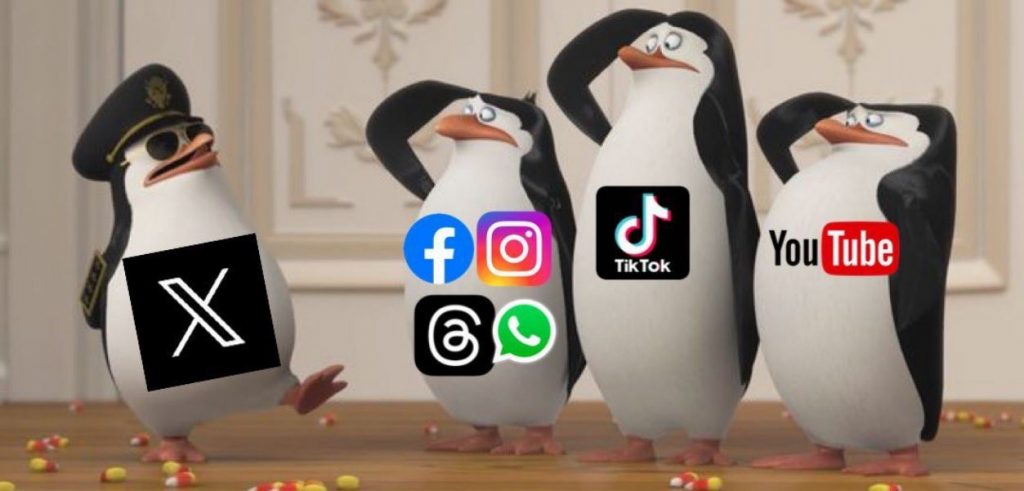
As X (formerly Twitter) embraces its new identity, it brings a unique set of features and strengths to the table. While it may not directly replicate the functionalities of Facebook, Instagram, Threads, WhatsApp, TikTok, or YouTube, X offers a distinct user experience centered around concise messaging, real-time updates, and information dissemination. Its ability to foster open discussions and connect users in meaningful ways sets it apart from its competitors, making X an exciting platform to watch as it continues to evolve and carve its own path in the realm of social media.
Comments

Hi, I’m Nishanth Muraleedharan (also known as Nishani)—an IT engineer turned internet entrepreneur with 25+ years in the textile industry. As the Founder & CEO of "DMZ International Imports & Exports" and President & Chairperson of the "Save Handloom Foundation", I’m committed to reviving India’s handloom heritage by empowering artisans through sustainable practices and advanced technologies like Blockchain, AI, AR & VR. I write what I love to read—thought-provoking, purposeful, and rooted in impact. nishani.in is not just a blog — it's a mark, a sign, a symbol, an impression of the naked truth. Like what you read? Buy me a chai and keep the ideas brewing. ☕💭 For advertising on any of our platforms, WhatsApp me on : +91-91-0950-0950 or email me @ support@dmzinternational.com