
From Celebrities to Craftsmanship: The Fascinating Story Behind Boutiques

A boutique is a small, specialized shop or store that offers unique and high-quality products, usually in the fashion and clothing industry. The name “boutique” originated from the French word “boutique,” which means a small shop or a store that sells fashionable or stylish items.
Specialties of a Boutique:

1. Unique and Exclusive Products: Boutiques often offer products that are not commonly found in larger retail stores. They focus on providing limited editions or handcrafted items, giving customers a sense of uniqueness.
2. Personalized Service: Boutiques emphasize personalized customer service, tailoring their offerings to meet individual preferences and needs.
3. High-Quality Products: Boutiques prioritize quality over mass production, offering premium materials and craftsmanship in their products.
4. Fashion Trends and Style: Boutiques are known for staying ahead of fashion trends, offering customers the latest styles and designs.
Target Customers of Boutiques:

Boutiques cater to a diverse range of customers, including:
– Fashion enthusiasts looking for unique and trendy clothing.
– Individuals seeking personalized outfits for special occasions.
– People who appreciate high-quality, handcrafted items.
Basic Features of a Boutique:

– Limited Size: Boutiques are typically smaller than regular department stores, allowing for a more intimate shopping experience.
– Unique Product Selection: Boutiques focus on offering carefully curated and exclusive collections.
– Personalized Attention: Customers receive more individual attention and assistance.
– Emphasis on Ambiance: Boutiques often have a well-designed interior to create a pleasant shopping atmosphere.
Famous Celebrities in India with Their Own Boutique Stores:

Several Indian celebrities have ventured into the boutique business, including:
– Shilpa Shetty (SS Apparel)
– Sussanne Khan (The Charcoal Project and Bandra 190)
– Ritu Kumar (Label Ritu Kumar)
– Neeta Lulla (Neeta Lulla Label)
– Manish Malhotra (Manish Malhotra Label)
Profitability of Running a Boutique:
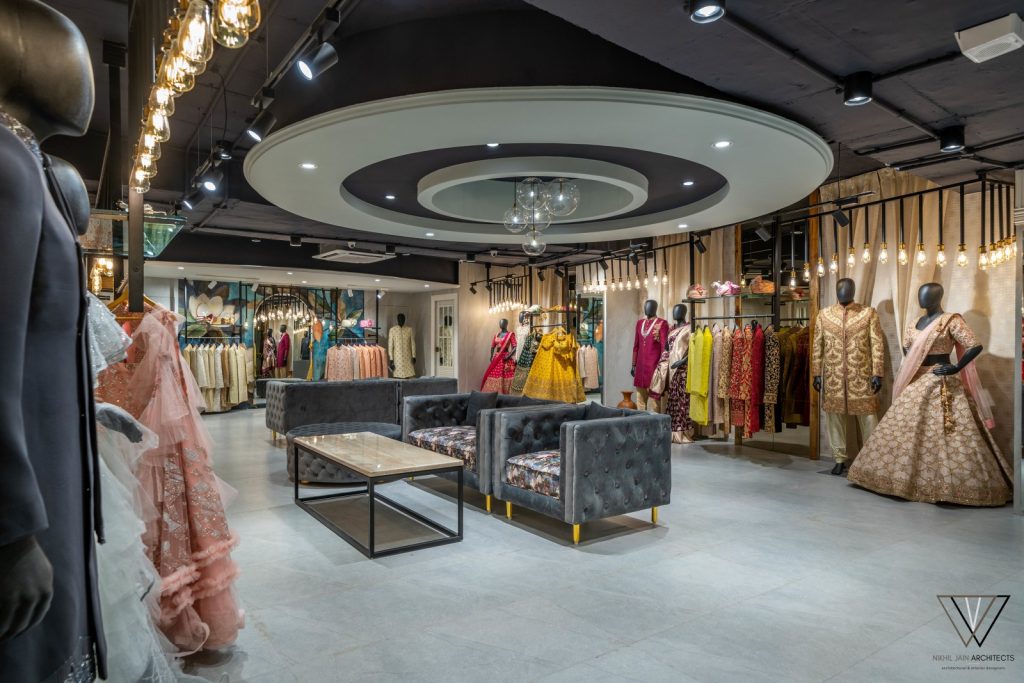
The profitability of a boutique business can vary based on various factors like location, product selection, target market, and operational efficiency. A well-managed boutique with a unique selling proposition can be profitable.
Boutiques in India:

The number of boutiques in India varies across states and cities. Cities like Mumbai, Delhi, Bangalore, and Kolkata tend to have more boutiques due to their cosmopolitan nature and higher fashion consciousness.
Expenses in Running a Boutique:

Expenses in running a boutique may include:
– Rent and utilities for the boutique space.
– Procurement of inventory and raw materials.
– Staff salaries and wages.
– Marketing and advertising costs.
– Store décor and maintenance expenses.
Machines Needed for a Boutique:

The machines required for a boutique primarily depends on the services they offer. Common machines include sewing machines, embroidery machines, fabric cutters, and ironing equipment.
Employment in a Boutique:

The number of employees in a boutique can vary based on the boutique’s size and services offered. Boutiques may employ fashion designers, tailors, sales staff, and administrative personnel.
Types of Clothing Sold by Boutiques:

Boutiques may offer:
– Ready-to-wear clothing designed and manufactured by the boutique itself.
– Custom-made clothing tailored to the individual’s preferences.
– Curated collections from other designers or manufacturers.
Services Offered by a Boutique:

– Personalized styling and fashion consulting.
– Custom tailoring and alteration services.
– Unique and exclusive clothing collections.
– Special occasion outfits and bridal wear.
– Fashion accessories like handbags, jewelry, and scarves.
Starting a Boutique:

To start a boutique, consider these steps:
1. Market Research: Identify your target audience, local fashion trends, and competitors.
2. Business Plan: Create a detailed business plan covering your boutique’s concept, budget, and marketing strategy.
3. Location: Choose a strategic location that aligns with your target market.
4. Suppliers and Inventory: Source suppliers for materials and products to be sold in the boutique.
5. Legalities: Register your business, obtain licenses, and comply with local regulations.
6. Interior and Ambiance: Design the boutique’s interior to create an appealing atmosphere.
7. Marketing and Promotion: Utilize social media, advertising, and events to promote your boutique.
Budget Needed for a Boutique:
The budget required to start a boutique can vary significantly based on the boutique’s size, location, and target market. It could range from a few lakhs to a substantial investment.
Local vs. Pan-India Sales:
Boutiques can choose to focus on local customers or operate online to reach customers across India or even globally.
Shipping and Social Media:

Many boutiques offer shipping services for their products. They also use social media platforms like Instagram, Facebook, Pinterest, and YouTube to showcase their collections, engage with customers, and market their products.
Customer Acquisition and Retention:
Boutiques attract customers through social media marketing, word-of-mouth referrals, and collaborations with influencers. Providing excellent customer service and unique products helps retain customers.
International Shipping and Profitability:
Some boutiques may offer international shipping, depending on their resources and logistics. The profitability of international shipping varies based on shipping costs, demand, and regulatory complexities.
Pros and Cons of Running a Boutique:

Pros:
– Opportunity to curate unique and exclusive collections.
– Personalized customer relationships.
– Flexibility to adapt to changing fashion trends.
– Creative expression through fashion.
Cons:
– Intense competition in the fashion industry.
– High initial setup costs and ongoing expenses.
– Market fluctuations and seasonal demands.
– Efforts required to attract and retain customers.
Please note that the boutique industry is dynamic. It’s essential to conduct further research and seek up-to-date information before starting or operating a boutique business.
Comments

Hi, I’m Nishanth Muraleedharan (also known as Nishani)—an IT engineer turned internet entrepreneur with 25+ years in the textile industry. As the Founder & CEO of "DMZ International Imports & Exports" and President & Chairperson of the "Save Handloom Foundation", I’m committed to reviving India’s handloom heritage by empowering artisans through sustainable practices and advanced technologies like Blockchain, AI, AR & VR. I write what I love to read—thought-provoking, purposeful, and rooted in impact. nishani.in is not just a blog — it's a mark, a sign, a symbol, an impression of the naked truth. Like what you read? Buy me a chai and keep the ideas brewing. ☕💭 For advertising on any of our platforms, WhatsApp me on : +91-91-0950-0950 or email me @ support@dmzinternational.com


