
“China Copies, India Laughs… But Who’s Really Playing the Smarter Game?”
Let’s start with an uncomfortable truth—Indians love making fun of China.
“Copycat nation.”
“Cheap products.”
“Breaks in two days.”
We’ve all heard it. We’ve all said it.

But here’s the twist:
What if China isn’t the joke… and we are just misunderstanding the game?
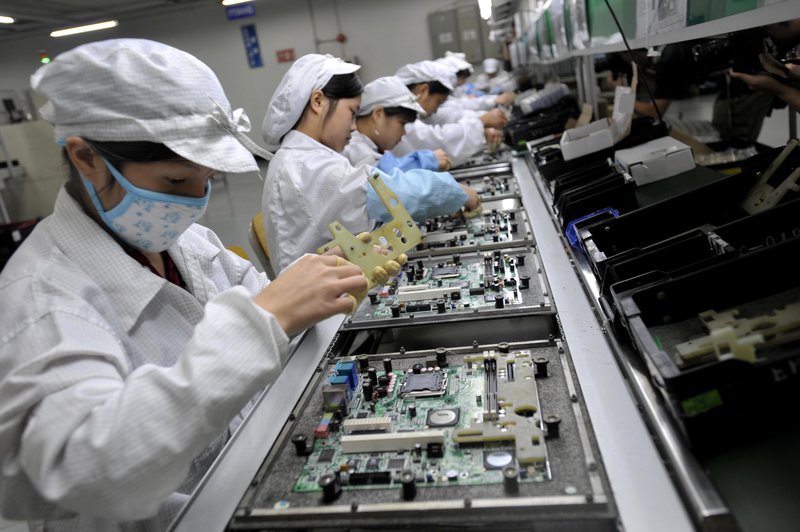
🏭 China Doesn’t Just Manufacture Products. It Manufactures Strategies.
China doesn’t randomly produce “cheap quality” goods.
It produces exactly what the market demands.
Let that sink in.
Same product.
Different countries.
Different quality.
Different pricing.
📦 One Factory. Three Versions.
- 🇺🇸 US / Europe Market → Premium quality, strict standards, higher margins
- 🇮🇳 India / South Asia → Budget-friendly, cost-optimized, lower durability
- 🌍 Global Mix → Mid-range variants
This isn’t incompetence.
This is surgical market segmentation.
China isn’t saying:
“Let’s dump low-quality stuff in India.”
China is saying:
“Let’s give each market exactly what it is willing to pay for.”
💸 The Brutal Truth About Bargaining Culture
Walk into most Indian markets and try this:
Ask for a ₹1000 product.
Customer response: “Final ₹500.”
Seller: “Okay ₹700.”
Customer: “₹550 or I walk.”
Deal closes at ₹600.
Now ask yourself:
Where did the ₹400 go?
Quality. Materials. Durability. Ethics.
⚖️ What India Wants vs What the West Wants
| Factor | India 🇮🇳 | US/Europe 🇺🇸🇪🇺 |
|---|---|---|
| Price Sensitivity | Extremely high | Moderate |
| Bargaining | Aggressive | Minimal |
| Quality Priority | Often secondary | Non-negotiable |
| Return Expectations | Low | Very high |
So China adapts.
Because China isn’t emotional.
China is transactional.
🧠 “Cheap Chinese Products” – Or Cheap Expectations?
We complain that Chinese products don’t last.
But here’s the question nobody asks:
👉 Did we pay for durability?
You cannot bargain a product to the bone…
and expect it to perform like a premium brand.
That’s like buying roadside biryani for ₹80 and expecting a 5-star buffet experience.
🤯 The Irony: India Copies Too (Just With Better PR)
Now comes the part nobody likes talking about.
While we mock China for copying…
India built billion-dollar startups doing exactly that.
📱 Some Familiar Names
- Ola → Inspired by Uber
- OYO → Inspired by Airbnb
- Zomato / Swiggy → Inspired by DoorDash, Grubhub
- Flipkart → Inspired by Amazon
And guess what?
👉 It worked.
👉 It created wealth.
👉 It built ecosystems.
And we celebrate it as “smart entrepreneurship.”
🤨 So Why Is China Mocked?
Because China copies products.
India copies business models.
One is visible.
The other is glorified.
But both follow the same principle:
Don’t reinvent the wheel. Scale it better.
🧩 China’s Real Genius: Controlled Perception
China has mastered something far more powerful than manufacturing:
Perception engineering.
- In India → “Cheap Chinese product”
- In Europe → “Affordable alternative to premium brands”
- In US → “OEM supplier behind top brands”
Same country.
Different reputation.
That’s not accidental.
That’s calculated positioning.
🔥 The Real Problem Isn’t China. It’s Us.
We want:
- Premium looks
- Budget pricing
- Immediate discounts
- Zero patience
And then we complain about quality.
China didn’t force this system.
We created the demand. China simply fulfilled it.
🚀 The Bigger Lesson for Indian Businesses
Instead of laughing at China, Indian brands should be asking:
👉 Why can’t we match that level of adaptability?
👉 Why don’t we segment products better?
👉 Why are we stuck between “cheap” and “premium” with no clarity?
China wins because it understands one thing deeply:
Markets don’t reward morality. They reward alignment.
⚡ Final Thought (Uncomfortable but Necessary)
Next time you see a ₹200 product and say:
“Typical Chinese quality.”
Pause.
Ask yourself:
👉 “If this was ₹2000… would I have still bought it?”
Because that answer reveals everything.
🧠 Conclusion
China isn’t just copying.
China is:
- Listening
- Adapting
- Segmenting
- Scaling
And most importantly…
China is giving people exactly what they ask for—even when they don’t realize what they’re sacrificing.
Meanwhile, we laugh.
While using copied apps.
Buying discounted products.
And expecting premium outcomes.
Maybe the smarter question isn’t:
“Why is China like this?”
But rather:
👉 “Why are we demanding this?”
Comments

Hi, I’m Nishanth Muraleedharan (also known as Nishani)—an IT engineer turned internet entrepreneur with 25+ years in the textile industry. As the Founder & CEO of "DMZ International Imports & Exports" and President & Chairperson of the "Save Handloom Foundation", I’m committed to reviving India’s handloom heritage by empowering artisans through sustainable practices and advanced technologies like Blockchain, AI, AR & VR. I write what I love to read—thought-provoking, purposeful, and rooted in impact. nishani.in is not just a blog — it's a mark, a sign, a symbol, an impression of the naked truth. Like what you read? Buy me a chai and keep the ideas brewing. ☕💭 For advertising on any of our platforms, WhatsApp me on : +91-91-0950-0950 or email me @ support@dmzinternational.com