
Circular Fashion: A Sustainable Revolution in the Fashion Industry
In recent years, there has been a growing awareness of the devastating impact that the fashion industry has on the environment. Fast fashion, characterized by its rapid turnover of trendy clothing at low prices, has become the norm, but at what cost? The production and disposal of clothing in this industry contribute to pollution, waste, and the depletion of natural resources. However, there is a new movement gaining momentum that offers a sustainable alternative: circular fashion. In this blog post, we will explore the concept of circular fashion, its benefits, and how it can revolutionize the way we consume and produce clothing.
Understanding Fast Fashion and its Consequences
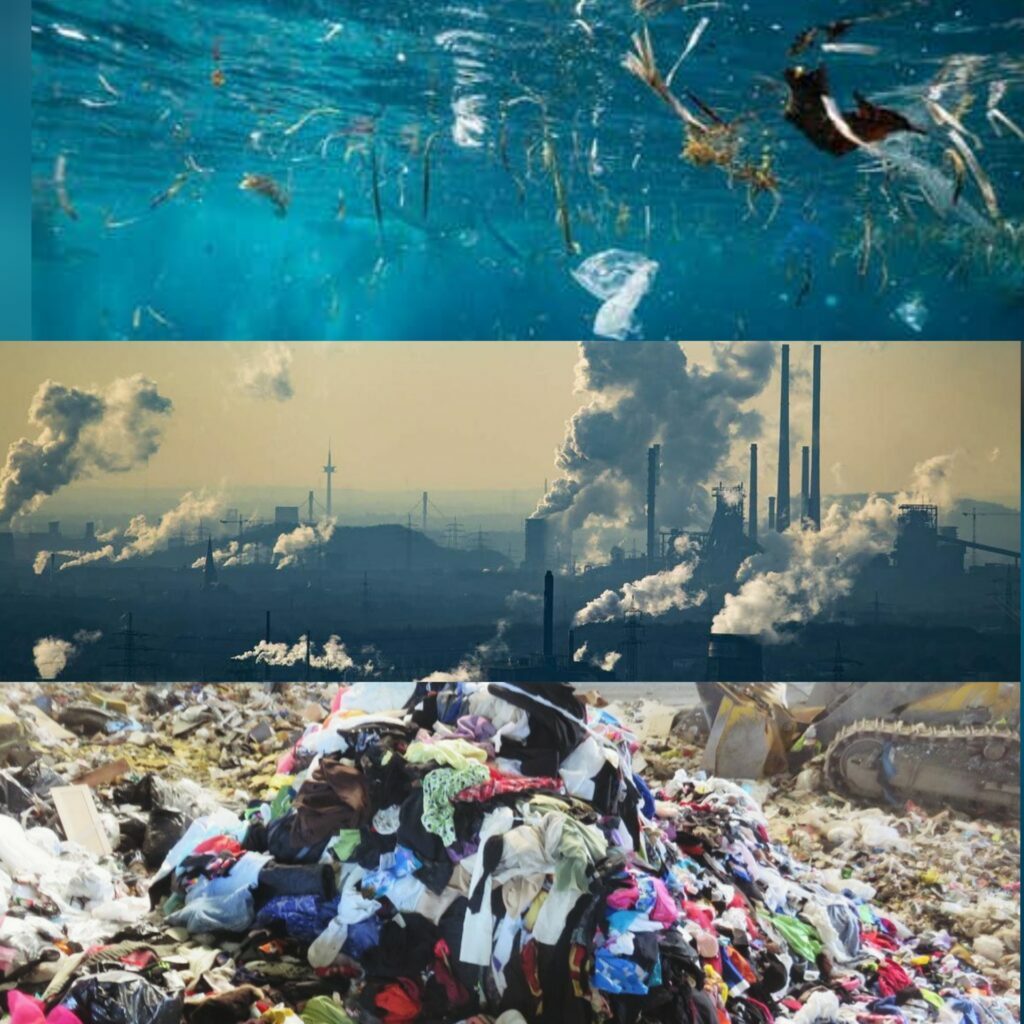
Fast fashion refers to the mass production of inexpensive clothing that is quickly designed and manufactured to meet the latest trends. This business model encourages consumers to buy more and more clothes, often wearing them for just a few times before discarding them. This cycle of rapid consumption leads to significant environmental and social consequences.
Environmental Impact
The fashion industry is one of the largest polluters in the world, second only to the oil industry. Fast fashion is responsible for a significant portion of this pollution. The production of clothing requires vast amounts of water, energy, and chemicals, which contribute to air and water pollution. Additionally, the disposal of clothing in landfills leads to further pollution and waste accumulation.
Social Impact
The fast fashion industry is notorious for its exploitative labor practices. Many garments are produced in low-wage countries where workers endure long hours, unsafe working conditions, and receive minimal pay. This unethical treatment of workers is a direct result of the fast fashion business model, which prioritizes profit over people.
Introducing Circular Fashion

Circular fashion offers a sustainable alternative to fast fashion. It is a regenerative system that aims to minimize waste and maximize resource efficiency throughout the entire lifecycle of a garment. The concept is based on three key principles: reduce, reuse, and recycle.
Reduce
The first step in embracing circular fashion is to reduce our consumption of clothing. This can be achieved by buying fewer, but higher quality, garments that are designed to last. By investing in timeless pieces that are durable and well-made, we can reduce the demand for fast fashion and decrease the overall environmental impact of the industry.
Reuse
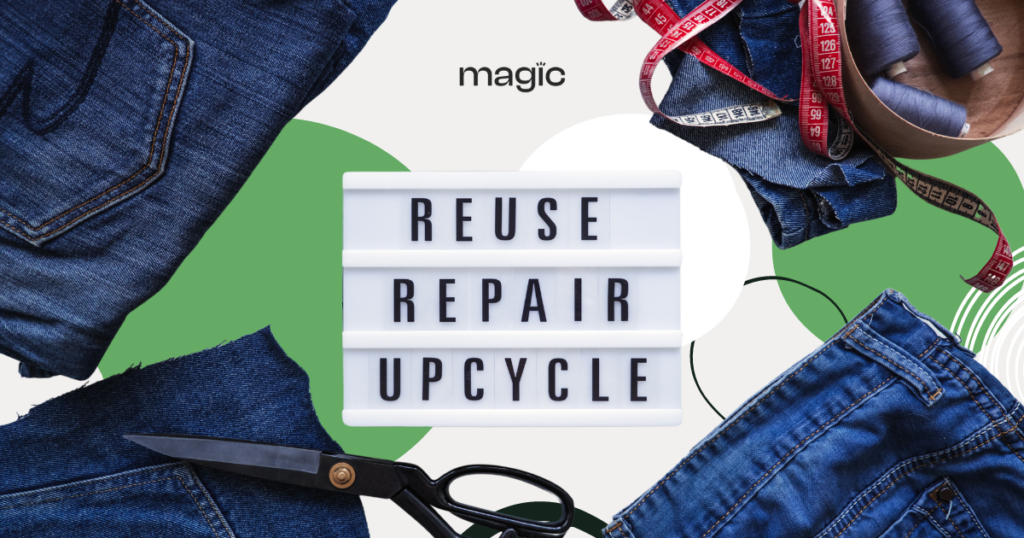
Circular fashion encourages the reuse and repurposing of clothing, extending their lifespan and reducing waste. This can be achieved through initiatives such as clothing swaps, vintage shopping, and upcycling. By giving new life to old garments, we can reduce the need for new production and minimize the amount of clothing that ends up in landfills.
Recycle
Recycling is an essential component of circular fashion. By recycling textile waste, we can create new materials and reduce the reliance on virgin resources. Innovative technologies are being developed to transform old garments into new fibers, yarns, and fabrics, closing the loop and creating a truly circular system.
The Benefits of Circular Fashion
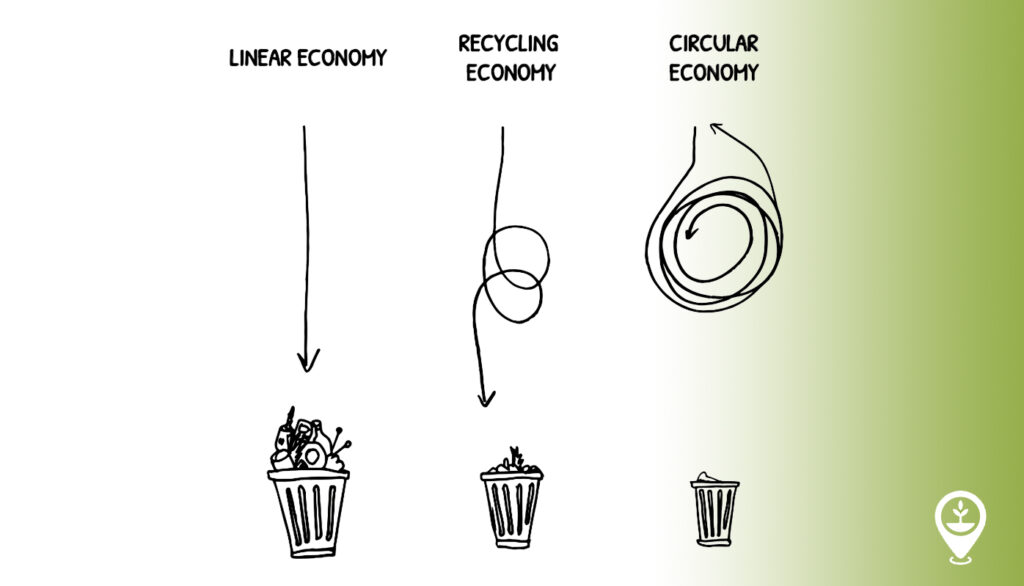
Circular fashion offers numerous benefits that go beyond environmental sustainability. Here are a few key advantages of embracing this approach:
Environmental Preservation
By reducing waste, minimizing resource consumption, and recycling materials, circular fashion helps protect the environment. It reduces pollution, conserves water and energy, and minimizes the extraction of raw materials. Embracing circular fashion can help mitigate climate change and preserve natural resources for future generations.
Economic Opportunities
Circular fashion presents significant economic opportunities. The shift towards a circular economy can create new jobs in recycling, upcycling, and repair industries. It can also foster innovation and entrepreneurship, as businesses explore new ways to design and produce sustainable clothing. Additionally, by extending the lifespan of garments, consumers can save money in the long run.
Social Responsibility
Circular fashion promotes social responsibility by addressing the exploitative labor practices prevalent in the fast fashion industry. By supporting brands that prioritize fair wages and safe working conditions, consumers can contribute to a more ethical and equitable fashion industry. Circular fashion also encourages a more inclusive approach to style, embracing diversity and individuality.
Embracing Circular Fashion in Everyday Life
Now that we understand the importance of circular fashion, how can we incorporate it into our everyday lives? Here are some practical steps we can take:
1. Educate Yourself
Learn about the fashion industry and its impact on the environment and society. Stay informed about sustainable fashion practices and the brands that are leading the way in circular fashion.
2. Support Sustainable Brands
Choose to support brands that prioritize sustainability and ethical practices. Look for certifications such as Fair Trade, GOTS (Global Organic Textile Standard), or B-Corp. These brands often use eco-friendly materials, promote fair labor practices, and have transparent supply chains.
3. Buy Secondhand or Vintage
Explore thrift stores, consignment shops, and online platforms for secondhand or vintage clothing. By giving pre-loved garments a new home, you are reducing waste and supporting a circular fashion economy.
4. Repair and Upcycle
Instead of discarding damaged clothing, consider repairing them or repurposing them into new items. Get creative with DIY projects and transform old garments into something unique and stylish.
5. Rent or Borrow
For special occasions or one-time events, consider renting clothing or borrowing from friends. This reduces the need for purchasing new garments that may only be worn once.
6. Take Care of Your Clothes
Extend the lifespan of your garments by properly caring for them. Follow care instructions, mend minor damages promptly, and store them properly to avoid unnecessary wear and tear.
Conclusion
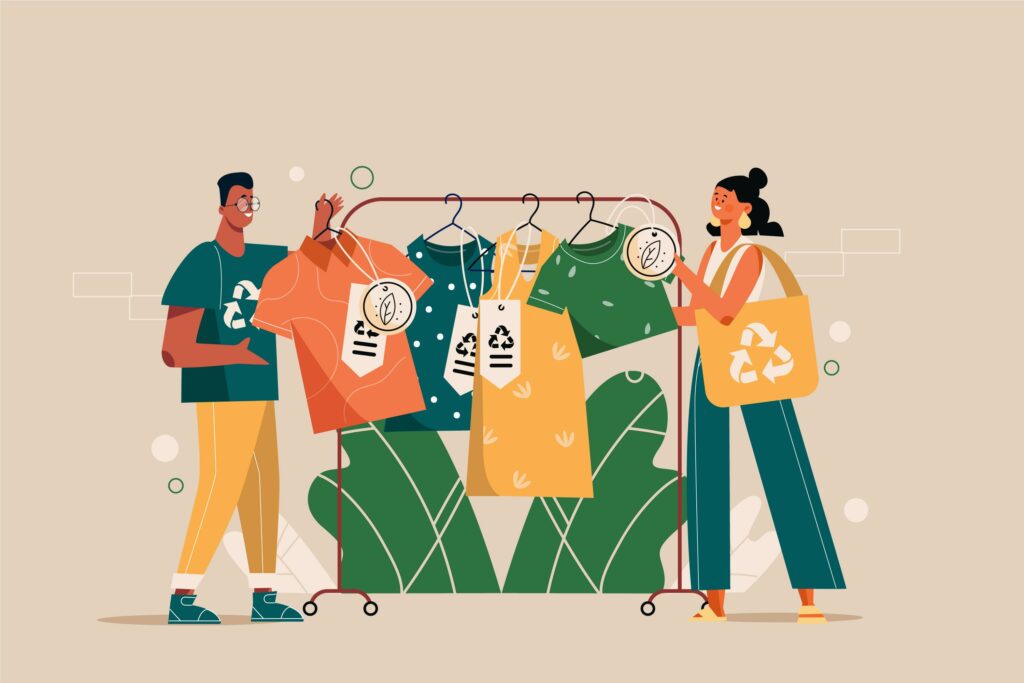
The fashion industry is at a critical crossroad, and circular fashion offers a sustainable path forward. By embracing the principles of reduce, reuse, and recycle, we can minimize waste, conserve resources, and create a more ethical and environmentally friendly fashion industry. As consumers, we have the power to drive change by making conscious choices and supporting brands that prioritize sustainability. Together, let’s forget fast fashion and embrace the circular fashion revolution!
Comments

Hi, I’m Nishanth Muraleedharan (also known as Nishani)—an IT engineer turned internet entrepreneur with 25+ years in the textile industry. As the Founder & CEO of "DMZ International Imports & Exports" and President & Chairperson of the "Save Handloom Foundation", I’m committed to reviving India’s handloom heritage by empowering artisans through sustainable practices and advanced technologies like Blockchain, AI, AR & VR. I write what I love to read—thought-provoking, purposeful, and rooted in impact. nishani.in is not just a blog — it's a mark, a sign, a symbol, an impression of the naked truth. Like what you read? Buy me a chai and keep the ideas brewing. ☕💭 For advertising on any of our platforms, WhatsApp me on : +91-91-0950-0950 or email me @ support@dmzinternational.com