
Gurugram Is Choking — And So Are All Our Metros
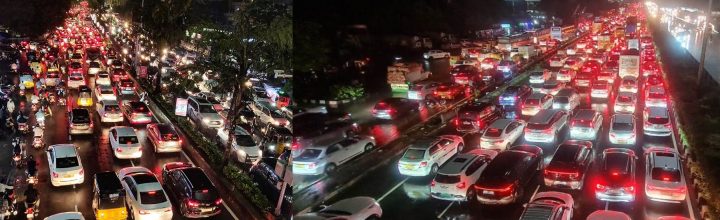
Gurugram today is a contradiction in motion. Trash piles up at every corner, rains convert roads into swimming pools, the air is unbreathable, and traffic crawls at bullock-cart speeds. Yet, property rentals and prices are hitting record highs as if people are bidding for space in an open-air prison.
But let’s not kid ourselves: this isn’t just Gurugram. Delhi, Mumbai, Bengaluru, Chennai — every Indian metro is staring at the same mess. We’ve built “global cities” on foundations of neglect, greed, and short-termism, and now they’re collapsing under their own weight.
What Exactly Went Wrong?
The mess is not accidental. It’s the direct result of unplanned urbanization, greed-led real estate, and governance that treats metros as piggy banks rather than living ecosystems.
- What: Sewage, garbage, pollution, floods, traffic, and sky-high rentals.
- How: Land-use changes without water, sewage, or transport planning.
- When: Since the late ’90s, when metros became cash cows for states but infrastructure didn’t keep up.
- Who: Governments chasing revenue, developers chasing profit, corporates chasing quick growth, and citizens chasing gated comfort instead of accountability.
The Case Studies of Dysfunction
1. Delhi: The Garbage Mountain of Ghazipur

Delhi’s Ghazipur landfill is now over 70 metres tall — as high as the Qutub Minar. It emits methane, regularly catches fire, and poisons nearby residents. Authorities claim it will be cleared by 2028 through biomining and waste-to-energy plants. Reality? The mountain only grows, and Delhi continues to drown in trash.
2. Bengaluru: Bellandur’s Toxic Foam

Bengaluru, once called the “Garden City,” now makes headlines for Bellandur Lake catching fire and spewing toxic froth onto highways. The lake is Bengaluru’s largest, yet it is nothing but a dump of untreated sewage and industrial waste. Despite crores poured in, the foam keeps coming back with every rain — a living symbol of policy failure.
3. Mumbai: Monsoon Floods on Repeat
Mumbai’s drainage system was designed in the early 1900s for a fraction of today’s rainfall and population. Every monsoon, the city grinds to a halt: trains stop, airports flood, homes drown. In 2005, nearly 1,000 people died in floods — and yet, almost 20 years later, the fixes are band-aids. A “Climate Action Plan” exists, but reality is still rain, drain, repeat.
4. Chennai & Others: The Same Cycle
Chennai has its own pattern — drought in summer, floods in monsoon. Hyderabad, Pune, and Kolkata are no different. Each city is an unfolding chapter of the same story: development without design.
Why Can’t We Solve This?
Because solving requires long-term investment, political will, and citizen pressure. But in India, politics thrives on short-term optics: flyovers over sewage systems, statues over waste management, token “swachh” campaigns over systemic reform.
Municipalities lack power, states milk cities for revenue, and citizens look away until their apartments flood or their kids cough blood.
What’s Coming in 5–10 Years?
If the current path continues:
- Air Quality: More health emergencies; masks will be permanent, not pandemic accessories.
- Traffic: Average speed in metros could sink below 10 km/h. A 15 km commute = 2 hours.
- Water: Summers will bring taps running dry; monsoons will bring living-room floods.
- Trash: Ghazipur won’t be alone; every city will have its own garbage Everest.
- Cost of Living: Paradoxically, rentals and property prices will still rise — people will pay a premium to live in dysfunction.
And then the brain drain boomerang: companies and talent that made these cities thrive will look elsewhere — smaller towns, other countries — leaving metros choking both literally and economically.
Is There Any Hope?
Yes — but only if we flip the script:
- Empowered Local Governance: Cities must control their own revenues, not just fill state coffers.
- Waste-to-Energy & Biomining: Serious investment in waste management, not token cleanups.
- Mass Transit Over Private Cars: Metros must move from car obsession to bus, metro, and cycle-first policies.
- Citizen Accountability: Stop waiting for saviors. Demand answers, demand action, and stop voting for ribbon-cutting photo-ops.
Final Word
India’s metros aren’t choking because of fate — they’re choking because we built them this way. Gurugram, Delhi, Mumbai, Bengaluru, Chennai — each is a mirror of our collective apathy.
The question isn’t whether these cities can be saved. The question is whether we, as citizens, have the courage to demand that they be saved before they become unlivable open-air prisons in the next decade.
👉 Millennium cities or millennium disasters? The answer depends on what we do now — not in another election cycle, but today.
Comments

Hi, I’m Nishanth Muraleedharan (also known as Nishani)—an IT engineer turned internet entrepreneur with 25+ years in the textile industry. As the Founder & CEO of "DMZ International Imports & Exports" and President & Chairperson of the "Save Handloom Foundation", I’m committed to reviving India’s handloom heritage by empowering artisans through sustainable practices and advanced technologies like Blockchain, AI, AR & VR. I write what I love to read—thought-provoking, purposeful, and rooted in impact. nishani.in is not just a blog — it's a mark, a sign, a symbol, an impression of the naked truth. Like what you read? Buy me a chai and keep the ideas brewing. ☕💭 For advertising on any of our platforms, WhatsApp me on : +91-91-0950-0950 or email me @ support@dmzinternational.com


