
Unraveling India’s Handloom Tapestry: Insights from the All India Handloom Census 2019-2020
The handloom industry in India is a significant contributor to the country’s cultural heritage and economic growth. Rooted in ancient traditions, handloom weaving has been an integral part of Indian society for thousands of years. This blog delves into the key insights from the Fourth All India Handloom Census 2019-2020, providing a comprehensive understanding of the current state of the handloom sector in the country.
Handloom Census and its Objectives:

The Fourth All India Handloom Census, conducted by the Office of the Development Commissioner for Handlooms under the Ministry of Textiles, aims to provide updated information on weavers, allied workers, and non-household establishments engaged in handloom activities. The census plays a crucial role in the distribution of ‘Pahchan’ cards (Aadhaar-linked identity documents) for artisans and ‘yarn passbooks’ for weavers, facilitating better support and recognition for the handloom community.
Handloom Industry Overview:

The census reveals that the handloom industry in India has seen steady growth over the years. As of 2019, there were 31.45 lakh households engaged in handloom activities, showcasing an increase from 27.83 lakhs in 2010. Of these, approximately 25.45 lakh households were weaver households, and the rest were allied workers.
Regional Concentration:
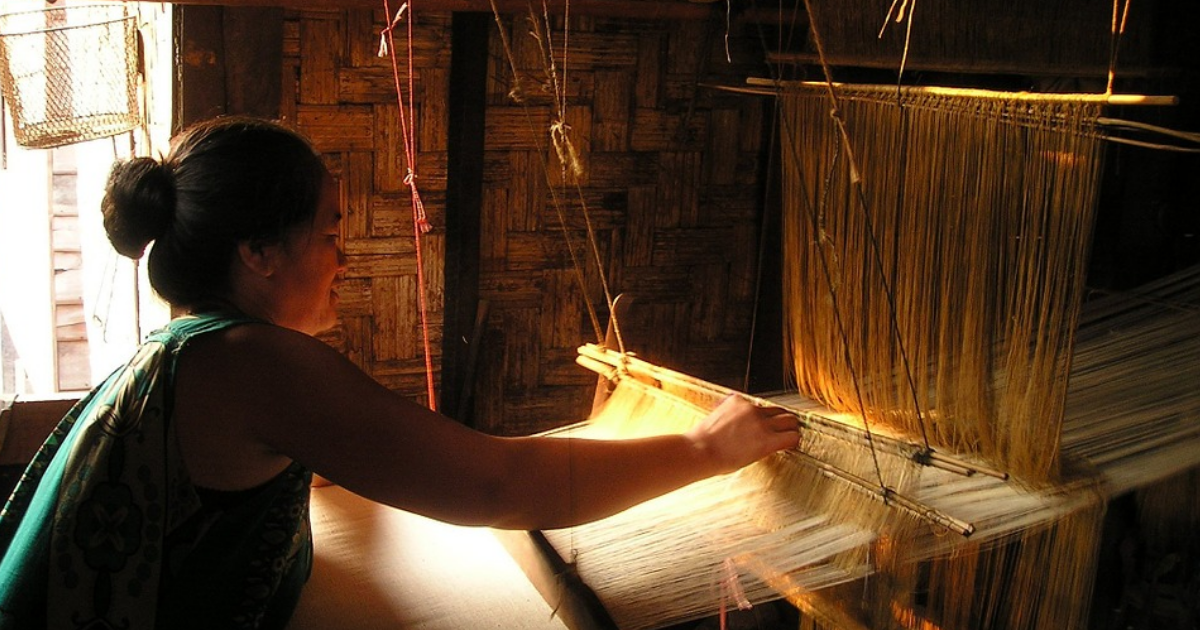
Four states, namely Assam, West Bengal, Manipur, and Tamil Nadu, are home to a majority of the weaving households in India. Assam stands out with 10.9 lakh weaving households, while nearly 90% of the weaver households are in rural areas.
Education and Socioeconomic Status:
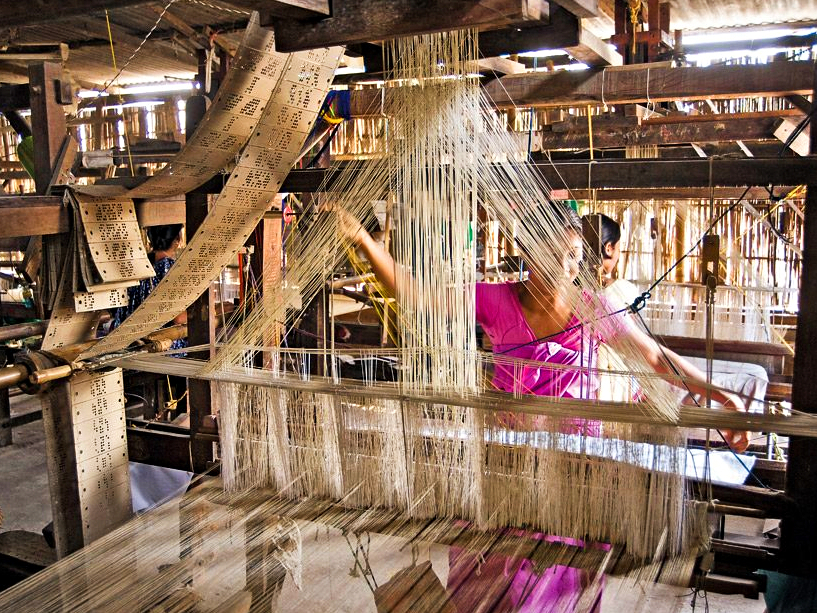
The census highlights the need for better education opportunities and financial support in the handloom community. Around a fourth of the weavers have not received any formal education, and only 4% have insurance coverage. Additionally, most weaver households earn less than Rs. 5,000 per month, indicating the need for better financial inclusion and welfare measures.
Gender Representation:

Women play a vital role in the handloom sector, with 19.1 lakh female weavers and 6.3 lakh allied workers. The 2019 Handloom Census is the first to recognize transgenders as a separate category, emphasizing inclusivity and diversity in the industry.
Types of Handlooms and Products:
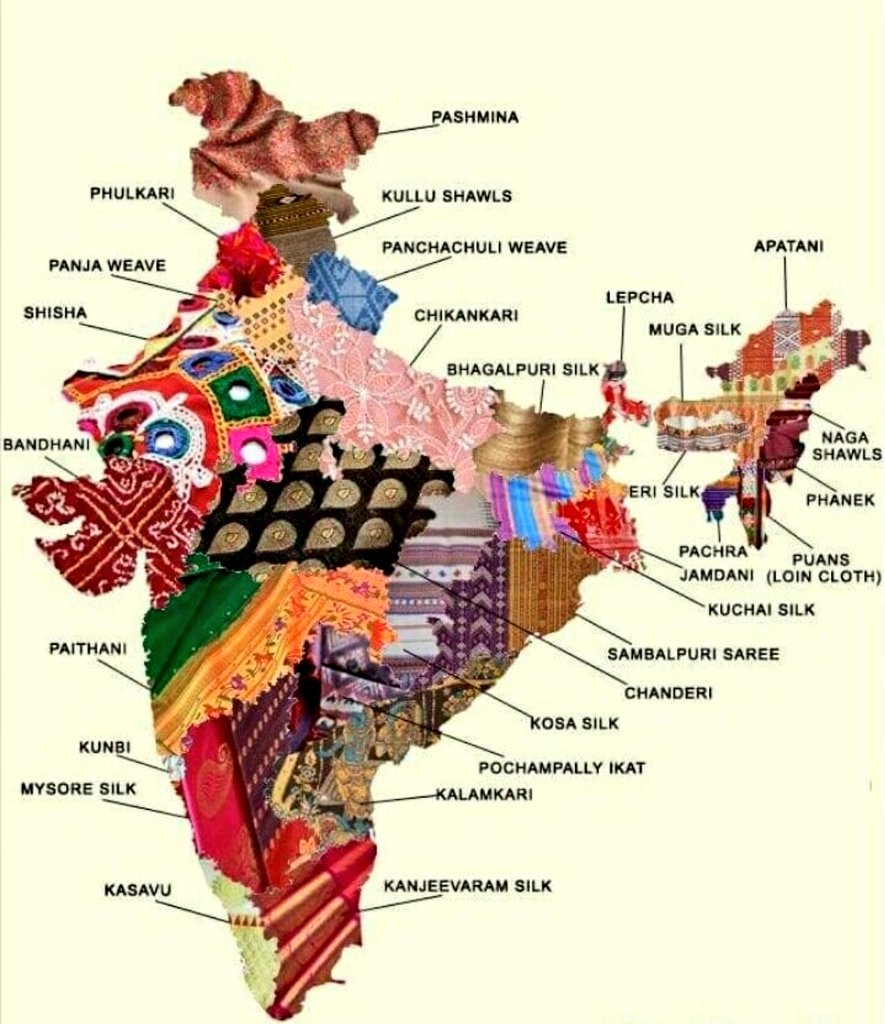
The report provides insights into the types of handlooms used in rural and urban areas, such as pit looms, frame looms, and loin looms. It also highlights the various products made by handloom weavers, including sarees, Mekhala Chadors, scarfs, stoles, mufflers, dhotis, sarongs, lungis, and more.
Challenges and Opportunities:

Despite its cultural significance, the handloom industry faces several challenges, such as lack of formal education, low income, and limited access to financial services. However, the sector also offers significant opportunities for growth and innovation, particularly in promoting sustainable and organic handloom products.
Conclusion:

The handloom industry in India remains an integral part of the country’s cultural heritage, providing livelihoods to millions of skilled artisans and weavers. The Fourth All India Handloom Census sheds light on the current state of the industry and highlights areas where support and interventions are needed. By recognizing the contributions of handloom weavers and allied workers, and empowering them with adequate resources, India can preserve and enhance this beautiful tapestry of tradition and artistry for generations to come.
Comments

Hi, I’m Nishanth Muraleedharan (also known as Nishani)—an IT engineer turned internet entrepreneur with 25+ years in the textile industry. As the Founder & CEO of "DMZ International Imports & Exports" and President & Chairperson of the "Save Handloom Foundation", I’m committed to reviving India’s handloom heritage by empowering artisans through sustainable practices and advanced technologies like Blockchain, AI, AR & VR. I write what I love to read—thought-provoking, purposeful, and rooted in impact. nishani.in is not just a blog — it's a mark, a sign, a symbol, an impression of the naked truth. Like what you read? Buy me a chai and keep the ideas brewing. ☕💭 For advertising on any of our platforms, WhatsApp me on : +91-91-0950-0950 or email me @ support@dmzinternational.com