
How India shattered the nuclear threat narrative, and why Pakistan had no choice but to beg for peace.
🇮🇳 The Game-Changing Strike: Operation Sindoor
India’s Operation Sindoor wasn’t just a military mission — it was a doctrinal shift. After the barbaric Pahalgam terror attack killed 26 innocent civilians, India responded with clinical precision, bombing terror hubs deep inside Pakistan-occupied territory. But this time, India didn’t ask for talks. It didn’t issue warnings.
Instead, it launched — and then laughed.
☢️ The Nuclear Rumors That Shook the Region
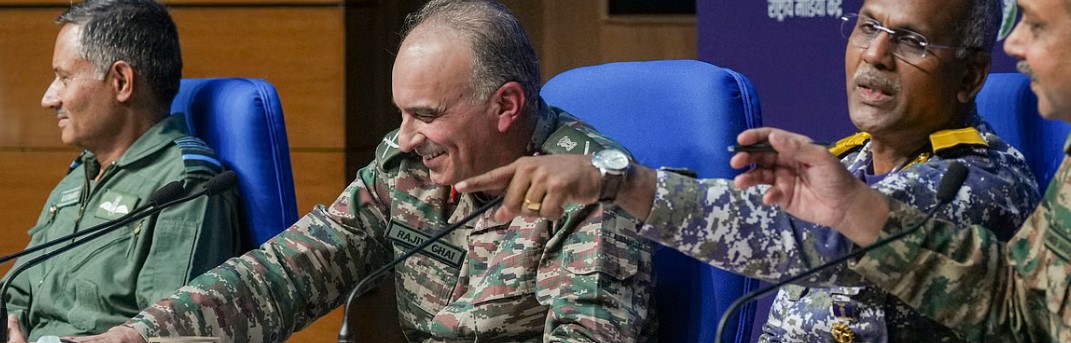
Social media exploded with claims that India might’ve hit Kirana Hills — a location previously linked to Pakistan’s nuclear program. While the Indian Air Marshal cheekily dismissed it in a press meet, the military’s grin said more than their words.
When asked about Kirana Hills, the official replied sarcastically,
“Thank you for telling us Kirana Hills has a nuclear site — we didn’t know that. And no, we didn’t strike it.”
The room laughed. The world didn’t.
Because that smirk was a warning.
India had crossed the psychological Rubicon — it had mocked Pakistan’s nuclear shield.
🧨 Why Pakistan Collapsed Into Panic
The aftermath inside Pakistan was chaotic:
- No counter-strike. No retaliation.
- Airbases shut down. Intelligence hubs went silent.
- Rumors swirled of Indian jets reaching deeper than ever before.
What followed was a diplomatic breakdown in Pakistan’s corridors of power.
They scrambled to call Washington and Beijing, desperately begging for intervention.
🇺🇸 Enter Donald Trump – The Power Broker Returns
Donald Trump, now back as the U.S. President, did what no one expected. Before even the State Department could draft a press note, Trump took to Truth Social and Twitter stating:
“Spoke to both India and Pakistan. Powerful conversations. Ceasefire on the table. Peace is better. And we got it done.”
Trump projected himself as the global peace broker, tweeting updates before diplomats could blink. Behind the scenes, he spoke directly with PM Modi and Pakistani leadership. And within hours, the ceasefire was announced.
This was not a peace deal.
It was Pakistan’s surrender under global pressure, packaged with diplomatic ribbon.
🇨🇳 China’s Quiet Calculations
China, already uneasy with Pakistan’s instability, urged immediate de-escalation behind closed doors.
Beijing doesn’t want a nuclear mishap near its investments or borders.
Pakistan was quietly told: De-escalate or be left alone.
🔥 Modi’s Speech: India’s New Doctrine
On the evening of May 12, Prime Minister Modi addressed the nation — and indirectly, the world.
“India will not tolerate nuclear blackmail. Terrorism under the shelter of nukes will be crushed. If provoked again, India will strike — without notice.”
This speech wasn’t bluster. It was a redefinition of India’s defense doctrine:
- No tolerance for hybrid warfare.
- No negotiations under threat.
- No fear of nuclear rhetoric.
Modi made it crystal clear:
India’s next strike won’t come with warnings.
😐 The Global Reaction: Silence Speaks
- Western nations didn’t criticize India.
- The UN didn’t condemn the strike.
- No country defended Pakistan’s “nuclear victim” narrative.
Because deep down, the world knows the truth.
Terrorism, not India, is the real threat to global peace.
🤯 Why the Ceasefire Really Happened
- Pakistan was militarily unprepared.
- Its economy is on life support.
- Its allies didn’t step forward.
The ceasefire wasn’t peace.
It was damage control—forced by global isolation and India’s newfound confidence.
🧠 Final Thought: The End of Pakistan’s Nuclear Bluff
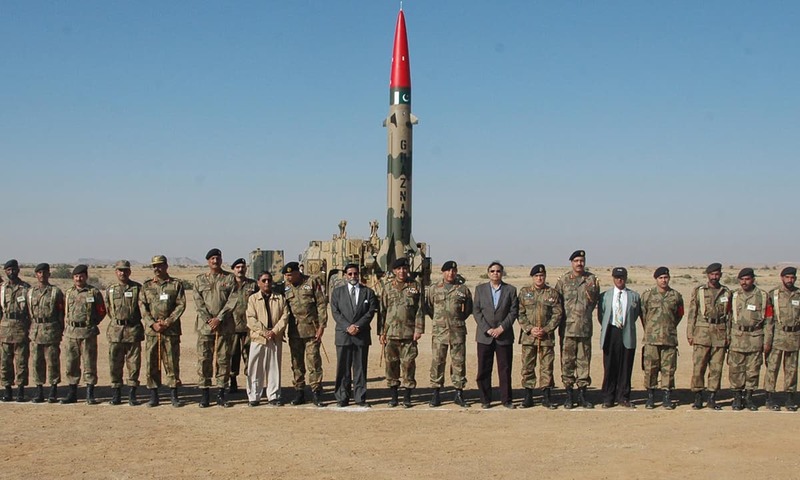
Pakistan’s decades-long tactic was simple:
Terrorism under nuclear cover.
But now, India has changed the equation.
One grin at a press meet. One thunderous speech. One swift operation.
That’s all it took to make Pakistan run to Trump.
India didn’t need to bomb a nuclear site.
Just hinting at it broke the myth.
And that’s how nuclear blackmail died.
Not with a blast,
But with a smirk.
Comments

Hi, I’m Nishanth Muraleedharan (also known as Nishani)—an IT engineer turned internet entrepreneur with 25+ years in the textile industry. As the Founder & CEO of "DMZ International Imports & Exports" and President & Chairperson of the "Save Handloom Foundation", I’m committed to reviving India’s handloom heritage by empowering artisans through sustainable practices and advanced technologies like Blockchain, AI, AR & VR. I write what I love to read—thought-provoking, purposeful, and rooted in impact. nishani.in is not just a blog — it's a mark, a sign, a symbol, an impression of the naked truth. Like what you read? Buy me a chai and keep the ideas brewing. ☕💭 For advertising on any of our platforms, WhatsApp me on : +91-91-0950-0950 or email me @ support@dmzinternational.com