
Rolex: The Timeless Legacy of an Orphan’s Vision—Luxury, Philanthropy, and Hidden Truths
Rolex, the epitome of luxury timepieces, has a history as intricate as its watch mechanisms. Founded in 1905 by Hans Wilsdorf and Alfred Davis in London, the company has grown into a global symbol of prestige and precision. But beyond its horological achievements lies a narrative of philanthropy and unique corporate structure.
Hans Wilsdorf: The Orphan Visionary
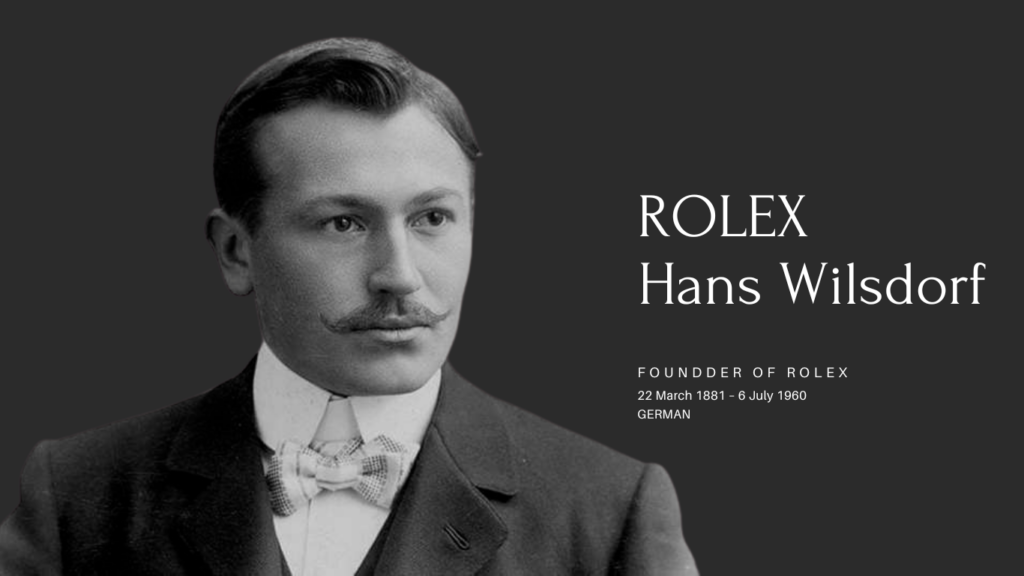
Hans Wilsdorf’s early life was marked by hardship. Born in 1881 in Bavaria, he became an orphan at the age of twelve. This challenging beginning instilled in him a resilience and vision that would later shape the world of watchmaking. In 1905, alongside his brother-in-law Alfred Davis, Wilsdorf established Wilsdorf & Davis in London, focusing on the distribution of timepieces. By 1908, the brand name “Rolex” was registered, setting the foundation for a legacy of innovation and excellence.
The Hans Wilsdorf Foundation: A Legacy of Giving

In 1945, following the death of his wife, Wilsdorf established the Hans Wilsdorf Foundation. By 1960, he had transferred his entire ownership stake in Rolex to the foundation, ensuring that the company’s profits would support charitable causes. This strategic move safeguarded Rolex’s independence and perpetuated Wilsdorf’s philanthropic vision.
Rolex’s Financial Structure and Philanthropy
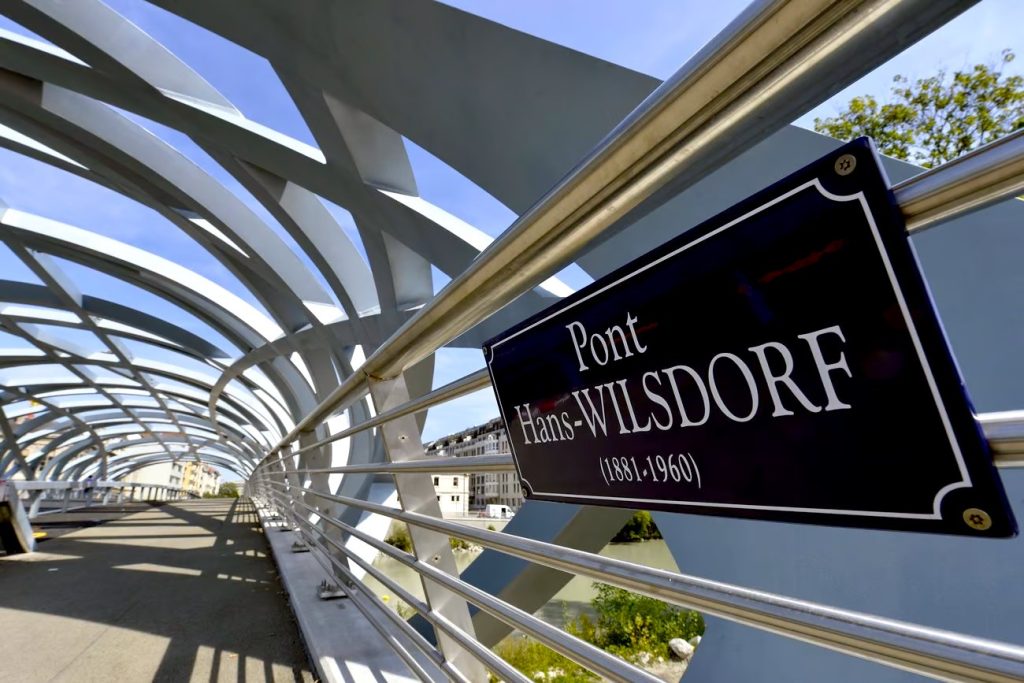
Rolex operates as a for-profit entity owned by the non-profit Hans Wilsdorf Foundation. This structure allows Rolex to reinvest a significant portion of its profits into the company while channeling funds into charitable endeavors. The exact percentage allocated to charity remains undisclosed, leading to speculation and debate. Some sources suggest that a substantial portion of profits supports philanthropic activities, but precise figures are not publicly available.
Tax Implications and Transparency
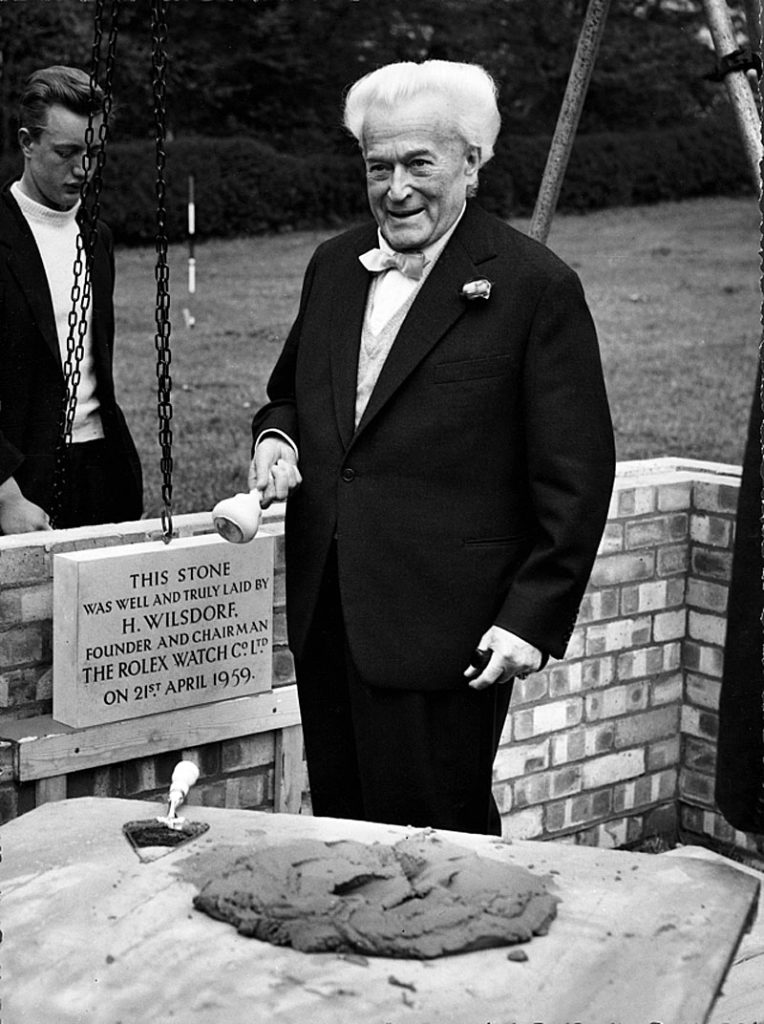
Rolex’s ownership by a charitable foundation provides certain tax advantages. In Switzerland, where Rolex is based, foundation-owned companies may benefit from reduced tax obligations. However, the specifics of Rolex’s tax contributions and the exact allocation of its profits are not publicly disclosed, leading to discussions about transparency and the potential use of such structures to minimize tax liabilities.
Comparisons with Other Philanthropic Entities

Comparing Rolex’s structure to organizations like the Bill & Melinda Gates Foundation reveals differences in transparency and operational focus. The Gates Foundation openly discloses its financials and charitable activities, emphasizing global health and education initiatives. In contrast, the Hans Wilsdorf Foundation maintains a more discreet profile, with limited public information about its charitable contributions. This contrast highlights varying approaches to philanthropy and corporate governance.
Conclusion: A Complex Legacy
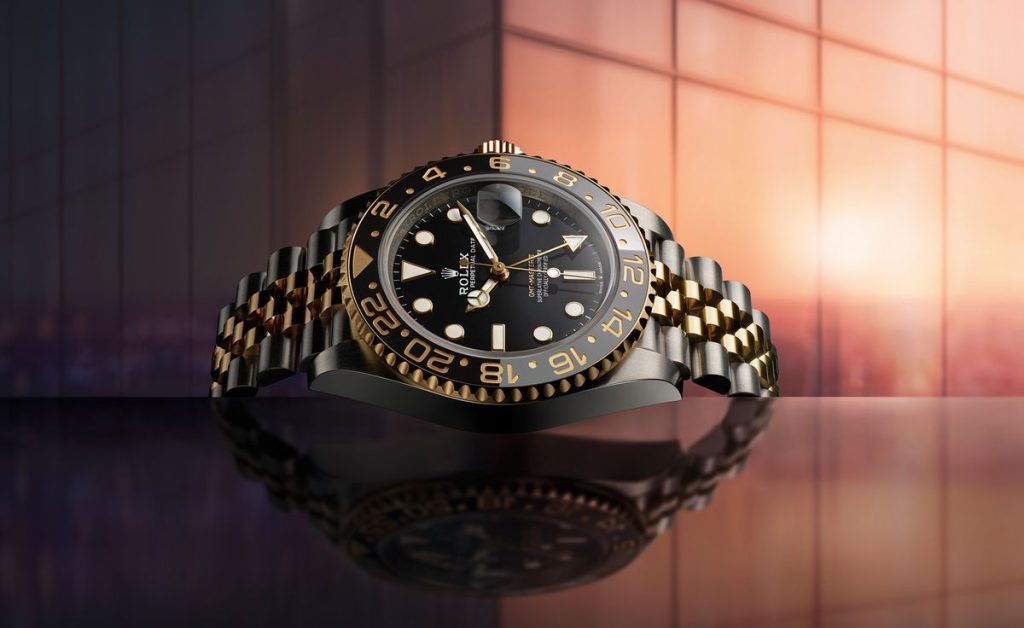
Rolex’s journey from an orphan’s vision to a global luxury brand intertwined with philanthropy is both inspiring and complex. While its corporate structure facilitates charitable giving and offers tax benefits, the lack of transparency invites scrutiny. This narrative underscores the intricate balance between business success, philanthropy, and the responsibilities of transparency and accountability in the modern corporate world.
For a deeper insight into Hans Wilsdorf’s inspiring journey from orphan to the founder of Rolex, you might find the following video enlightening:
Comments

Hi, I’m Nishanth Muraleedharan (also known as Nishani)—an IT engineer turned internet entrepreneur with 25+ years in the textile industry. As the Founder & CEO of "DMZ International Imports & Exports" and President & Chairperson of the "Save Handloom Foundation", I’m committed to reviving India’s handloom heritage by empowering artisans through sustainable practices and advanced technologies like Blockchain, AI, AR & VR. I write what I love to read—thought-provoking, purposeful, and rooted in impact. nishani.in is not just a blog — it's a mark, a sign, a symbol, an impression of the naked truth. Like what you read? Buy me a chai and keep the ideas brewing. ☕💭 For advertising on any of our platforms, WhatsApp me on : +91-91-0950-0950 or email me @ support@dmzinternational.com