
The First Sign of Disease: It’s Not Cancer, Diabetes, or Stroke
In today’s fast-paced world, people often assume that diseases like cancer, diabetes, or stroke hit without warning. But what if the signs were there all along, hiding in plain sight, ignored because they seemed trivial? Medical research, backed by real-life experiences of healthcare professionals, reveals that the first signs of disease often manifest subtly as lifestyle disruptions. These small yet persistent issues can snowball into life-threatening conditions if left unchecked.
What Are These Early Signs?

Doctors and health experts emphasize that diseases often begin with seemingly minor problems. Let’s explore these subtle yet significant warning signs:
- Lack of Sleep
Chronic sleep deprivation isn’t just about feeling tired—it’s a red flag. Studies published in journals like Sleep Medicine Reviews show that insufficient sleep increases the risk of cardiovascular diseases, diabetes, and mental health disorders.- Real-life Insight: Dr. Matthew Walker, a renowned sleep scientist, stresses in his book Why We Sleep that consistent sleep loss “demolishes the immune system, increases susceptibility to infections, and accelerates chronic illnesses.”
- Bloating and Gut Issues
A troubled gut is often the first indicator of deeper problems. Research highlights that an imbalanced gut microbiome contributes to systemic inflammation, which is linked to autoimmune disorders, obesity, and even depression.- Doctor’s Take: Gastroenterologist Dr. Robynne Chutkan notes, “The gut is not Las Vegas—what happens in the gut doesn’t stay in the gut. It impacts your entire body.”
- Unexplained Sugar Cravings
Persistent sugar cravings may signal insulin resistance, a precursor to type 2 diabetes. Studies in The Lancet underline how early metabolic shifts can go unnoticed for years before manifesting as full-blown disease. - Lack of Joy and Laughter
Emotional health is intricately linked to physical health. Research in Psychosomatic Medicine reveals that chronic stress and a lack of positive emotions weaken the immune system, making the body more prone to disease.- Real-life Insight: Mental health expert Dr. Gabor Maté asserts, “When emotions are repressed, so is immunity.”
- Phone Addiction and Lack of Sunlight
The overuse of screens leads to reduced physical activity, poor posture, and disrupted circadian rhythms. Combined with low sunlight exposure, it can cause vitamin D deficiency, which is associated with depression, osteoporosis, and weakened immunity. - Irritability and Stress
Chronic stress triggers the release of cortisol, a hormone that, when elevated long-term, contributes to hypertension, weight gain, and heart disease.
Why Root Causes Matter
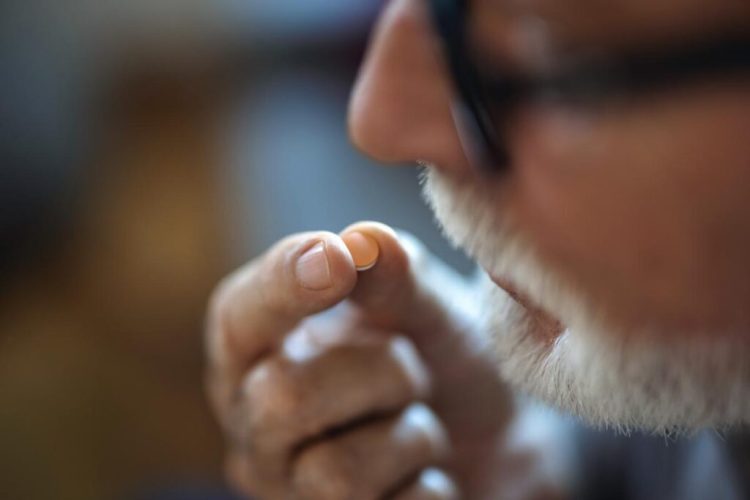
Popping pills to suppress symptoms without addressing root causes is like patching a leaking roof with duct tape—it’s temporary and unsustainable. Functional medicine, which seeks to identify and treat root causes, has gained popularity for its holistic approach.
- Example: A patient experiencing frequent headaches may discover that the root cause is dehydration, poor posture, or stress rather than a need for painkillers. Treating the cause can eliminate the symptom permanently.
The Real-Life Impact of Ignoring Early Signs
Dr. Mark Hyman, a leading voice in functional medicine, recounts the story of a patient who ignored bloating, fatigue, and sugar cravings. Over time, these minor issues culminated in prediabetes and fatty liver disease. By the time the patient sought help, significant lifestyle changes were necessary to reverse the damage.
How to Intervene Early
Here are actionable steps to tackle these early warning signs before they escalate:
- Prioritize Sleep: Aim for 7–9 hours of quality sleep every night. Create a bedtime routine and minimize screen exposure before bed.
- Nurture Your Gut: Include probiotic-rich foods like yogurt and fermented vegetables in your diet. Reduce processed foods and sugar.
- Manage Stress: Practice mindfulness, yoga, or meditation to improve mental resilience.
- Get Moving: Incorporate at least 30 minutes of physical activity daily, even if it’s just a walk.
- Sunlight and Nature: Spend time outdoors to soak up vitamin D and reset your internal clock.
- Listen to Your Body: Pay attention to persistent symptoms, even if they seem minor. Seek professional advice if necessary.
Conclusion: Small Changes, Big Impact

The first sign of disease isn’t cancer, diabetes, or stroke—it’s the small disruptions in your daily life that accumulate over time. Lack of sleep, gut issues, sugar cravings, and stress are all whispers from your body, asking for change. Listening to these whispers can prevent them from becoming screams.
Let’s shift the focus from treating diseases to preventing them by addressing root causes, fostering holistic well-being, and making sustainable lifestyle changes. After all, true health starts with the little things. 🌟
Comments

Hi, I’m Nishanth Muraleedharan (also known as Nishani)—an IT engineer turned internet entrepreneur with 25+ years in the textile industry. As the Founder & CEO of "DMZ International Imports & Exports" and President & Chairperson of the "Save Handloom Foundation", I’m committed to reviving India’s handloom heritage by empowering artisans through sustainable practices and advanced technologies like Blockchain, AI, AR & VR. I write what I love to read—thought-provoking, purposeful, and rooted in impact. nishani.in is not just a blog — it's a mark, a sign, a symbol, an impression of the naked truth. Like what you read? Buy me a chai and keep the ideas brewing. ☕💭 For advertising on any of our platforms, WhatsApp me on : +91-91-0950-0950 or email me @ support@dmzinternational.com