
The Historic Connection between Gandhi Jayanti and Khadi: A Journey from Past to Present
Gandhi Jayanti, celebrated on October 2nd, marks the birth anniversary of the remarkable Mahatma Gandhi. This auspicious day holds great significance not only for honoring the life of the Father of the Nation but also for highlighting his immense contribution to the handloom industry through his advocacy of khadi fabric. This blog explores the historical connection between Gandhi Jayanti, handloom, and khadi, shedding light on the evolution of the handloom industry from the past to the present.
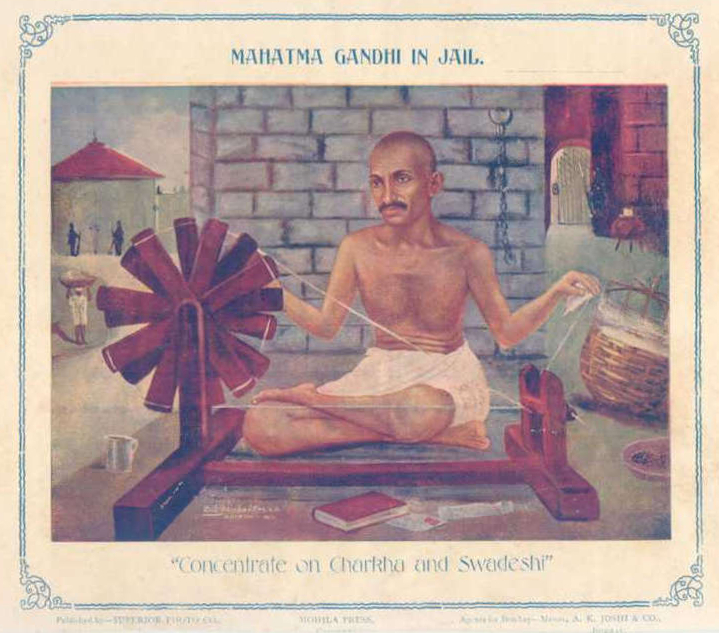
1. The Birth of Khadi:
Mahatma Gandhi played a pivotal role in promoting khadi, a handspun and handwoven fabric, as a symbol of self-reliance and independence during India’s struggle for freedom. He named the fabric “khadi” and encouraged the masses to adopt it as a means to boycott British goods and promote indigenous craftsmanship.
2. Handloom Industry Then:
During Gandhi’s time, the handloom industry thrived as a vital component of India’s economy. It provided employment opportunities to numerous artisans, weavers, and craftsmen across the country. Khadi production gained momentum, becoming a symbol of national pride and self-sufficiency. The industry’s rich history and significance during the British Raj era cannot be overstated.
3. Handloom Industry at Present:
In the present day, the handloom industry continues to hold immense cultural and economic importance. It has witnessed a resurgence, with increased recognition and support from the government and consumers alike. The industry now incorporates modern techniques while preserving traditional craftsmanship. Handloom products, including khadi, have gained popularity both domestically and internationally, showcasing the exquisite artistry and heritage of Indian textiles.
4. Evolution of Handloom Techniques:
Over the years, handloom techniques have evolved to meet contemporary demands while staying true to their roots. Weavers have embraced technology, blending traditional skills with innovative designs and patterns. This amalgamation of tradition and modernity has given rise to a diverse range of handloom products that cater to a wide array of preferences and tastes.
5. Empowering Weavers and Artisans:

Efforts to revive and empower the handloom industry have been instrumental in improving the livelihoods of weavers and artisans. Various government initiatives and organizations have been established to provide financial support, training, and market access to these talented individuals. By promoting sustainable and ethical fashion, consumers can contribute to the preservation of this ancient craft and uplift the lives of those involved.
Conclusion:
The celebration of Gandhi Jayanti holds a deep connection with the handloom industry, particularly through the promotion of khadi fabric. Mahatma Gandhi’s vision of self-reliance, sustainability, and empowerment resonates even today. The handloom industry has evolved significantly, adapting to changing times while preserving its cultural heritage. By embracing handloom products, we honor the legacy of Mahatma Gandhi and support the artisans who continue to weave their magic, creating intricate pieces of art that reflect India’s rich textile traditions.
Comments

Hi, I’m Nishanth Muraleedharan (also known as Nishani)—an IT engineer turned internet entrepreneur with 25+ years in the textile industry. As the Founder & CEO of "DMZ International Imports & Exports" and President & Chairperson of the "Save Handloom Foundation", I’m committed to reviving India’s handloom heritage by empowering artisans through sustainable practices and advanced technologies like Blockchain, AI, AR & VR. I write what I love to read—thought-provoking, purposeful, and rooted in impact. nishani.in is not just a blog — it's a mark, a sign, a symbol, an impression of the naked truth. Like what you read? Buy me a chai and keep the ideas brewing. ☕💭 For advertising on any of our platforms, WhatsApp me on : +91-91-0950-0950 or email me @ support@dmzinternational.com