
The Rise of Handloom Products: A Global Movement Towards Ethical Fashion
In the ever-evolving world of fashion, trends come and go, but some things remain eternal. One such timeless treasure is handloom fabrics. With their rich heritage, intricate craftsmanship, and eco-friendly production methods, handloom fabrics are poised to make a resounding comeback in the fashion industry. This blog delves into the cultural significance, rising demand, and sustainable allure of handloom fabrics, highlighting India’s pivotal role in shaping the future of fashion.
1. Cultural Significance and Heritage

Handloom fabrics are deeply rooted in the cultural heritage of communities around the world. Each region boasts its unique weaving techniques, patterns, and motifs, making handloom products a vibrant reflection of local traditions. From the intricate Banarasi silk sarees of India to the colorful ikat weaves of Indonesia, these fabrics encapsulate the history, artistry, and identity of a particular community. By wearing handloom garments, individuals not only embrace their cultural heritage but also become ambassadors of a rich tapestry of stories and craftsmanship.
2. Rising Demand for Sustainable Fashion

In recent years, the fashion industry has witnessed a seismic shift towards sustainability. Consumers are increasingly conscious of the environmental and social impacts of their choices, prompting a surge in demand for ethical and eco-friendly alternatives. Handloom fabrics perfectly align with these values. Produced without the use of heavy machinery, harmful chemicals, or excessive energy consumption, handloom weaving is a sustainable practice that promotes local economies and preserves traditional skills.
3. Quality and Longevity

One of the key attributes that set handloom fabrics apart is their exceptional quality and longevity. Skilled artisans meticulously weave each thread, resulting in fabrics that are durable, breathable, and comfortable. Unlike mass-produced synthetic textiles, handloom fabrics age gracefully, becoming softer with time while retaining their vibrant colors and intricate patterns. By investing in handloom garments, individuals not only contribute to sustainable fashion but also acquire pieces that will last for generations, transcending fleeting trends.
4. Handloom Fabrics and the Future of Fashion
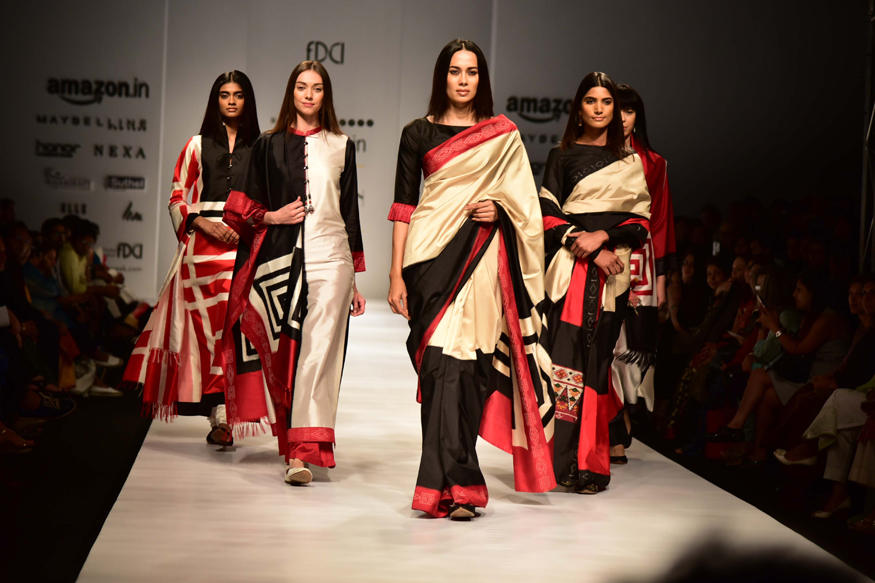
As the world embraces sustainable fashion, handloom fabrics are poised for a resurgence. Designers and brands are recognizing the timeless appeal and cultural significance of these fabrics, incorporating them into their collections. Handloom textiles are not limited to traditional attire but are also finding their way into contemporary fashion, be it elegant dresses, chic blouses, or versatile accessories. The versatility and adaptability of handloom fabrics make them a perfect choice for conscious consumers seeking unique, eco-friendly, and fashion-forward options.
5. India’s Leading Role

India, with its rich handloom heritage, plays a pivotal role in shaping the future of sustainable fashion. The country boasts a vast array of handloom products, ranging from the intricate weaves of Assam and Odisha to the exquisite craftsmanship of Varanasi and Kanchipuram. The Indian government, along with various organizations, has been actively promoting handloom textiles, supporting artisans, and facilitating market access. With increased awareness and global demand, Indian handloom fabrics are receiving the recognition they deserve, ensuring a sustainable livelihood for artisans and the preservation of a glorious cultural legacy.
Conclusion

Handloom fabrics are not merely pieces of cloth; they are tangible expressions of culture, artistry, and sustainability. As fashion moves towards a more conscious future, handloom fabrics are emerging as the epitome of style, ethics, and longevity. By embracing these exquisite creations, we not only contribute to sustainable fashion but also become part of a global movement that celebrates heritage, empowers artisans, and cherishes the timeless elegance of handloom fabrics. So, let’s weave a sustainable fashion revolution, one thread at a time.
Comments

Hi, I’m Nishanth Muraleedharan (also known as Nishani)—an IT engineer turned internet entrepreneur with 25+ years in the textile industry. As the Founder & CEO of "DMZ International Imports & Exports" and President & Chairperson of the "Save Handloom Foundation", I’m committed to reviving India’s handloom heritage by empowering artisans through sustainable practices and advanced technologies like Blockchain, AI, AR & VR. I write what I love to read—thought-provoking, purposeful, and rooted in impact. nishani.in is not just a blog — it's a mark, a sign, a symbol, an impression of the naked truth. Like what you read? Buy me a chai and keep the ideas brewing. ☕💭 For advertising on any of our platforms, WhatsApp me on : +91-91-0950-0950 or email me @ support@dmzinternational.com