The Silent Titans: How a Family from Uttar Pradesh Shapes India’s Future

Behind every story that shapes the thoughts of a billion people lies an unseen force. For India, that force is the Sahu Jain family from Najibabad, Uttar Pradesh—a dynasty that has quietly built an empire influencing everything from politics to business and entertainment. While their media behemoth, the Times Group, commands unparalleled reach, their remarkable power lies not in visibility but in their silence.
The Rise of an Invisible Empire

The Sahu Jain family’s journey began in 1956 when they acquired The Times of India for ₹2 crore—a modest sum by today’s standards but a monumental move in reshaping India’s media landscape. Recognizing that one publication alone couldn’t sway the narrative of a nation, they systematically expanded their influence.
They launched:
- Femina to mold conversations around women’s issues.
- The Economic Times to dominate business discourse.
- Times Now to curate the nation’s prime-time opinions.
- Filmfare to steer the direction of Indian entertainment.
Over the decades, their empire grew to include 15 newspapers, 9 TV channels, and over 50 digital platforms, with numbers that are as staggering as their reach:
- 50 lakh newspapers sold daily.
- 50 crore monthly website visits.
- A media ecosystem valued at ₹16,600 crore.
The Power of Silence
What truly sets the Sahu Jain family apart is their elusive nature. While they control the narratives that influence public opinion, they themselves remain hidden in the shadows. No public appearances. No interviews. Not even family photographs in the public domain.
This deliberate invisibility underscores a profound lesson: True power often works in silence. Their media channels dictate what millions read, watch, and believe, yet their personal lives remain untouched by the spotlight. Their strategy mirrors the adage: “Amateurs chase the sun and get burned; power stays in the shadows.”
The Double-Edged Sword of Influence

The Sahu Jains’ influence is undeniable, but it invites both admiration and scrutiny. To some, they are visionaries who’ve built an unparalleled empire of storytelling. To others, their control over media raises concerns about the monopolization of narratives and its impact on democracy.
Does such concentrated power come with responsibility? Absolutely. When media empires influence how people perceive leaders, corporations, and events, they shape more than just opinions—they shape reality itself.
A New Era of Influence?
As media evolves with digital platforms and decentralized content, the Sahu Jain family’s silent dominance poses an intriguing question: Can their traditional model of influence adapt to the fragmented media landscape of the future? Or will the rise of new players dilute their decades-long control?
Times Group split
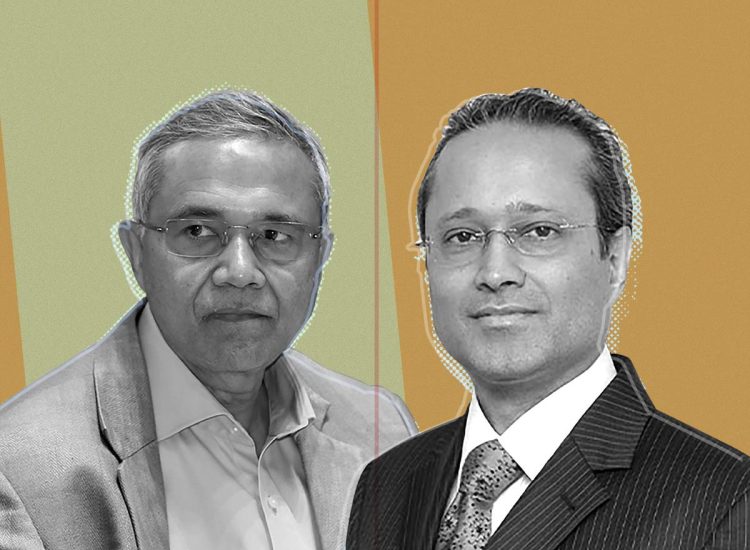
In May 2023, the Times Group underwent a significant restructuring, resulting in the division of assets between brothers Samir and Vineet Jain. Samir Jain took control of the print properties, including The Times of India, while Vineet Jain assumed ownership of the broadcast and radio segments. This strategic split allowed each sibling to focus on their respective domains, ensuring the group’s adaptability in India’s dynamic media landscape.
Despite this division, the Sahu Jain family’s legacy of shaping public opinion through diverse media channels remains steadfast, underscoring their enduring impact on the nation’s discourse. Their ability to remain unseen while influencing India’s narratives is both remarkable and cautionary, serving as a reminder that true influence doesn’t demand attention.
Conclusion: Quiet Moves, Loud Impacts
The Sahu Jain family’s story is a testament to how influence often thrives in silence. Their ability to remain unseen while shaping India’s narratives is both remarkable and cautionary. In an age where visibility equates to power, their silent strategy serves as a reminder: True influence doesn’t demand attention; it commands it.
While they’ve crafted the stories that define India, their own story remains an enigma—a powerful narrative in itself. As India continues to evolve, so too will the shadows in which they operate, reminding us that the greatest moves are often made in silence.
Comments

Hi, I’m Nishanth Muraleedharan (also known as Nishani)—an IT engineer turned internet entrepreneur with 25+ years in the textile industry. As the Founder & CEO of "DMZ International Imports & Exports" and President & Chairperson of the "Save Handloom Foundation", I’m committed to reviving India’s handloom heritage by empowering artisans through sustainable practices and advanced technologies like Blockchain, AI, AR & VR. I write what I love to read—thought-provoking, purposeful, and rooted in impact. nishani.in is not just a blog — it's a mark, a sign, a symbol, an impression of the naked truth. Like what you read? Buy me a chai and keep the ideas brewing. ☕💭 For advertising on any of our platforms, WhatsApp me on : +91-91-0950-0950 or email me @ support@dmzinternational.com