
The Silent Trump Card in the Middle East: Why the Houthis Haven’t Entered the War Yet
In every war, there is always one player who waits in the shadows. Not because they are weak — but because they are being saved for the right moment. In the current tensions involving Iran, Israel, and the United States, many analysts are quietly asking one question:
Why haven’t the Houthis fully entered the war yet?
The answer may reveal one of the most dangerous strategic calculations unfolding in the Middle East today.
Who Are the Houthis?
The Houthis, officially known as Ansar Allah, are a powerful militant movement based in Yemen. They belong to the Zaydi Shia sect and have been fighting Yemen’s government and regional rivals since the early 2000s.
In 2014, the group shocked the world by capturing Sanaa, Yemen’s capital, and gaining control over large parts of northern Yemen.
But the Houthis are no longer just a local rebel group.
Over the years, they have become part of a larger geopolitical network often described as Iran’s “Axis of Resistance”, a loose alliance of groups opposed to U.S. and Israeli influence in the Middle East.
Iran is widely believed to have provided training, weapons, intelligence support, and missile technology to the Houthis. This relationship has turned the Houthis into something far more significant than a Yemeni insurgency.
They have become a strategic pressure point on global trade.
The Power the Houthis Hold Over the World
Yemen sits beside one of the most important maritime choke points on Earth — the Bab el-Mandeb Strait, a narrow passage linking the Red Sea to the Indian Ocean.
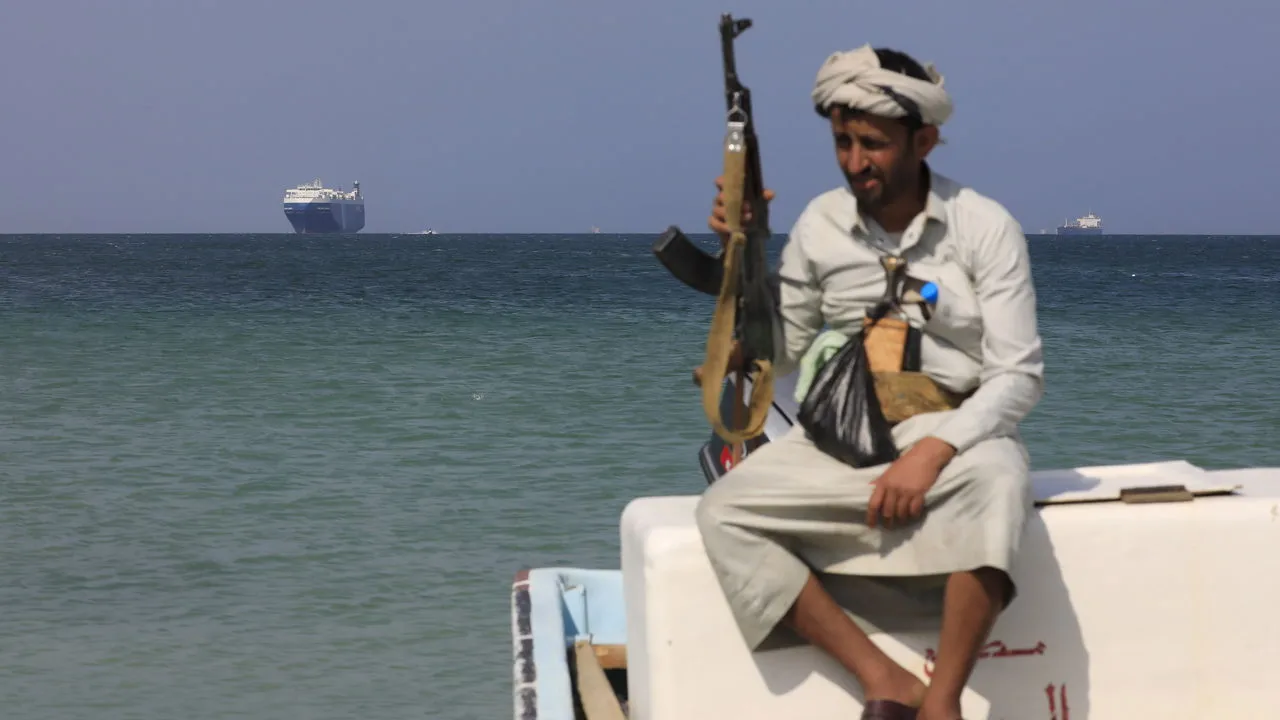
A large percentage of global oil shipments and international cargo ships pass through this narrow route every day.
If this corridor is disrupted, the consequences could ripple across the global economy — affecting oil prices, shipping routes, food supply chains, and international trade.
The Houthis have already demonstrated this capability.
In recent years, they launched drone and missile attacks on commercial vessels in the Red Sea, targeting ships they claimed were linked to Israel and Western countries.
Suddenly, a group operating from one of the world’s poorest countries showed the ability to threaten one of the planet’s most important shipping highways.
This is why many military strategists see them as Iran’s “asymmetric weapon” — a force capable of creating global disruption without Iran directly entering the battlefield.
So Why Haven’t They Fully Joined the War Yet?
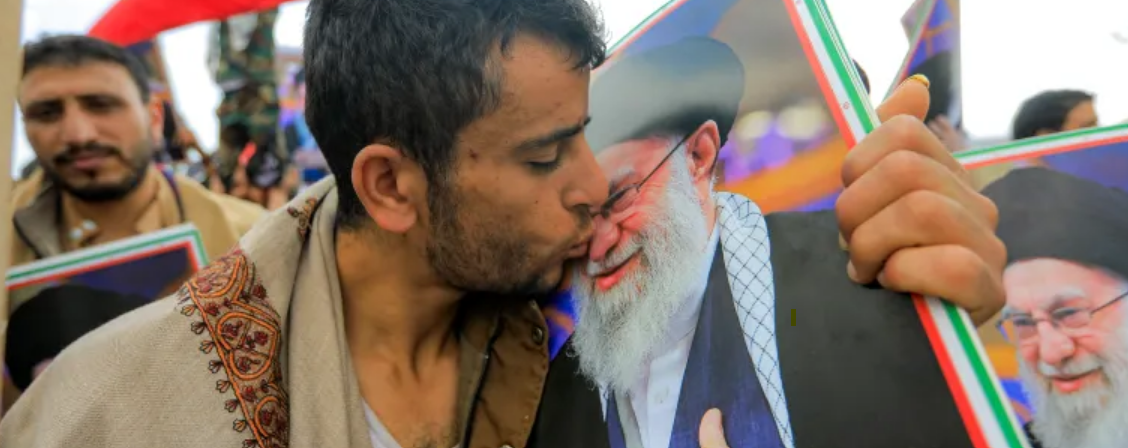
Despite openly supporting Iran, the Houthis have not yet launched a large-scale offensive in the current conflict.
This silence is not accidental.
Several strategic reasons may explain it.
1. Strategic Timing
Iran may be deliberately holding them back.
If Iran itself comes under major direct attack, activating the Houthis could instantly expand the war into the Red Sea and global shipping routes.
In military strategy, this is known as keeping an escalation card for the most critical moment.
2. Economic Warfare
Modern wars are not fought only with tanks and bombs.
They are fought with economic disruption.
If the Houthis target shipping routes, they could:
- Disrupt global oil supply
- Increase fuel prices worldwide
- Delay cargo shipments
- Create panic in global markets
In short, they could hurt the world economy without attacking cities directly.
3. Avoiding Immediate Destruction
If the Houthis begin massive attacks too early, they risk becoming the immediate target of powerful international air strikes.
Waiting allows them to preserve their strength while the larger powers remain distracted elsewhere.
Sometimes in war, survival itself becomes strategy.
What Could Their Real Plan Be?
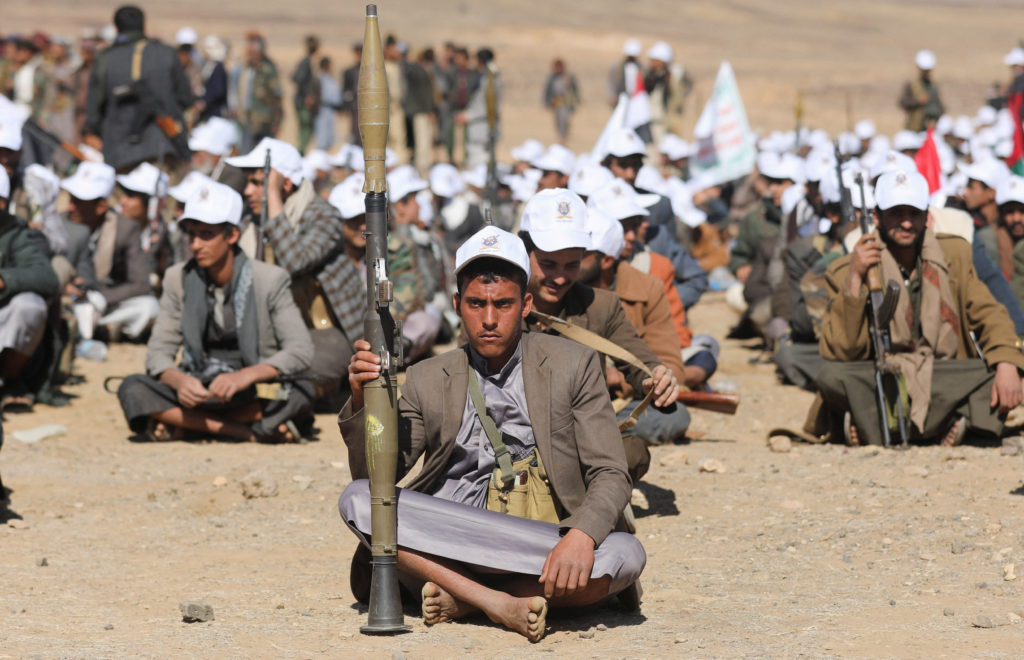
Some geopolitical observers believe the Houthis may be part of a larger coordinated strategy.
In a worst-case scenario:
- Militias in Iraq could target U.S. bases
- Hezbollah could pressure Israel from Lebanon
- Gaza could remain unstable
- And the Houthis could block major sea trade routes
If multiple fronts ignite at the same time, the conflict would not remain regional.
It could quickly trigger a global economic shock, affecting oil prices, supply chains, and international trade.
The Quiet Storm
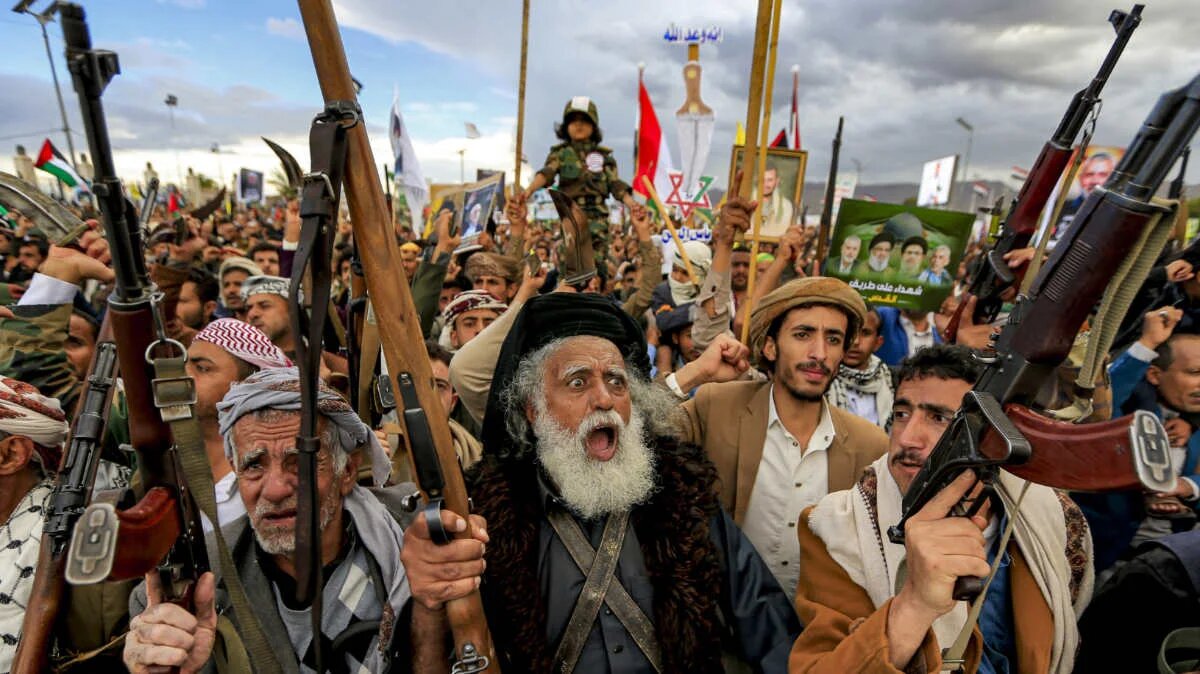
The Houthis are not silent because they are weak.
They may be silent because they are waiting for the moment that creates the biggest impact.
In modern warfare, the most dangerous weapon is not always the one that fires first.
Sometimes, the most powerful weapon is the one that has not fired yet.
Comments

Hi, I’m Nishanth Muraleedharan (also known as Nishani)—an IT engineer turned internet entrepreneur with 25+ years in the textile industry. As the Founder & CEO of "DMZ International Imports & Exports" and President & Chairperson of the "Save Handloom Foundation", I’m committed to reviving India’s handloom heritage by empowering artisans through sustainable practices and advanced technologies like Blockchain, AI, AR & VR. I write what I love to read—thought-provoking, purposeful, and rooted in impact. nishani.in is not just a blog — it's a mark, a sign, a symbol, an impression of the naked truth. Like what you read? Buy me a chai and keep the ideas brewing. ☕💭 For advertising on any of our platforms, WhatsApp me on : +91-91-0950-0950 or email me @ support@dmzinternational.com