Would You Rather Build a Business from Scratch or Own a Part of One?

Starting a business or owning a part of one is a question that many aspiring entrepreneurs face. Both paths have their rewards and challenges, but the decision often boils down to personal risk appetite, creativity, and the drive to innovate. Let’s dive deeper into why some choose to start from scratch, others prefer to invest, and why many avoid business ownership altogether.
Building from Scratch: The Creator’s Journey

Creating a business from scratch is like giving birth to an idea. It’s not just about profits but the passion for creating something meaningful. Entrepreneurs who start from scratch:
- Take the Leap of Faith: They invest in their vision, often putting everything at stake, including time, energy, and resources.
- Innovate to Survive: Think Flipkart’s e-commerce revolution or Ola’s cab aggregation model. These weren’t just businesses; they solved real problems.
- Drive with Passion: Founders are typically fueled by an unwavering belief in their mission, which keeps them going through ups and downs.
However, starting from scratch demands grit, creativity, and resilience. Not everyone has the patience to face the uncertainty and the long hours of hard work that entrepreneurship entails.
Owning a Part of a Business: The Investor’s Perspective

Investing in an existing business or becoming a part-owner is often seen as a safer bet. It’s attractive because:
- Reduced Risk: The business is already operational, with proven demand or profitability.
- Leverage Expertise: Investors can bring in capital or networks without managing day-to-day operations.
- Quick Returns: Unlike startups, established businesses offer a clearer path to profitability.
But this route also comes with its challenges. Bad investors or passive stakeholders can harm a business, as Vinod Khosla aptly pointed out:
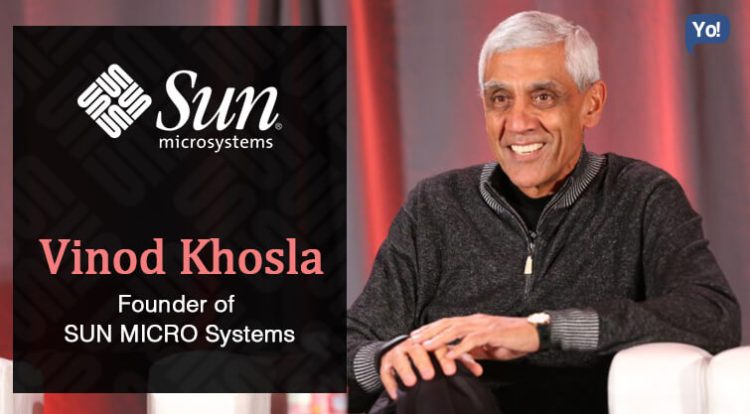
“Just having an MBA and joining a venture fund doesn’t mean you can advise entrepreneurs. If you’ve never built a business, you’re not qualified to give advice.”
Why Many Avoid Business Ownership
Despite the allure, most people shy away from owning or starting businesses. Here’s why:
- Fear of Failure: The idea of losing time, money, or reputation keeps many people from venturing into entrepreneurship.
- Lack of Ideas: A staggering 99% of aspiring entrepreneurs don’t know where to start or what problem to solve.
- Risk Aversion: Stability, a monthly paycheck, and the comfort of a structured life outweigh the chaos and uncertainty of starting a business.
- Experience Gap: Many feel unequipped to handle the complexities of running a business, from finances to marketing.
Lessons from Venture Capitalists and Entrepreneurs

Even seasoned investors like those on Shark Tank India often prefer investing in successful, profit-making businesses. Struggling startups, no matter how promising, are often rejected because:
- Risk Trumps Reward: The sharks themselves are cautious about investing in something that may not yield returns.
- Support Matters: Startups that don’t receive hands-on guidance often crumble under pressure.
Take the case of Quibi, which raised $1.75 billion but collapsed within six months. Why?
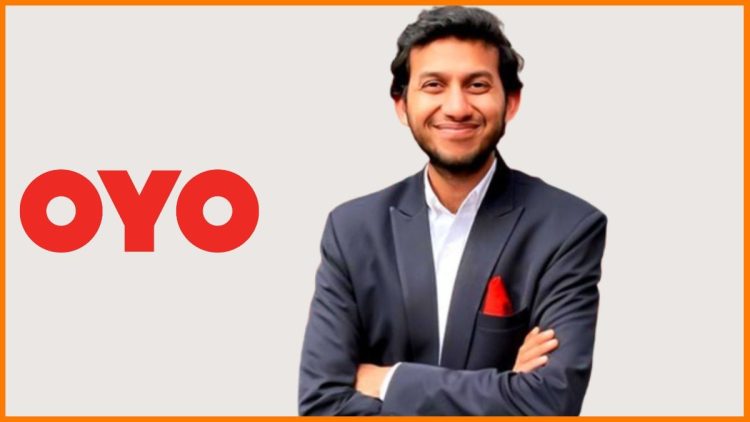
Unrealistic expectations and bad advice from investors who lacked practical experience. On the flip side, founders like Nithin Kamath (Zerodha) and Ritesh Agarwal (OYO) highlight how mentorship and hands-on support can be game-changers.
What Makes a Good Business Owner?
To own or build a successful business, certain qualities stand out:
- Vision and Clarity: Knowing what you want to achieve and having a plan to get there.
- Risk Management: Balancing ambition with calculated risks.
- Experience: Practical knowledge often trumps theoretical degrees.
- Adaptability: Navigating market changes and unexpected challenges with resilience.
- Collaborative Spirit: Surrounding yourself with the right people—whether they’re co-founders, employees, or investors.
Experience Over Degrees
Vinod Khosla’s bold statement—“90% of venture capitalists don’t help startups, and 70% even harm them”—reminds us why experience matters. Investors with no operational experience can give harmful advice, steering businesses in the wrong direction. The real game-changers are those who’ve been in the trenches.
Takeaway for Entrepreneurs
Whether you choose to build a business from scratch or own part of one, the key is aligning with people who share your vision and bring real-world expertise. Remember:
- Don’t just chase money; seek mentors. Investors who’ve built businesses themselves add far more value than those with just academic credentials.
- Focus on solving real problems. Successful businesses like Zoho and Ola didn’t just start—they thrived because they addressed genuine market needs.
- Experience is your greatest asset. Lived experience beats theoretical knowledge any day.
In the end, building or owning a business isn’t just about profits—it’s about passion, perseverance, and partnerships. Whether you’re an entrepreneur or an investor, the journey is a test of character, not just strategy.
💡 What’s your choice? Build or invest? Let us know in the comments!
Comments

Hi, I’m Nishanth Muraleedharan (also known as Nishani)—an IT engineer turned internet entrepreneur with 25+ years in the textile industry. As the Founder & CEO of "DMZ International Imports & Exports" and President & Chairperson of the "Save Handloom Foundation", I’m committed to reviving India’s handloom heritage by empowering artisans through sustainable practices and advanced technologies like Blockchain, AI, AR & VR. I write what I love to read—thought-provoking, purposeful, and rooted in impact. nishani.in is not just a blog — it's a mark, a sign, a symbol, an impression of the naked truth. Like what you read? Buy me a chai and keep the ideas brewing. ☕💭 For advertising on any of our platforms, WhatsApp me on : +91-91-0950-0950 or email me @ support@dmzinternational.com