
Zara: Unveiling the Truth Behind the Fast Fashion Giant’s Ethical and Sustainable Practices
Zara, a renowned fashion brand, has captured the attention of millions of fashion enthusiasts worldwide with its trendy designs and affordable prices. However, the brand’s rapid production and distribution have raised questions about its impact on the environment, ethics, and sustainability. In this blog, we will delve into the history of Zara, its practices, and explore whether it truly qualifies as a fast fashion brand or has made strides towards becoming more ethical and sustainable. Additionally, we will discuss some sustainable alternatives for those seeking to make more responsible fashion choices.
1. What is Zara?
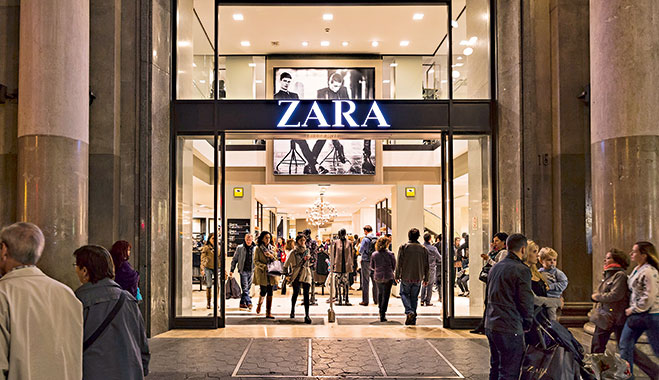
Zara is a Spanish fashion retailer that forms part of the Inditex group, the world’s largest fashion retailer. The brand is famous for its fast turnaround of designs from concept to store shelves, making it one of the pioneers of the fast fashion business model. Zara offers a wide range of clothing, accessories, and footwear for men, women, and children.
2. When Was Zara Founded?
Zara was founded in 1974 by Amancio Ortega in La Coruña, Spain. It began as a small store selling affordable replicas of popular fashion trends. Over the years, it rapidly expanded and evolved into a global brand.
3. Where is Zara Located?
Zara’s headquarters are located in Arteijo, a municipality in the province of A Coruña, Galicia, Spain. The brand has a vast international presence with stores in numerous countries.
4. Where Does Zara Ship From?
Zara operates e-commerce websites in many countries, allowing them to ship products directly to customers’ doorsteps. The shipping locations may vary based on the customer’s location and the distribution centers the brand uses.
5. Is Zara Ethical? Does Zara Use Child Labor?

Zara has faced criticism in the past regarding ethical issues in its supply chain. There have been allegations of exploitative labor practices and sweatshops in some of the factories producing Zara’s garments. However, Zara has taken steps to address these issues and claims to have improved its labor standards by implementing a Code of Conduct for its suppliers. The brand also joined the Sustainable Apparel Coalition, indicating a commitment to improve its sustainability and ethical practices.
6. Zara’s Animal Welfare Policies:
Zara has banned the use of fur in its products since 2019. Additionally, the brand has committed to eliminating other exotic animal skins like python, lizard, and ostrich from its collections, contributing to animal welfare concerns.
7. Is Zara Sustainable?
While Zara has taken some steps towards sustainability, the fast fashion model inherently raises concerns about its environmental impact. Fast fashion relies on quick production cycles, leading to overconsumption and increased waste. However, Zara claims to be implementing more sustainable practices, such as recycling clothes through in-store collection points and incorporating eco-friendly materials in some of its collections.
8. Is Zara Fast Fashion?

Yes, Zara falls under the category of fast fashion. The brand’s business model focuses on rapidly producing and distributing new fashion trends to stores, encouraging consumers to make frequent purchases. This fast turnaround comes at the expense of increased resource consumption and potential exploitation of labor.
9. Is Zara Legit?
Zara is a legitimate and well-established brand within the fashion industry. It operates numerous physical stores globally and maintains an extensive online presence, making it easily accessible to consumers worldwide.
10. Fast Fashion Brands Similar to Zara:

– H&M
– Forever 21
– Topshop
– ASOS
– Uniqlo
11. Some of the Best Sustainable Alternatives to Zara:

1. Reformation: Reformation is a sustainable fashion brand known for its eco-friendly materials and transparent production practices.
2. ABLE: ABLE focuses on empowering women through fair wages and ethical labor practices while offering a range of stylish clothing and accessories.
3. Vetta: Vetta offers versatile capsule collections designed to minimize waste and maximize outfit options.
4. Mila.Vert: Mila.Vert is a sustainable brand that uses organic and eco-friendly materials, emphasizing timeless and durable designs.
Final Thoughts:

As consumers, our choices play a significant role in shaping the fashion industry’s direction. While Zara has made efforts to improve its ethical and sustainable practices, it still faces challenges due to its fast fashion business model. As an alternative, exploring and supporting more sustainable brands can help contribute to a more eco-friendly and ethical fashion landscape. By making conscious decisions, we can collectively encourage the fashion industry to move towards a more sustainable and responsible future.
Comments

Hi, I’m Nishanth Muraleedharan (also known as Nishani)—an IT engineer turned internet entrepreneur with 25+ years in the textile industry. As the Founder & CEO of "DMZ International Imports & Exports" and President & Chairperson of the "Save Handloom Foundation", I’m committed to reviving India’s handloom heritage by empowering artisans through sustainable practices and advanced technologies like Blockchain, AI, AR & VR. I write what I love to read—thought-provoking, purposeful, and rooted in impact. nishani.in is not just a blog — it's a mark, a sign, a symbol, an impression of the naked truth. Like what you read? Buy me a chai and keep the ideas brewing. ☕💭 For advertising on any of our platforms, WhatsApp me on : +91-91-0950-0950 or email me @ support@dmzinternational.com