
When Parliament Fell Silent: Why Atal Bihari Vajpayee Still Stands Taller Than His Party

There was a time in Indian politics when the Lok Sabha didn’t sound like a fish market.
A time when even the fiercest rivals stopped whispering, stopped heckling, and simply listened.
That silence had a name: Atal Bihari Vajpayee.
Not because he shouted the loudest.
Not because he had brute numbers.
But because he earned respect across party lines—something today’s politics treats as a weakness.
A Parliament That Respected Words, Not Volume
When Vajpayee spoke, Congress listened. Left listened. Socialists listened. Even those who hated his ideology listened.
Why?
Because his speeches carried:
- Moral clarity without arrogance
- Opposition without venom
- Criticism without character assassination
He proved one dangerous truth:
👉 You can oppose someone fiercely without dehumanising them.
Today, that sounds revolutionary.
Vajpayee and Nehru: A Lesson Modern BJP Forgot
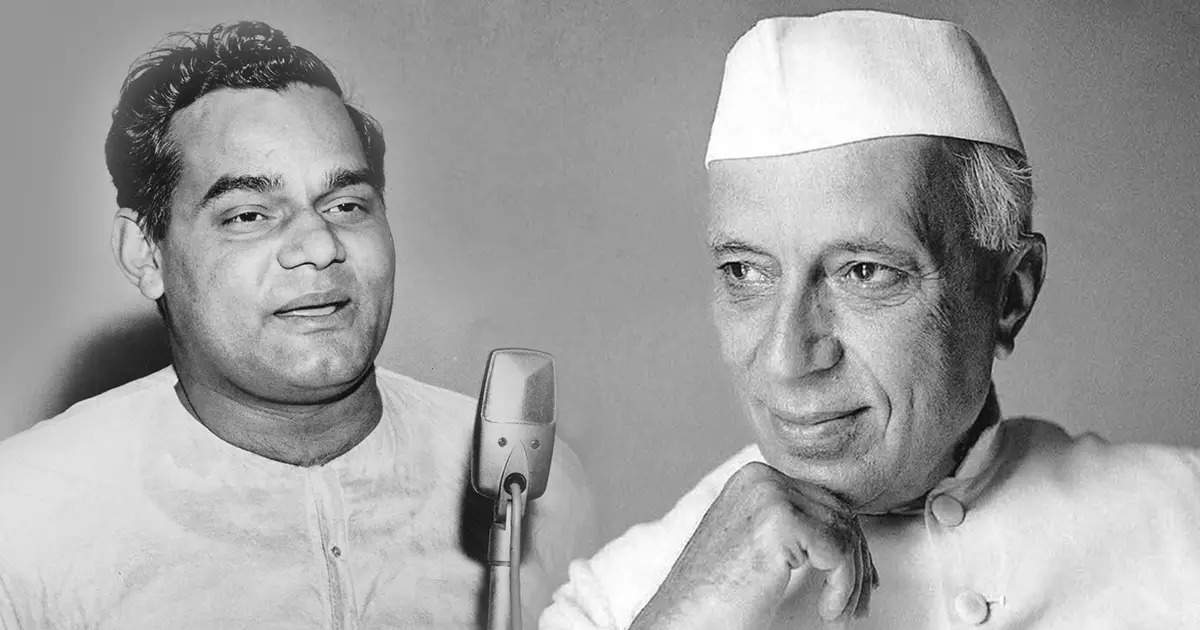
In 1999, Vajpayee spoke in Parliament about Jawaharlal Nehru—not as an enemy, but as a democrat.
He openly admitted:
- Yes, he protested Nehru
- Yes, he opposed his policies
- Yes, he fought him politically
But he also said something today’s politics cannot digest:
“Pandit Nehru was a great man. A great parliamentarian. A great democrat.”
The Nehru Portrait Incident
When Vajpayee was External Affairs Minister (1977–79), he reportedly noticed that Nehru’s portrait was missing from a government building.
Instead of celebrating its removal, Vajpayee questioned it and insisted it be put back.
His logic was simple—and devastating:
You don’t erase history because you disagree with it.
Compare that to today:
- Textbooks rewritten
- Statues removed
- History filtered through political convenience
This is the difference between ideological confidence and insecurity.
Protesting Nehru, Respecting Nehru: A Rare Balance
Vajpayee criticised Nehru’s:
- China policy
- Economic centralisation
- Kashmir handling
But he never questioned Nehru’s intentions, integrity, or place in history.
Modern politics doesn’t argue policies.
It assassinates legacies.
The Geneva Shock: When the PM Trusted His Opponent
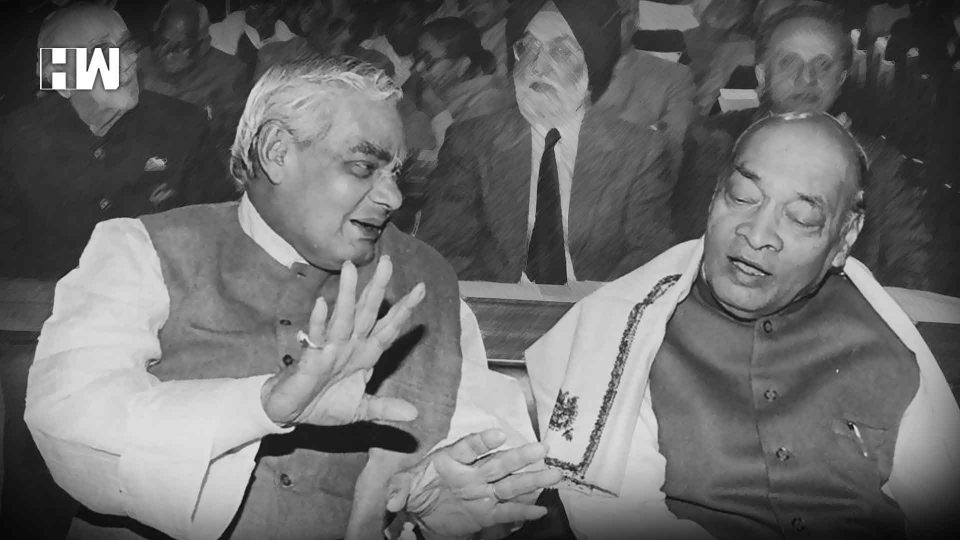
One of the most stunning acknowledgements of Vajpayee’s stature came from P. V. Narasimha Rao.
During the Kashmir discussions at Geneva (1994), Rao selected Atal Bihari Vajpayee—then Leader of the Opposition—to represent India internationally.
Let that sink in.
A Prime Minister trusted the opposition leader to defend India’s national interest on a global stage.
Why?
Because Rao knew:
- Vajpayee would never embarrass India for politics
- He would argue India’s case, not his party’s
Today, opposition leaders are treated as enemies of the state.
Back then, they were treated as custodians of democracy.
Why Everyone Respected Vajpayee—Even His Critics
Here’s what made Vajpayee different, and painfully absent today:
1. He Never Weaponised Hatred
No religious baiting.
No crowd-inciting speeches.
No dog-whistles disguised as nationalism.
2. He Never Treated Parliament as a Boxing Ring
Debate was sacred.
Disagreement was intellectual, not personal.
3. He Accepted Praise From Opponents Gracefully
And criticism without sulking.
4. He Never Confused Party Loyalty With National Loyalty
A mistake modern politics commits daily.
5. He Knew Power Is Temporary, Reputation Is Permanent
That’s why history still speaks kindly of him.
“The Right Politician in the Wrong Party?”
This line is whispered often—and sometimes said aloud:
“Vajpayee was the right politician in the wrong party.”
Is it entirely fair? Maybe not.
But it does reveal something uncomfortable.
Vajpayee’s values often clashed with:
- Majoritarian arrogance
- Political bullying
- Disrespect for institutions
He was BJP’s tallest leader—yet also its moral outlier.
After him, the party chose:
- Volume over vocabulary
- Dominance over dignity
- Loyalty over intellect
Why No Vajpayee Exists in BJP Today
Let’s be brutally honest.
Today’s political ecosystem:
- Punishes moderation
- Rewards aggression
- Confuses obedience with leadership
A Vajpayee today would be called:
- “Soft”
- “Confused”
- “Not ideological enough”
In short, unelectable in today’s BJP machinery.
And that is the real tragedy.
What India Lost With Vajpayee’s Era
India lost:
- A bridge between ideologies
- A reminder that opposition is patriotic
- A belief that politics can still be civil
He wasn’t perfect.
But he was decent.
And in today’s politics, decency itself feels radical.
Final Thought
Atal Bihari Vajpayee proved one uncomfortable truth:
👉 You don’t need to hate your opponent to defeat them.
👉 You don’t need to erase history to write your own.
👉 And you don’t need to shout to be heard.
Parliament once fell silent when he spoke.
Today, it falls apart.
That silence is missed.
Comments

Hi, I’m Nishanth Muraleedharan (also known as Nishani)—an IT engineer turned internet entrepreneur with 25+ years in the textile industry. As the Founder & CEO of "DMZ International Imports & Exports" and President & Chairperson of the "Save Handloom Foundation", I’m committed to reviving India’s handloom heritage by empowering artisans through sustainable practices and advanced technologies like Blockchain, AI, AR & VR. I write what I love to read—thought-provoking, purposeful, and rooted in impact. nishani.in is not just a blog — it's a mark, a sign, a symbol, an impression of the naked truth. Like what you read? Buy me a chai and keep the ideas brewing. ☕💭 For advertising on any of our platforms, WhatsApp me on : +91-91-0950-0950 or email me @ support@dmzinternational.com


