
The Man Who Refused to Quit — And Why He Is Just Getting Started
Some people are born into purpose. I was not. I had to fail my way into it.
I grew up in Kollam, Kerala, watching my grandfather run a textile business. I didn’t study his ledgers. I didn’t analyse his margins. I just watched him — the way he spoke to people, the way his hands moved when he was deciding something, the quiet authority of a man who built something with his own name on it. That image sat somewhere deep in me for decades before I understood what it was doing there.
School passed. BCom in Trivandrum. MCA from Madurai. Then Bangalore in 2002, because that’s where IT engineers were supposed to go. ITC, then Oracle. A salary, a designation, a career path that looked perfectly respectable from the outside. And yet, something kept pulling. Always pulling.
2006. A dating website. No, seriously.
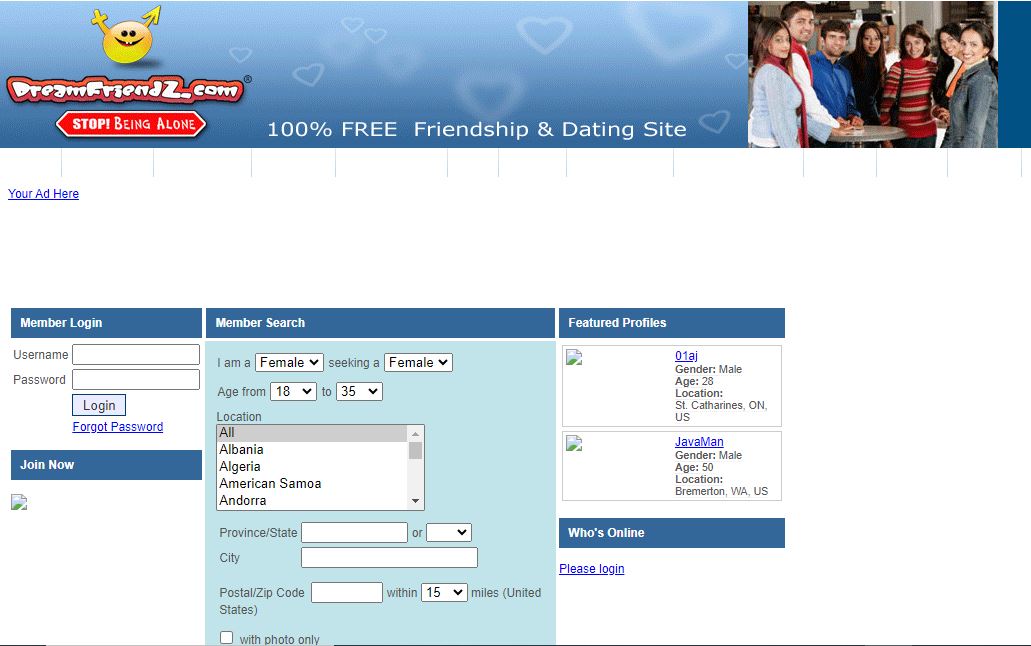
DreamFriendZ.com launched the same year Facebook opened to the public. I had Google Adsense money coming in and I genuinely thought I had cracked the code. Then Google pulled the plug. The hosting bills kept coming. The website died.
Most people would have filed that under “bad idea, never again.” I filed it under “round one.”
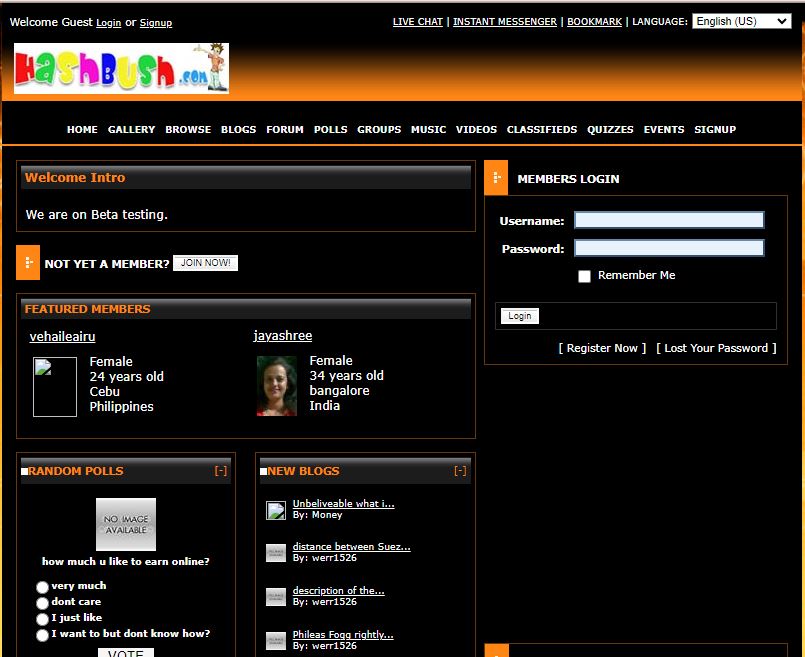
HashBush.com in 2008 — social networking, ad revenue model. Advertisers didn’t come. Dead.
EarningPals.com in 2012 — revenue share for members. Members made money. I didn’t.

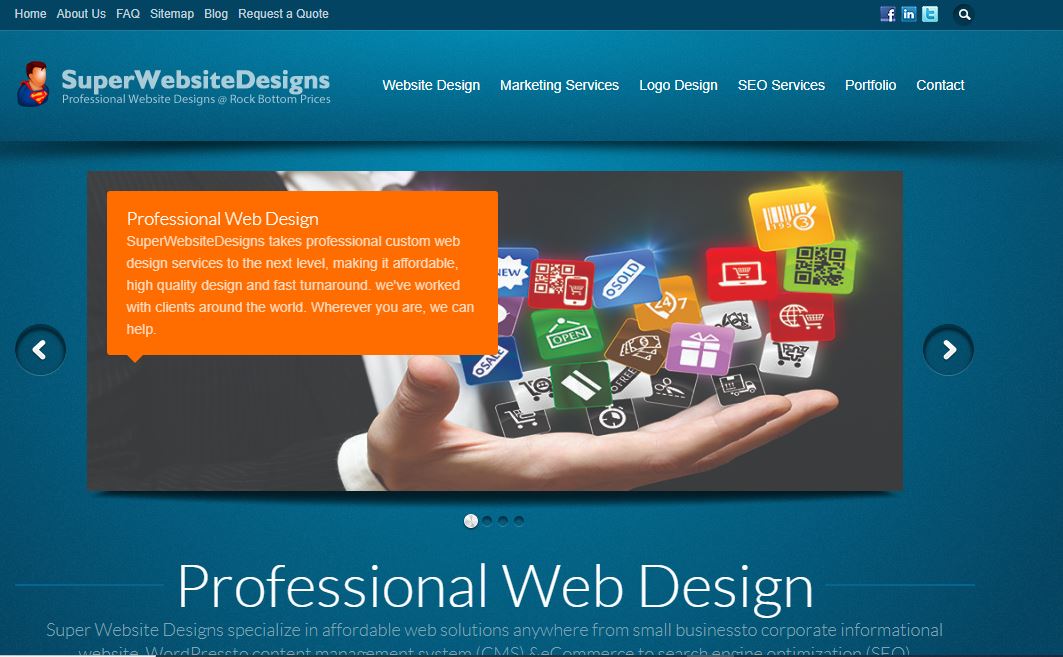
Gone. SuperWebsiteDesigns.com in 2013 — great until every second person in Bangalore became a web developer.
Traffic-Reseller.com in 2014 — this one actually worked. 50,000 to 100,000 INR a day in revenue.
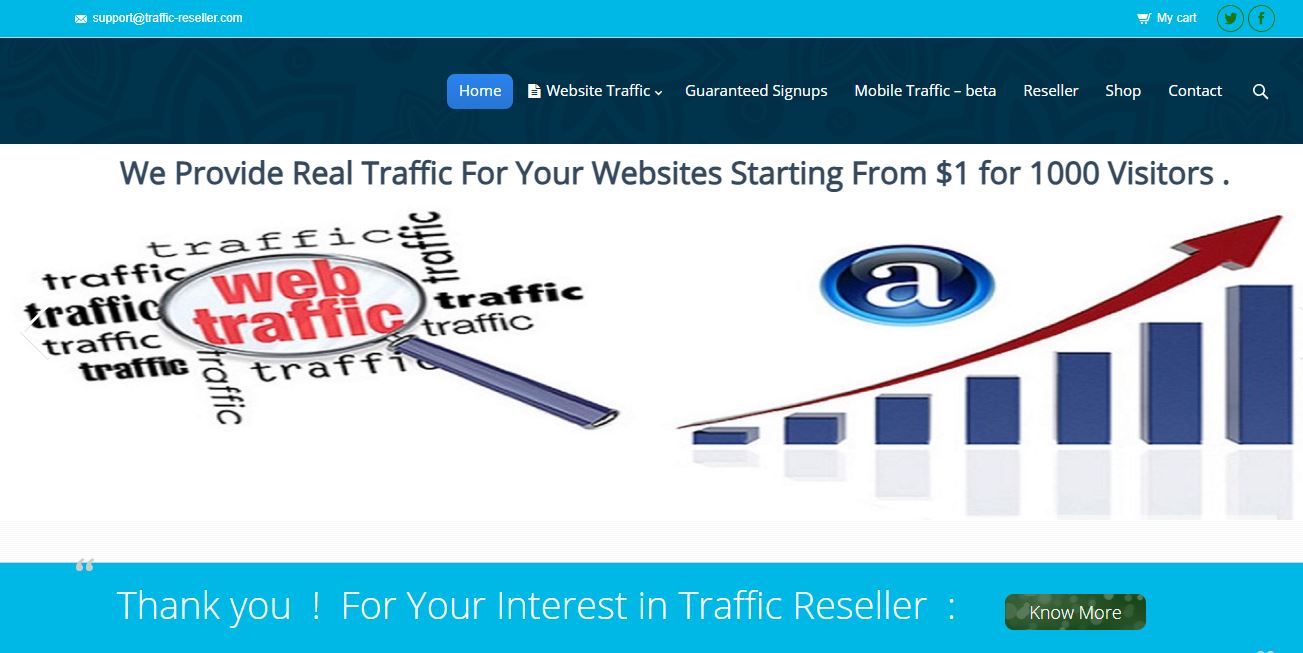
Then the market commoditised and the window closed.

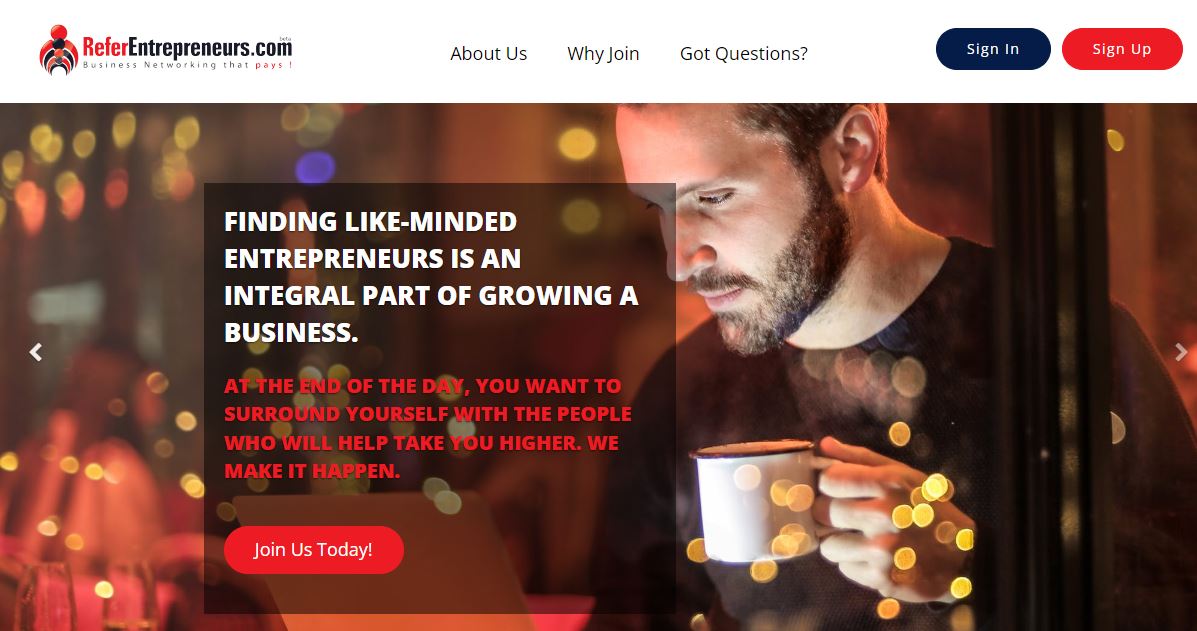
AdvanceDigitalSolutions.com, ReferEntrepreneurs.com — each one a lesson dressed as a failure.
Here is what nobody tells you about failing this many times: it stops being embarrassing. It starts being data.
The pivot nobody saw coming — including me.
In 2019, DMZ International was importing automotive accessories, selling on Amazon and Flipkart. Then COVID hit. Chinese imports froze. Supply chains collapsed. I was staring at another dead end.

But the pandemic also created something else: silence. And in that silence, I finally heard what my grandfather’s image had been trying to tell me all along.
India’s handloom weavers were disappearing. Not slowly. Rapidly. An entire civilisation of skill — Jamdani, Kanjivaram, Pochampally, Gadwal, Muga — communities whose ancestors had woven fabric for Mughal courts and colonial export houses, were now unable to afford two meals a day. Machine-made polyester labelled “handloom” was flooding the market. Counterfeit products were undercutting the real ones. And the weavers? They had no voice, no market access, no protection. They were breathing on a ventilator — and most of India didn’t even know the machine was beeping.
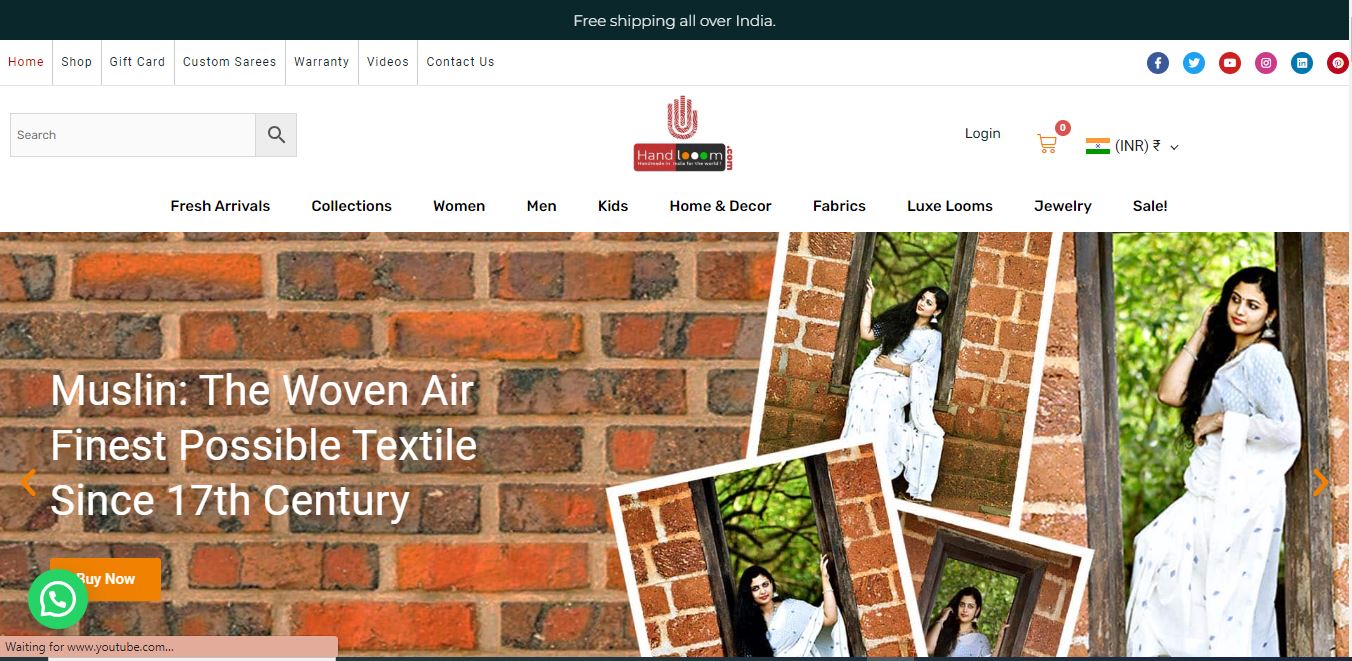
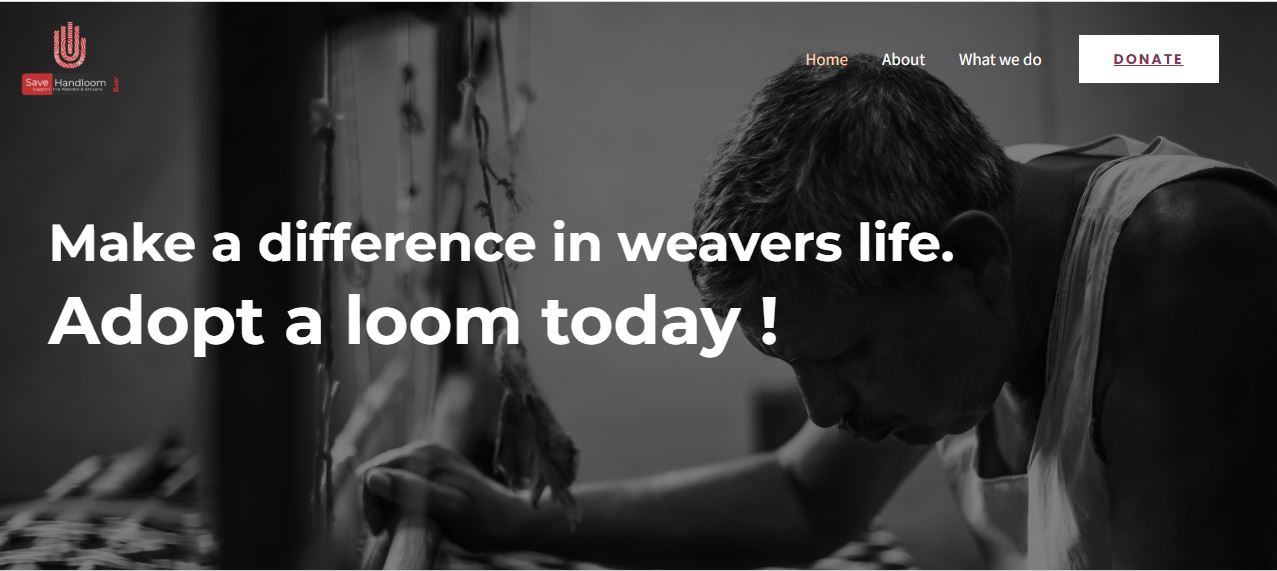
Handlooom.com launched in 2020. Save Handloom Foundation — a Public Charitable Trust registered in Karnataka — followed. DMZ International, my private limited company, became the commercial engine. The Foundation became the purpose.
And I still report to work at CGI every morning.
That dual existence is not a contradiction. It is strategy.
What comes next is not a holiday. It is a calling.
The plan, when the job ends around 2030–31, is not retirement in the conventional sense. There will be no beach chair. There will be a motorhome, a camera crew, and an open road stretching across all 28 states of India.
Village by village. Loom by loom.
Every weaver cluster — from the Muga silk farmers of Assam to the Kota Doria weavers of Rajasthan to the Venkatagiri artisans of Andhra — documented, filmed, and introduced to the world through YouTube. Every family’s story told. Every threatened tradition brought before a public that has been too distracted to notice what is being lost.
And it goes beyond documentation. The technical skills I have spent decades building — IT architecture, cloud infrastructure, digital systems — will be applied to the handloom ecosystem in ways that have never been tried at this scale. Digital Product Passports to authenticate genuine handloom and eliminate counterfeits. Blockchain-backed supply chain transparency. AI-assisted market linkages that connect weavers directly to conscious buyers. Technology not as a buzzword, but as a weapon against exploitation.
The journey will take more than a year. It will be uncomfortable, exhausting, and probably underfunded at times. Good.
Here is the uncomfortable question I will leave you with:
We are a nation that takes immense pride in our cultural heritage — in our textiles, our crafts, our living traditions. We put handloom on our government websites and our tourism brochures. And yet, less than 35 lakh weavers remain active in India today, down from over 65 lakh two decades ago. The extinction is happening in real time, in real villages, to real human beings.
The question is not whether someone should do something about it.
The question is: how many more will be gone by the time someone does?
I intend to find out — and to change the answer.
Comments

Hi, I’m Nishanth Muraleedharan (also known as Nishani)—an IT engineer turned internet entrepreneur with 25+ years in the textile industry. As the Founder & CEO of "DMZ International Imports & Exports" and President & Chairperson of the "Save Handloom Foundation", I’m committed to reviving India’s handloom heritage by empowering artisans through sustainable practices and advanced technologies like Blockchain, AI, AR & VR. I write what I love to read—thought-provoking, purposeful, and rooted in impact. nishani.in is not just a blog — it's a mark, a sign, a symbol, an impression of the naked truth. Like what you read? Buy me a chai and keep the ideas brewing. ☕💭 For advertising on any of our platforms, WhatsApp me on : +91-91-0950-0950 or email me @ support@dmzinternational.com