
Three Days Without Normal Life: WhyGovernments Are Asking Families to Prepare for Emegencies
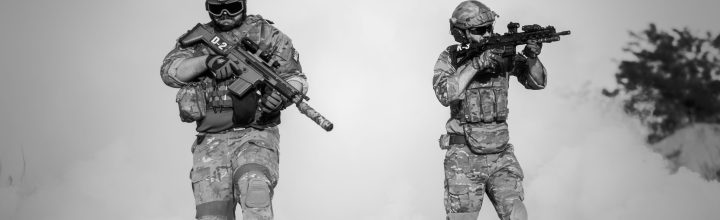
Imagine waking up tomorrow to find that the electricity is gone, your phone has no network, online payments are failing, and water is no longer flowing from your tap. Supermarkets may be closed, deliveries delayed, and ordinary services unavailable. How long could your family manage without outside help?
This is the question governments across several countries are encouraging households to consider—not because disaster is inevitable, but because modern life depends on systems that can occasionally fail.
Why Is the UK Asking People to Be Ready?
On 22 October 2026, the UK government launched its Be Ready campaign, encouraging households to prepare for up to three days of disruption. The advice covers emergencies such as severe storms and interruptions to electricity, water, telephone networks and internet services.
The recommendation is straightforward: keep essential supplies at home so your family can manage for approximately 72 hours if normal services are disrupted.
For drinking water, the UK guidance recommends around three litres per person per day. That means nine litres per person for three days. A family of four would therefore need 36 litres of drinking water for the same period. Additional water may be necessary for cooking, washing and other household needs.
The objective is not to turn every home into a bunker. It is to reduce the panic and dependence that follow an unexpected interruption.
This Is Not Just a British Idea
The UK is not alone in encouraging household preparedness.
The European Commission introduced its Preparedness Union Strategy on 26 March 2025. Among its recommendations was that people maintain essential supplies sufficient for at least 72 hours during an emergency. The strategy addresses a broad range of risks, including natural disasters, geopolitical tensions and cybersecurity threats.
Japan has long promoted household disaster preparedness because earthquakes, tsunamis and other natural hazards can disrupt essential services. Its government recommends storing at least three days of food and water, with a week’s supply preferable when preparing for major disasters. Its guidance also recommends emergency bags, flashlights, spare batteries and first-aid supplies.
France has an official 72-hour emergency-kit recommendation, while the Netherlands advises households to keep drinking water, non-perishable food and other essential items ready. The UK government has also explicitly identified France, Ireland and the Netherlands as countries already using similar three-day preparedness advice.
The common message is clear: preparation should begin before an emergency, not after one.
What Should a Household Keep Ready?
An emergency kit does not need to be expensive or complicated. Start with essentials that can help your family function without electricity, running water or immediate access to shops.
Consider keeping:
- Drinking water: At least three litres per person per day, with additional water for other needs.
- Food: Rice, ready-to-eat meals, canned foods, nuts, biscuits and other items that last without refrigeration.
- Medicines: Regular prescriptions, basic first-aid supplies and necessary medical equipment.
- Lighting and communication: A torch, spare batteries, a charged power bank and a battery-powered or wind-up radio.
- Hygiene essentials: Soap, wet wipes, sanitary products, toilet paper and suitable emergency sanitation supplies.
- Important documents and money: Copies of essential documents, emergency contact numbers and some cash in case digital payments or ATMs stop working.
Remember to include the specific needs of children, older adults, people with disabilities and pets. Check expiry dates regularly and replace whatever you use.
One practical approach is to buy a little extra of the food your family already eats, consume older supplies first, and replenish them during regular shopping. This makes preparedness affordable and reduces waste.
What Does This Mean for India?
India has its own reasons to take household preparedness seriously. Floods, cyclones, heatwaves, landslides, earthquakes and prolonged power cuts can disrupt daily life in different regions. Heavy rainfall can also interrupt transport, supply chains and access to essential services.
Indian households do not need to copy another country’s emergency plan exactly. They should prepare according to local risks, family size, climate and medical needs.
For example, a family in a flood-prone area may need waterproof document storage and an evacuation plan. A household facing frequent power cuts may prioritise torches, power banks and essential medical-device backups. Families dependent on regular medication should maintain an appropriate reserve in consultation with their healthcare providers.
Preparedness also means knowing emergency contact numbers, identifying safe evacuation routes and checking on elderly neighbours who may need assistance.
Preparedness Is Not a Prediction of Disaster
When governments tell citizens to prepare for emergencies, it is easy to interpret the message as evidence that something terrible is about to happen. That conclusion does not follow from the advice itself.
These recommendations are precautionary measures designed to reduce vulnerability if essential services fail. They do not establish that a war, major cyberattack or catastrophe is imminent.
We routinely insure our homes without expecting them to burn down. We wear seat belts without planning to crash. Keeping emergency supplies follows the same logic.
The real question is not whether a disaster will happen tomorrow. It is whether we can protect ourselves and help others if an unexpected disruption occurs.
A few bottles of water, some shelf-stable food, essential medicines and a simple family plan may seem insignificant during ordinary days. During an emergency, they can make an enormous difference.
Preparedness is not fear. It is responsibility, foresight and a little common sense—three things worth keeping in every household.
Comments

Hi, I’m Nishanth Muraleedharan (also known as Nishani)—an IT engineer turned internet entrepreneur with 25+ years in the textile industry. As the Founder & CEO of "DMZ International Imports & Exports" and President & Chairperson of the "Save Handloom Foundation", I’m committed to reviving India’s handloom heritage by empowering artisans through sustainable practices and advanced technologies like Blockchain, AI, AR & VR. I write what I love to read—thought-provoking, purposeful, and rooted in impact. nishani.in is not just a blog — it's a mark, a sign, a symbol, an impression of the naked truth. Like what you read? Buy me a chai and keep the ideas brewing. ☕💭 For advertising on any of our platforms, WhatsApp me on : +91-91-0950-0950 or email me @ support@dmzinternational.com