
Empowering India’s Weavers and Artisans: Harnessing CSR Funds for Handloom Trusts

Corporate Social Responsibility (CSR) has emerged as a powerful tool for businesses to contribute to society. 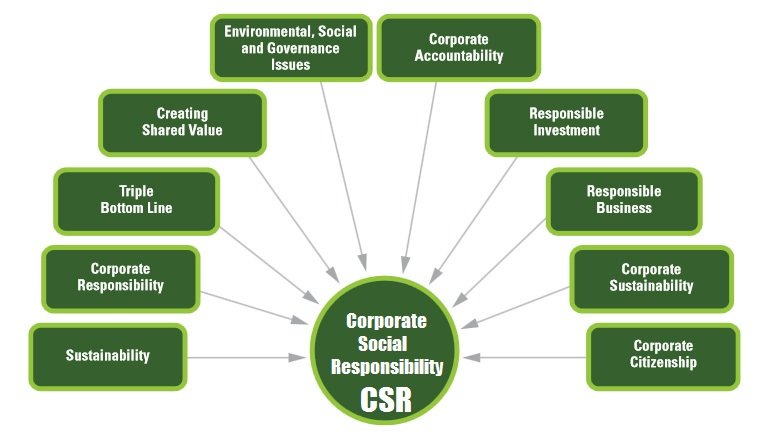
In India, CSR funding has the potential to play a pivotal role in revitalizing the handloom sector, supporting weavers, and preserving traditional art forms. This article aims to outline the process and steps that handloom-related trusts can follow to acquire CSR funds and how they can effectively utilize these funds to uplift the lives of weavers and artisans across the country.
1. Understanding CSR and Its Relevance:

CSR refers to a company’s commitment to operating ethically and responsibly, with a focus on contributing to sustainable development and societal well-being. Under the Companies Act, 2013, certain qualifying businesses are mandated to allocate a portion of their profits towards CSR activities. By aligning with handloom-related trusts, corporations can positively impact the livelihoods of weavers and artisans, thus promoting socio-economic development.
2. Establishing a Public Charitable Trust:
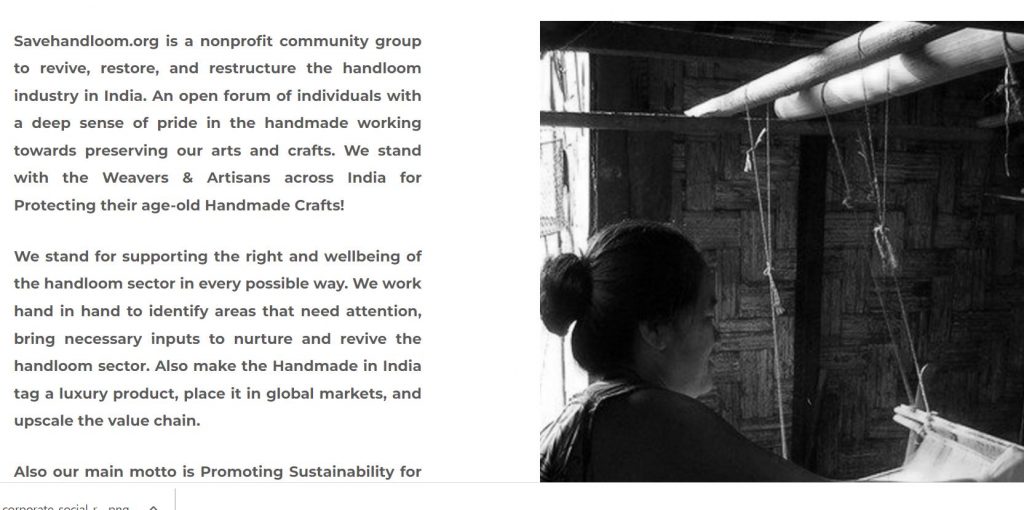
To be eligible for CSR funding, handloom-related initiatives must establish a public charitable trust or an NGO. This involves registering the trust under the appropriate authorities, such as the Indian Trusts Act, 1882, or the Societies Registration Act, 1860. The trust should have a clear mission statement, objectives, and a governance structure that ensures transparency and accountability.
3. Identifying Potential CSR Partners:

Reach out to corporations that have a commitment to CSR and align with their objectives. Conduct thorough research to identify potential partners that share a common vision of uplifting weavers and artisans. Engage in dialogue with these companies to build relationships, understand their priorities, and showcase how your trust’s initiatives can contribute to their CSR objectives.
4. Proposal Development:

Craft a compelling proposal outlining your trust’s goals, strategies, and expected outcomes. The proposal should clearly demonstrate how CSR funds will be utilized to benefit weavers and artisans. Highlight the trust’s past achievements, partnerships, and the tangible impact it has had on the community. Tailor the proposal to align with the specific CSR focus areas of potential corporate partners.
5. Applying for CSR Funding:

Once the proposal is finalized, submit it to the CSR departments of selected companies. Follow the specific application guidelines provided by each company, which may include submission deadlines, formats, and required supporting documents. Ensure that the proposal highlights the trust’s credibility, transparency, and its compliance with legal and regulatory norms.
6. Utilizing CSR Funds:

Once CSR funds are acquired, it is essential to utilize them effectively to maximize their impact on weavers and artisans. The following approaches can be considered:
a) Skill Development and Training:

Organize workshops, training programs, and skill development initiatives to enhance the capabilities of weavers and artisans. Focus on imparting technical skills, design innovation, and business management expertise to enable them to adapt to changing market trends.
b) Infrastructure Development:
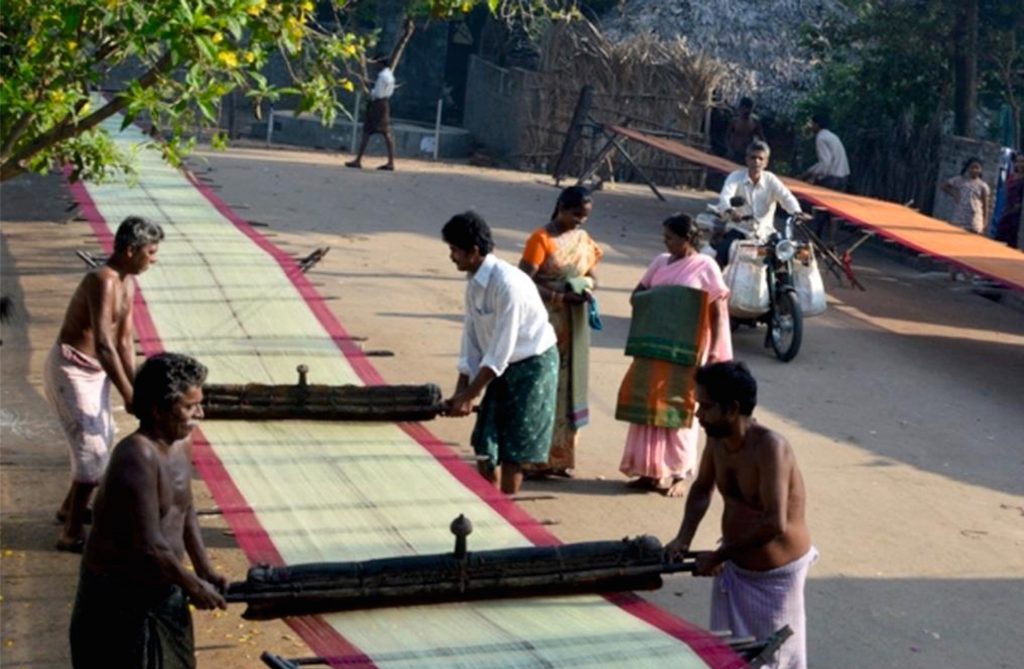
Enhance the infrastructure available to weavers and artisans by establishing weaving centers, design studios, and common facilities for dyeing, washing, and finishing. This will improve productivity, efficiency, and the quality of their products.
c) Market Linkages and Promotion:
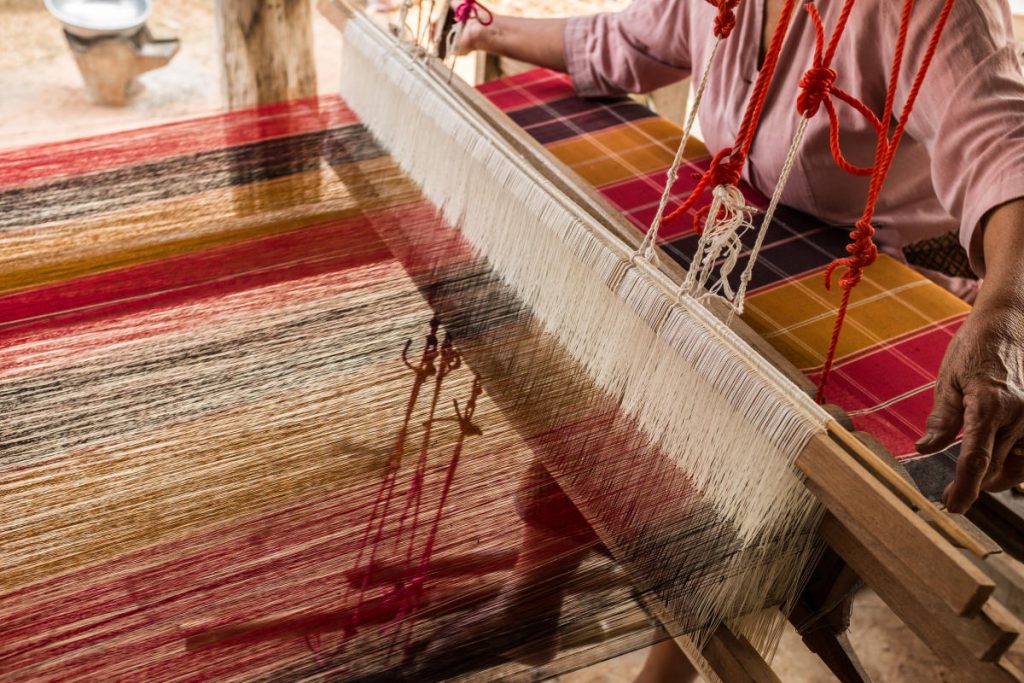
Help weavers and artisans access larger markets and increase their visibility through marketing initiatives, e-commerce platforms, exhibitions, and trade fairs. Facilitate collaborations between weavers and designers to create contemporary products that appeal to a wider customer base.
d) Financial Support and Welfare:

Offer financial aid, interest-free loans, and micro-credit facilities to weavers and artisans. Establish welfare programs that provide health insurance, educational support for their children, and pension schemes to ensure their overall well-being.
e) Preservation of Traditional Art Forms:
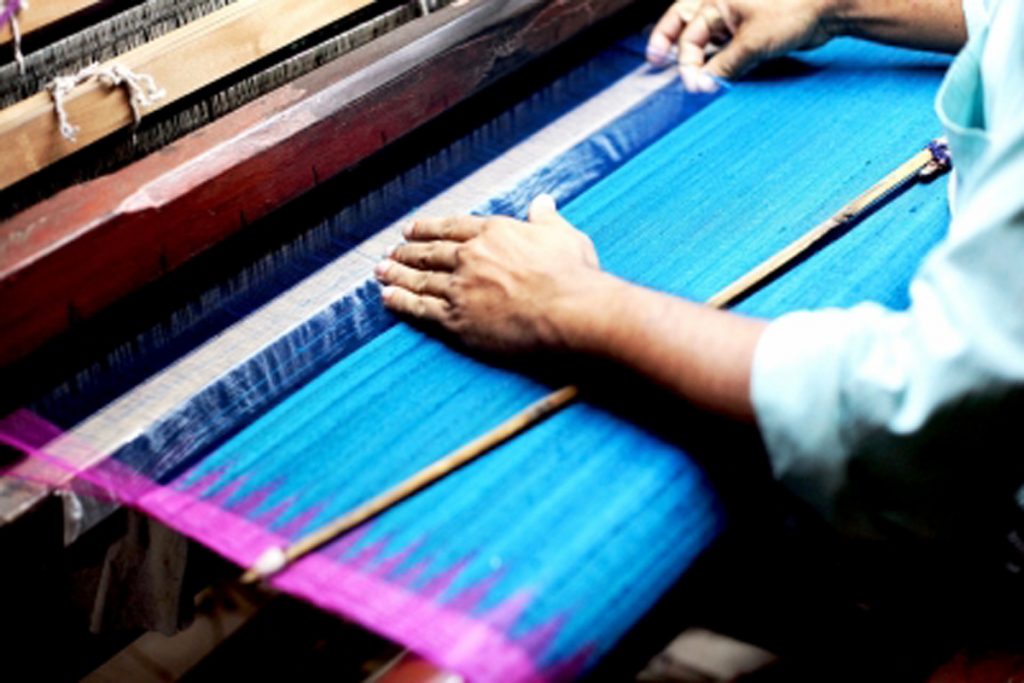
Encourage the preservation and promotion of traditional handloom techniques.
Comments

Hi, I’m Nishanth Muraleedharan (also known as Nishani)—an IT engineer turned internet entrepreneur with 25+ years in the textile industry. As the Founder & CEO of "DMZ International Imports & Exports" and President & Chairperson of the "Save Handloom Foundation", I’m committed to reviving India’s handloom heritage by empowering artisans through sustainable practices and advanced technologies like Blockchain, AI, AR & VR. I write what I love to read—thought-provoking, purposeful, and rooted in impact. nishani.in is not just a blog — it's a mark, a sign, a symbol, an impression of the naked truth. Like what you read? Buy me a chai and keep the ideas brewing. ☕💭 For advertising on any of our platforms, WhatsApp me on : +91-91-0950-0950 or email me @ support@dmzinternational.com


