The Synthetic Fiber Menace in India: Reliance Industries’ Contribution to Pollution

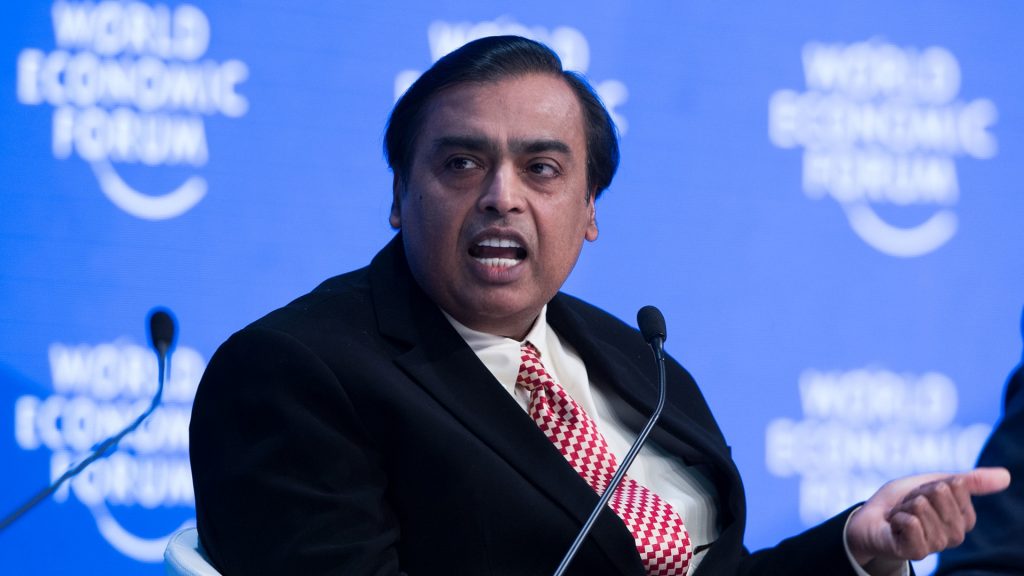
In recent years, there has been a growing concern about environmental sustainability and the impact of human activities on the planet. While many companies are taking steps towards sustainable practices, it is crucial to shed light on the dark side of some industries. One such industry is the production of synthetic fibers, with Reliance Industries, led by Mukesh Ambani, being the world’s largest manufacturer. This article aims to highlight the environmental implications of Reliance’s synthetic fiber production in India, backed by factual research and case studies.
Reliance Industries and the Rise of Synthetic Fibers:
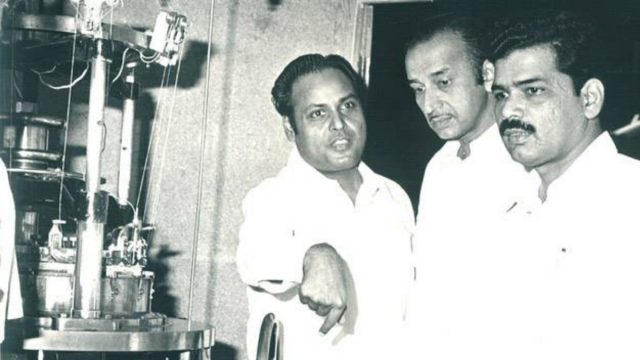
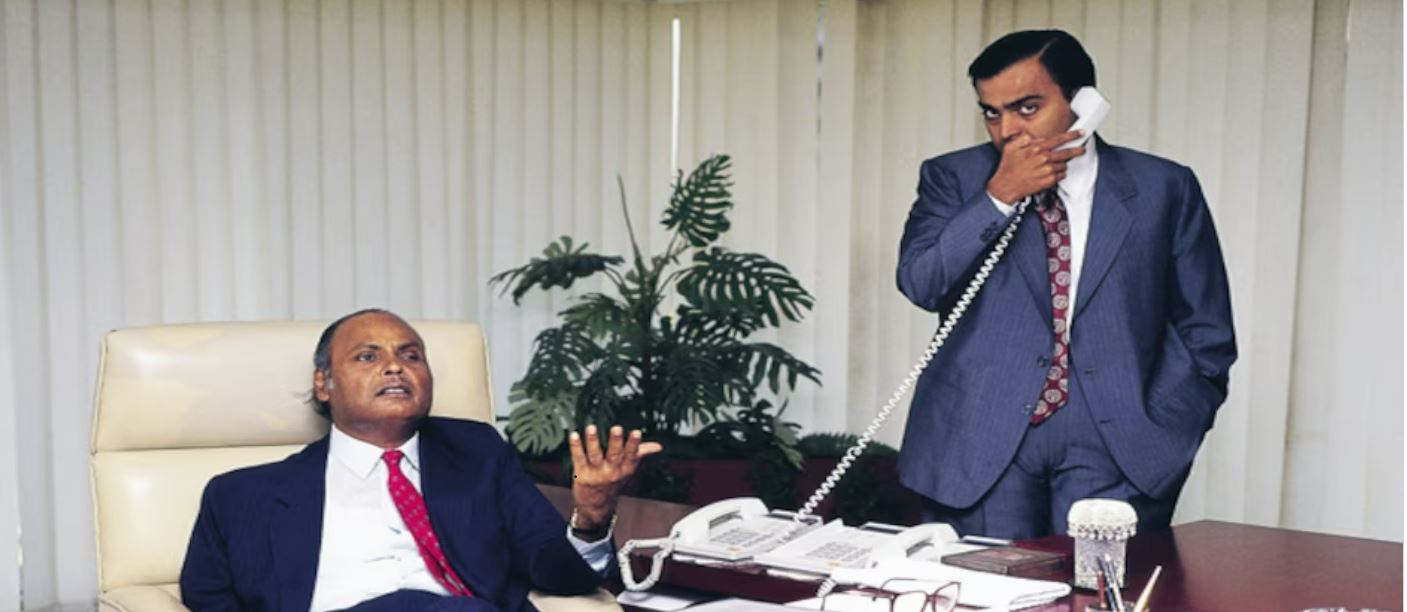
Dhirubhai Ambani, the founder of Reliance Industries, started his journey in the polyester business with a vision to succeed. He recognized the potential of the textile industry in India and saw an opportunity in the polyester segment. Ambani established Reliance Commercial Corporation and later set up his own manufacturing plant. He raised capital through a mix of equity and debt, went public in 1977, and focused on backward integration. Ambani leveraged government policies, invested in advanced technologies, and diversified into other sectors, fueling the company’s growth and profitability. His entrepreneurial skills, work ethic, strategic thinking, and ability to seize opportunities contributed to his success.
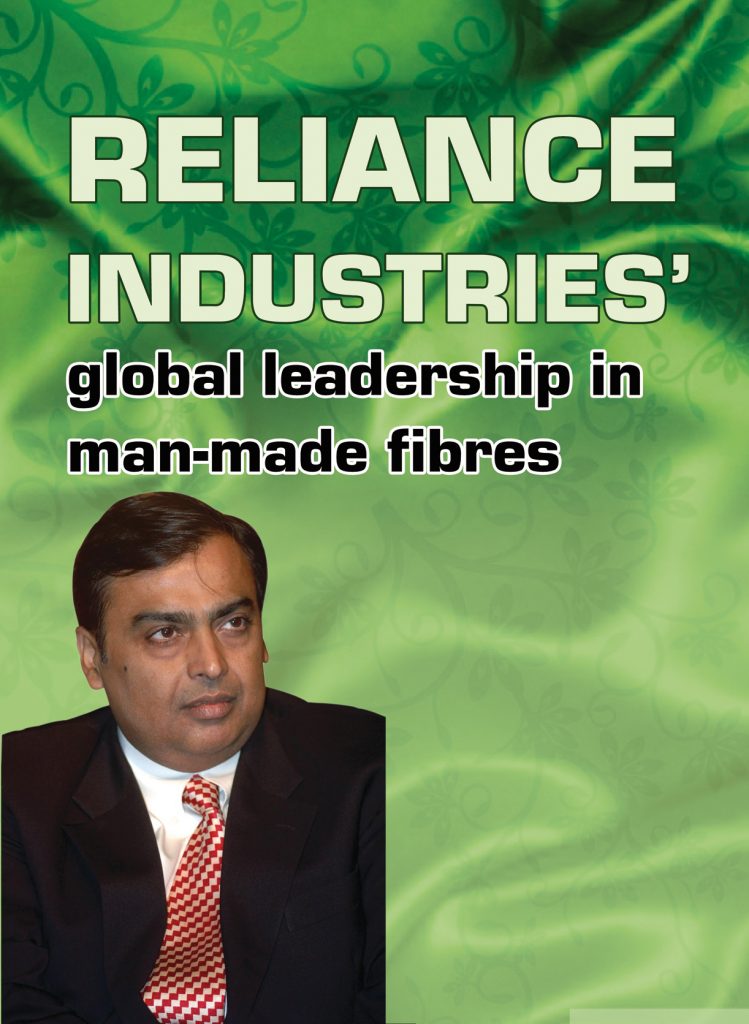
Reliance Industries, initially gained prominence through the production of polyester, a byproduct of crude oil. Over the years, the company has significantly expanded its polyester manufacturing capacity, making it a dominant player in the global market. While Reliance has made strides in sustainability initiatives, their production of synthetic fibers continues to contribute to pollution levels in India.
The Environmental Impact:
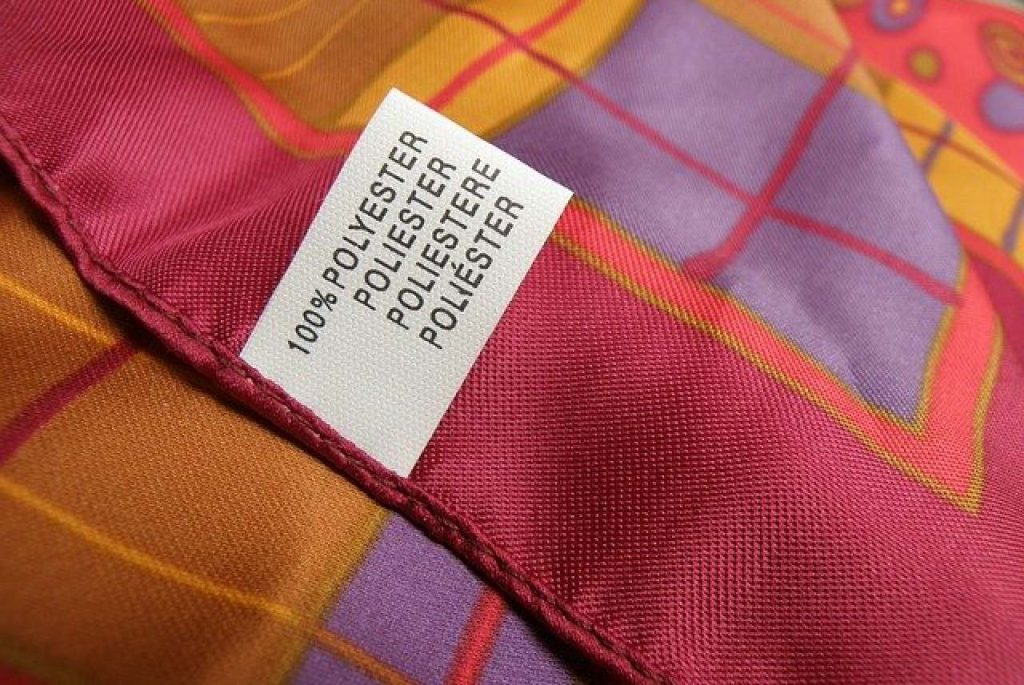
1. Water Pollution: Synthetic fiber production requires large quantities of water, which becomes contaminated with harmful chemicals and dyes. Wastewater discharged by Reliance Industries, if not treated properly, can lead to the release of toxic pollutants into nearby water bodies, damaging aquatic ecosystems and affecting the health of local communities.
2. Air Pollution: The manufacturing process of synthetic fibers involves the release of volatile organic compounds (VOCs) and other hazardous substances. These emissions contribute to air pollution, which can have adverse effects on human health, as well as contribute to climate change.
3. Microfiber Pollution: One of the most significant concerns associated with synthetic fibers is microfiber pollution. Microfibers, tiny plastic particles shed from synthetic textiles during washing, find their way into water bodies, posing a threat to marine life. Reliance’s exponential increase in polyester production exacerbates this issue, contributing to the microfiber menace in India.
Research and Case Studies:
1. A study conducted by the National Chemical Laboratory in Pune found high levels of pollutants, including VOCs and heavy metals, in the water bodies surrounding Reliance Industries’ manufacturing units. This research emphasizes the urgent need for stringent wastewater treatment practices.
2. A case study by the Indian Pollution Control Association highlighted the impact of unregulated air emissions from synthetic fiber manufacturing units, including those operated by Reliance Industries. The study identified the need for stricter air quality regulations and monitoring.
Addressing the Issue:
1. Sustainable Alternatives: Reliance Industries must invest in research and development to explore sustainable alternatives to synthetic fibers. This could include the adoption of biodegradable materials, such as organic cotton or hemp, which have a lower ecological footprint.
2. Wastewater Treatment: Reliance should prioritize investing in advanced wastewater treatment facilities to ensure that pollutants are effectively removed before discharge. Collaboration with environmental organizations and research institutions can help implement best practices.
3. Public Awareness: Creating awareness among consumers about the environmental impact of synthetic fibers is crucial. Reliance Industries can play a significant role by promoting sustainable fashion choices and encouraging the use of natural fibers.
Conclusion:
While Reliance Industries has made substantial progress in various aspects of sustainability, it is essential to address the environmental implications of its synthetic fiber production. By acknowledging the negative impacts and taking proactive measures, Reliance can contribute to a cleaner and greener future. Collaboration with stakeholders, technological advancements, and a commitment to sustainable practices are key to mitigating the pollution caused by synthetic fibers in India.
The capacity of Reliance Industries polyester production is 2.5 million tons per annum. They are the largest producer of polyester fiber and yarn in the world.
Comments

Hi, I’m Nishanth Muraleedharan (also known as Nishani)—an IT engineer turned internet entrepreneur with 25+ years in the textile industry. As the Founder & CEO of "DMZ International Imports & Exports" and President & Chairperson of the "Save Handloom Foundation", I’m committed to reviving India’s handloom heritage by empowering artisans through sustainable practices and advanced technologies like Blockchain, AI, AR & VR. I write what I love to read—thought-provoking, purposeful, and rooted in impact. nishani.in is not just a blog — it's a mark, a sign, a symbol, an impression of the naked truth. Like what you read? Buy me a chai and keep the ideas brewing. ☕💭 For advertising on any of our platforms, WhatsApp me on : +91-91-0950-0950 or email me @ support@dmzinternational.com