
Maha Kumbh Mela 2025: Faith, Fear, and the Cost of Hype

Another tragedy. Another stampede. Another set of innocent lives lost.
The recent stampede at New Delhi Railway Station—linked to the rush for the Maha Kumbh Mela 2025—has claimed 18 lives. This, added to earlier stampede incidents during the event, raises critical questions about why millions are risking their lives for a dip in the Ganga and whether blind faith is being exploited for political and economic gains.
The Allure of Maha Kumbh: Faith or Fabrication?
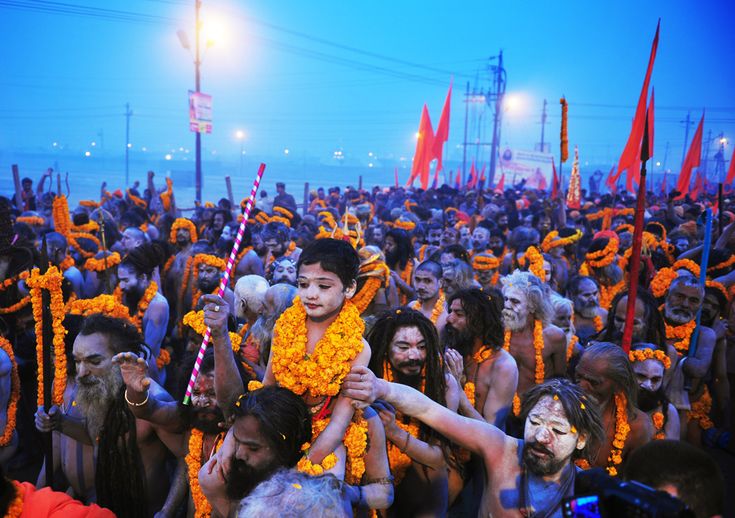
Maha Kumbh is undoubtedly one of the largest religious gatherings in the world. Devotees believe that taking a holy dip in the Ganga during this time washes away sins and grants instant liberation (moksha). But is this belief, deeply rooted in ancient traditions, now being repackaged as religious tourism driven by aggressive marketing?
The government has predicted a staggering 40 crore visitors for Maha Kumbh 2025. Authorities claim it is the first Maha Kumbh in 144 years—a historical fact that remains questionable. But the real question is: Are these numbers a natural turnout, or is it a deliberately orchestrated hype to set world records?
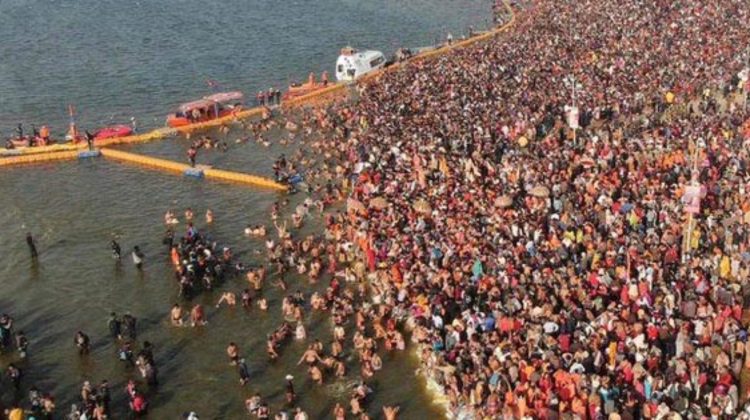
While faith has always driven millions to Kumbh, there is a visible shift in how the event is being promoted. Social media influencers, vloggers, and travel enthusiasts are now a significant part of the visitor pool. The same marketing phenomenon made Kedarnath a tourist sensation after the 2013 floods and Bollywood’s portrayal in Kedarnath (2018). The numbers are rising not necessarily due to devotion but due to fear of missing out (FOMO).
Stampedes: Who is Responsible?
History has shown us that mass gatherings need meticulous planning, not blind faith in fate. Yet, every time a disaster strikes, the response is empty investigations and political blame games. Why was safety not prioritized when authorities knew the numbers would break records?
- Overcrowding at Entry Points – Stampedes at railway stations and temporary bridges have been the most common killers. Poor crowd management, lack of trained personnel, and improper barricading turn these places into death traps.
- Lack of Exit Strategies – Basic crowd control measures, like diverting foot traffic and creating emergency exits, are absent. Devotees get trapped with no escape routes when panic sets in.
- Infrastructural Collapse – Toilets, water supply, and food stalls are inadequate for the numbers projected. A city-within-a-city is being built for Kumbh, yet basic safety protocols are ignored.
- Political Spectacle Over Public Safety – With the ruling government aiming to showcase religious dominance and globalize Kumbh’s stature, the focus is on numbers, optics, and records, not on ensuring safety.
Faith vs. Fear: Why Do Devotees Still Risk Their Lives?

Despite recurring tragedies, why do people still risk their lives to attend?
- Religious Conditioning – The belief that dipping in the Ganga during Kumbh grants instant moksha has been deeply embedded in Hindu faith for centuries. Many see this as their last chance for salvation.
- Financial Incentives? – There are murmurs that some underprivileged groups are being paid to attend, boosting numbers artificially. Is there truth in this? Is this just a spiritual gathering or a managed crowd to serve political gains?
- Social Pressure & Hype – With millions attending and social media amplifying the experience, FOMO plays a massive role. Many attend not because they are devoted but because “everyone is going.”
Solutions: Can Kumbh Be Made Safer?
Instead of blaming devotees, the real focus should be on government accountability and better safety protocols. If India can invest in bullet trains, statues, and space missions, why not safety at religious events?
- Limit attendance per day – Issue pre-registered passes with daily limits to avoid overcrowding.
- Decentralized bathing zones – Instead of focusing on one Ghat, spread out the crowd across multiple locations.
- Proper crowd control personnel – Trained volunteers and real-time AI-based monitoring to prevent overcrowding at critical points.
- Stricter safety infrastructure – More emergency exits, medical aid stations, and barricades at bottleneck points.
- Accountability for failures – Government bodies responsible for planning must be held legally accountable for mishaps.
Final Thoughts: Who Will Take Responsibility?
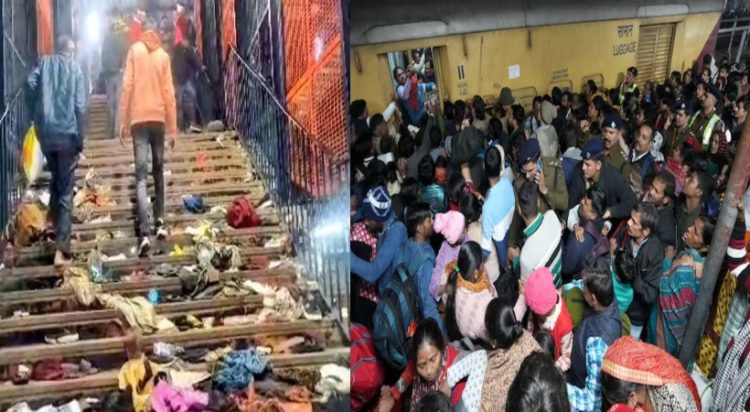
It is heartbreaking that in 2025, stampedes are still a reality in India. These deaths were not acts of God—they were man-made disasters, the result of neglect, poor planning, and political ambitions.
No one ‘plans’ a stampede, but authorities can plan to prevent one. If economic benefits and Guinness records matter more than human lives, then spirituality is lost, and devotion is buried under the weight of blind superstition.
Until lives are prioritized over optics, we will continue mourning tragedies that could have been prevented. When will enough be enough?
Comments

Hi, I’m Nishanth Muraleedharan (also known as Nishani)—an IT engineer turned internet entrepreneur with 25+ years in the textile industry. As the Founder & CEO of "DMZ International Imports & Exports" and President & Chairperson of the "Save Handloom Foundation", I’m committed to reviving India’s handloom heritage by empowering artisans through sustainable practices and advanced technologies like Blockchain, AI, AR & VR. I write what I love to read—thought-provoking, purposeful, and rooted in impact. nishani.in is not just a blog — it's a mark, a sign, a symbol, an impression of the naked truth. Like what you read? Buy me a chai and keep the ideas brewing. ☕💭 For advertising on any of our platforms, WhatsApp me on : +91-91-0950-0950 or email me @ support@dmzinternational.com


