
Illuminati: Fact, Fiction, and Pop Culture – A Complete Exploration

The Illuminati – a name that conjures images of shadowy elites, secret symbols, and a New World Order. From 18th-century Bavaria to 21st-century pop culture, the mystique surrounding the Illuminati has only grown. But how much of it is true? Was it ever real? Does it still exist? And does Indian cinema, especially movies like Lucifer and Empuraan, hint at its existence?
This blog separates historical truth from conspiracy theory, presenting a well-researched account of the Illuminati’s past, its alleged present, and its cultural legacy.
Origins: The Real Illuminati
The Illuminati was not born out of fiction. It was a real, intellectual secret society founded on May 1, 1776, by Adam Weishaupt, a professor of canon law at the University of Ingolstadt in Bavaria (modern-day Germany). Weishaupt’s vision was to promote Enlightenment values such as reason, secularism, and freedom of thought while challenging the dominance of the Catholic Church and the absolutist monarchy.
Key Facts:
- Originally named the Order of the Illuminati.
- Attracted intellectuals, nobles, and some Masonic lodges.
- Membership estimates ranged from 650 to 2,500 at its peak.
- Notable members reportedly included Goethe, Duke of Gotha, and other Enlightenment thinkers.
- Structured in secret ranks: Novice, Minerval, Illuminated Minerval, and higher degrees under Adolf Knigge‘s system.
The group operated with secrecy—using pseudonyms, encrypted correspondence, and symbolic rituals—much like the Freemasons.
Suppression and Decline
By the mid-1780s, the growing influence of the Illuminati concerned the Bavarian government. In a series of edicts between 1784 and 1790, the order was banned, its documents confiscated, and its members persecuted.
- Adam Weishaupt was forced into exile.
- Adolf Knigge left after internal disputes in 1784.
- Many Illuminati documents were published by the authorities to discredit the group.
Most historians agree that the Illuminati ceased to exist as an organization by the late 1780s.
Conspiracy Theories: Birth of a Myth
Although the historical Illuminati was relatively short-lived, its legend grew exponentially after its dissolution.
Theories Claim:
- The Illuminati survived and went underground.
- They now secretly control:
- World governments
- Global finance
- Media and entertainment
- Religion
- Their goal is to establish a “New World Order”, erasing national borders and individual freedoms.
These theories gained momentum through:
- Augustin Barruel’s 1797 work, linking the Illuminati to the French Revolution.
- The “Illuminatus! Trilogy” (1975) by Robert Shea and Robert Anton Wilson, which blended satire and fiction.
- The rise of Internet-era conspiracy culture, fueled by social media, YouTube, and blogs.
Modern Allegations and Pop Icons
Today, the term “Illuminati” is used loosely to describe any alleged secret elite. Celebrities like Jay-Z, Beyoncé, Kanye West, Lady Gaga, Elon Musk, and even political leaders like Barack Obama and Joe Biden are frequently accused of being members—without evidence.
They are often linked to Illuminati symbolism:
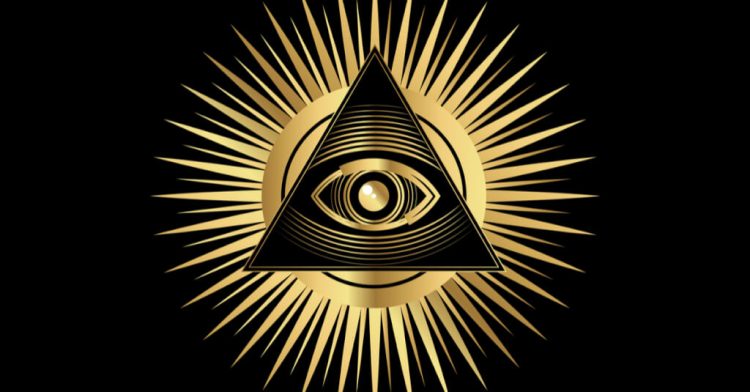
- The All-Seeing Eye
- Pyramids
- Triangular hand signs
- Owl and Saturn references
Jay-Z has dismissed such allegations as “stupid,” and most of these claims are based on selective interpretation and coincidence, not fact.
Activities: Fact vs Fiction
| Aspect | Historical Illuminati (1776–1790) | Conspiracy Theories (Post-1790) |
|---|---|---|
| Objective | Promote Enlightenment, fight superstition | Establish New World Order |
| Membership | Scholars, nobles (~650–2500) | Celebrities, politicians (unverified) |
| Operations | Secret meetings, codes, intellectual debate | Media manipulation, global control |
| Activities | Enlightenment discussions | Allegedly engineer wars, pandemics, financial collapses |
Research Verdict:
- No credible evidence exists for modern Illuminati activity.
- Secret societies and elite gatherings (e.g., Bilderberg, WEF) do exist, but they are not linked to Weishaupt’s Illuminati.
- Belief in a global Illuminati persists, but often overlaps with distrust of authority, elitism, and systemic inequality.
A 2016 study revealed that 23% of Americans believe in the Illuminati or New World Order, showing how deeply rooted the myth is.
Illuminati in Popular Culture
The Illuminati has become a pop culture phenomenon:
- Books: Angels & Demons by Dan Brown
- Films: National Treasure, The Da Vinci Code, Spectre
- TV Shows: The Simpsons, Family Guy, American Horror Story
- Games: Assassin’s Creed, Illuminati: The Game of Conspiracy
In Indian Cinema: Lucifer & Empuraan
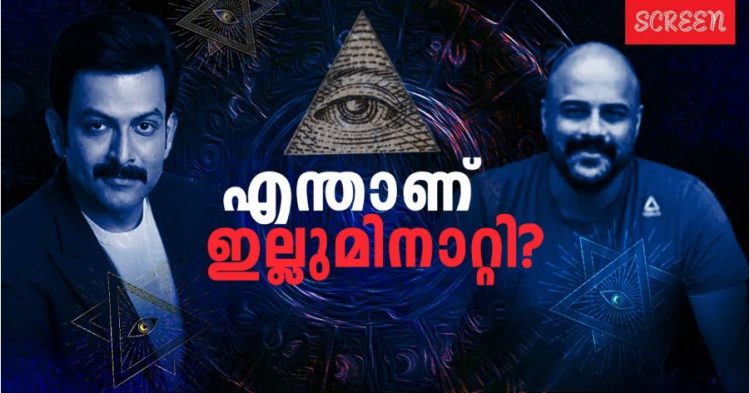
The 2019 Malayalam blockbuster Lucifer, directed by Prithviraj Sukumaran and starring Mohanlal, hinted at a global underground network with connections to secret societies. Mohanlal’s character, Stephen Nedumpally aka Khureshi Abraam, is linked to a secretive international power structure—paralleling Illuminati themes.
- The film uses visual symbolism like the All-Seeing Eye, suggesting deeper allegories.
- A viral X post by Prithviraj, saying “Died long ago? Are you sure?” with an eye emoji, further fueled the speculation.
The upcoming sequel, Empuraan, is expected to expand this universe, possibly exploring the hidden elite’s deeper connections to politics, religion, and global finance.
While these cinematic representations are fictional, they tap into real public intrigue and myths around shadowy global control—drawing on the Illuminati legend.
Final Thoughts: Is the Illuminati Real?
✅ Historically Real: The Bavarian Illuminati existed between 1776 and 1790, with intellectual and reformist goals.
❌ No Verified Modern Existence: There is no concrete evidence of its survival or modern form controlling the world.
📺 Pop Culture Hype: Books, movies, and music keep the Illuminati myth alive, often for entertainment or symbolism.
🎥 Indian Cinema: Lucifer and Empuraan incorporate Illuminati-like ideas, but remain fictional explorations of power and secrecy.
Conclusion
The Illuminati remains one of history’s most fascinating blends of truth and myth. It represents rational reform in the 18th century and has morphed into a contemporary myth about shadow control. While it’s unlikely that a global Illuminati exists today, its symbolism continues to reflect societal fears and obsessions with hidden power, making it a powerful narrative tool—from Bavaria to Bollywood.
Comments

Hi, I’m Nishanth Muraleedharan (also known as Nishani)—an IT engineer turned internet entrepreneur with 25+ years in the textile industry. As the Founder & CEO of "DMZ International Imports & Exports" and President & Chairperson of the "Save Handloom Foundation", I’m committed to reviving India’s handloom heritage by empowering artisans through sustainable practices and advanced technologies like Blockchain, AI, AR & VR. I write what I love to read—thought-provoking, purposeful, and rooted in impact. nishani.in is not just a blog — it's a mark, a sign, a symbol, an impression of the naked truth. Like what you read? Buy me a chai and keep the ideas brewing. ☕💭 For advertising on any of our platforms, WhatsApp me on : +91-91-0950-0950 or email me @ support@dmzinternational.com


