
India Has 146 Crore People, But Only 2.5 Crore Taxpayers – What Are We Missing?
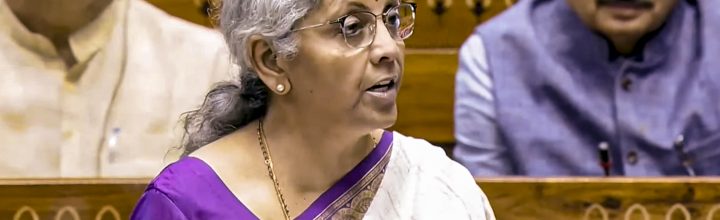
India is now the most populated country in the world with approximately 146 crore people (1.46 billion), surpassing China. With this massive population, you’d expect a healthy chunk of them to be paying income tax, right? But no – only 2.5 crore individuals are actively paying taxes in India. That’s not even 2% of the population. This raises a very important question – What are we missing here?
Let’s look at the numbers that make India look rich on paper:
- India has over 22 crore two-wheelers and around 7 crore four-wheelers as per official records.
- There are more than 10 to 12 crore credit card holders across the country.
- More than 1 crore iPhones were sold in India in the last year alone.
- 2.5 crore Indians travel abroad every year for business, leisure, or studies.
All these stats suggest that Indians are spending money – a lot of it. The lifestyle indicators point to a country that seems fairly rich. But when it comes to income tax compliance, there’s a glaring mismatch.
Now let’s look at the tax data:
As per the Indian government’s report for the Assessment Year 2024-25, only 7.28 crore people filed Income Tax Returns (ITRs). Out of these, barely 2.5 crore individuals ended up paying any significant income tax. The rest either had incomes below the taxable limit or claimed deductions that brought their tax liability to zero.
So where is the gap? Why are so many Indians living wealthy lifestyles but not paying taxes?
The Real Reasons Behind the Gap
1. Income Distribution in India
A major chunk of India’s population earns below the taxable limit. For individuals under 60 years of age, income up to ₹2.5 lakhs per annum is exempt from tax. For many, especially in rural India and the informal job sector, annual incomes don’t cross this threshold.
2. The Huge Informal Economy
India’s economy has a large informal sector where businesses and workers operate outside government regulation. Daily wage earners, small shopkeepers, freelancers, etc., often get paid in cash and don’t maintain formal income records. This makes it easy to avoid taxes.
3. Tax Evasion and Black Money
It’s no secret that tax evasion is rampant. People from the upper and business class often underreport their incomes, show fake expenses, or operate through shell companies. A recent estimate suggests that India’s black money economy could be as high as 28% of its GDP, which is around ₹75 lakh crore (or approx 900 billion USD).
4. Complex Tax Laws and Fear of Harassment
Many people avoid filing taxes not because they are poor but because they find the process complicated or fear getting caught in legal trouble. India’s tax system, while improved digitally, is still not fully user-friendly for the average citizen.
Eye-Opening Comparison Table
| Category | Estimated Number |
|---|---|
| Total Population | 146 crore |
| Taxpayers | 2.5 crore |
| Two-Wheelers | 22 crore |
| Four-Wheelers | 7 crore |
| Credit Card Holders | 10-12 crore |
| iPhones Sold (2024) | Over 1 crore |
| International Travelers (Yearly) | 2.5 crore |
| Income Tax Returns Filed | 7.28 crore |
What Can Be Done? (Instead of Squeezing the Middle Class)
- Simplify Tax Laws
- India’s tax laws need to be made much easier to understand.
- A new simplified Income Tax Bill is already in the works and expected to replace outdated laws. This could help.
- Use of Technology for Smart Monitoring
- Data from bank accounts, UPI transactions, car ownership, travel records, and luxury purchases should be analyzed to identify potential tax evaders.
- AI and big data tools can automate this process without harassing genuine taxpayers.
- Bring the Informal Sector Under the Tax Net
- Offer incentives and training to small businesses to go digital.
- Encourage GST registration and digital receipts for accountability.
- Reward Honest Taxpayers
- Give perks to regular tax filers – easier loans, fast passport processing, priority services.
- Public Awareness and Social Accountability
- Create campaigns that explain how taxes are used for development.
- Build a culture where paying tax is seen as a proud responsibility, not a burden.
Final Thoughts
India is not a poor country anymore – but it is a country where only a small segment of the population is carrying the financial burden of running this massive economy. The rest either escape through loopholes, evade taxes, or are simply not in the system.
The solution lies in making tax compliance simpler, smarter, and fairer. Instead of increasing taxes on the honest middle class, the government must bring the real income earners and big spenders under the tax net. Only then can we build a truly developed and equitable nation.
Comments

Hi, I’m Nishanth Muraleedharan (also known as Nishani)—an IT engineer turned internet entrepreneur with 25+ years in the textile industry. As the Founder & CEO of "DMZ International Imports & Exports" and President & Chairperson of the "Save Handloom Foundation", I’m committed to reviving India’s handloom heritage by empowering artisans through sustainable practices and advanced technologies like Blockchain, AI, AR & VR. I write what I love to read—thought-provoking, purposeful, and rooted in impact. nishani.in is not just a blog — it's a mark, a sign, a symbol, an impression of the naked truth. Like what you read? Buy me a chai and keep the ideas brewing. ☕💭 For advertising on any of our platforms, WhatsApp me on : +91-91-0950-0950 or email me @ support@dmzinternational.com


