Life and career biography of Amazon CEO Jeff Bezos

Jeff Bezos, aka the richest man in the world, created the monster that is Amazon, one of the largest technology companies in the world. Bezos is a household name, but do you even know where the CEO’s surname actually came from? Find out this backstory here.
Where is Jeff Bezos from?
Bezos was born on January 12, 1964, in Albuquerque, New Mexico. At birth he was actually named Jeffrey Preston Jorgensen. After his mother divorced his father, she married Cuban immigrant Miguel “Mike” Bezos in April 1968. At age four, Miguel Bezos adopted him and his surname was then changed to Bezos. The family then moved to Houston, Texas. In high school, the family moved to Miami, Florida.


Jeff Bezos’s career path
Fitel
After graduating from Princeton in 1988, Bezos had job offers from Intel, Bell Labs, and Anderson Consulting. Bezos turned those down to start at fintech telecommunications start-up Fitel.

Bankers Trust
In 1988 Bezos transitioned into the banking industry, becoming a product manager at Bankers Trust.

D. E. Shaw & Co.
In 1990 Bezos left Bankers Trust to join a newly founded hedge fund, D. E. Shaw & Co. At 30-years-old, Bezos became the hedge fund’s fourth senior vice-president. Bezos worked here until 1994, when he left to start Amazon after writing up the business plan on a road trip from New York to Seattle.
Amazon
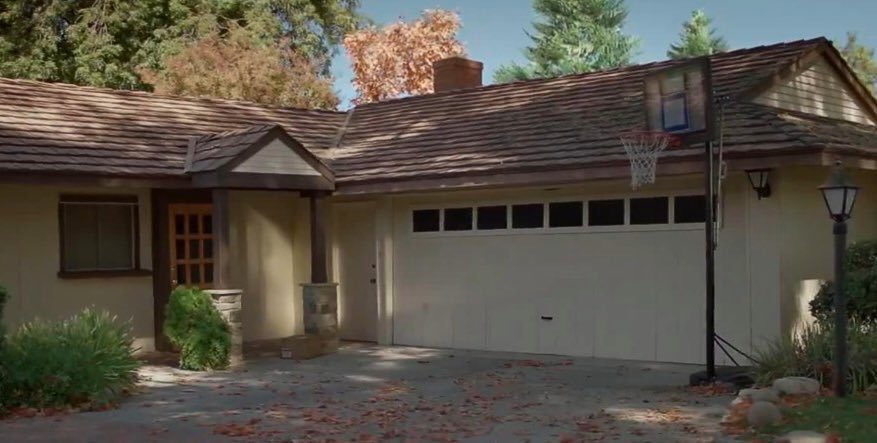
Bezos drew up the Amazon business plan on a road trip from New York to Seattle. In 1993, he left his job at D.E. Shaw to start Amazon from his garage. He received an estimated $300,000 to invest in Amazon from his parents. He originally titled the company Cadabra, but changed it to name it after the Amazon River. Bezos warned early investors that there was a 70% chance that it would fail.
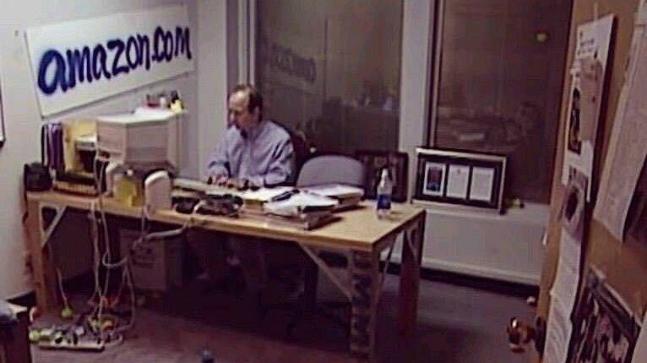
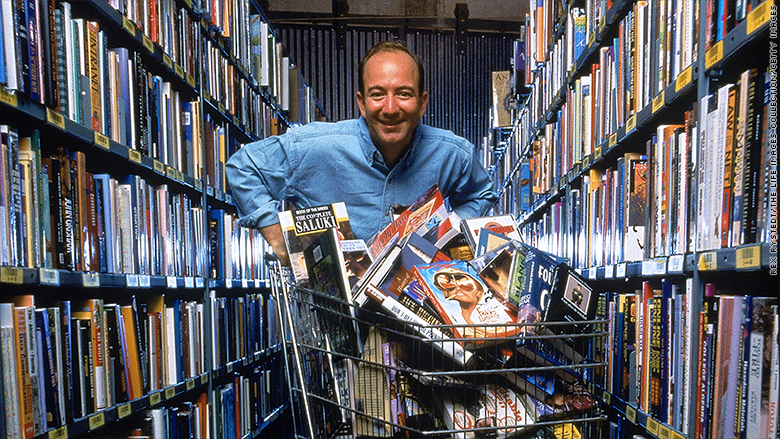
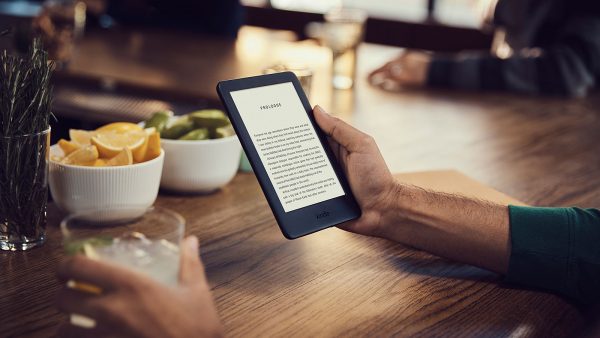
Bezos founded Amazon as an online bookstore, but always planned to expand to other products. In 1998, the site expanded to offer music, videos, and other consumer goods. In 2002, Bezos led the company to launch Amazon Web Services, which compiled data from weather channels and website traffic. The company nearly went bankrupt in 2002, but it rebounded in 2003 after distribution center closures and workforce layoffs. Amazon launched the Kindle in November 2007.
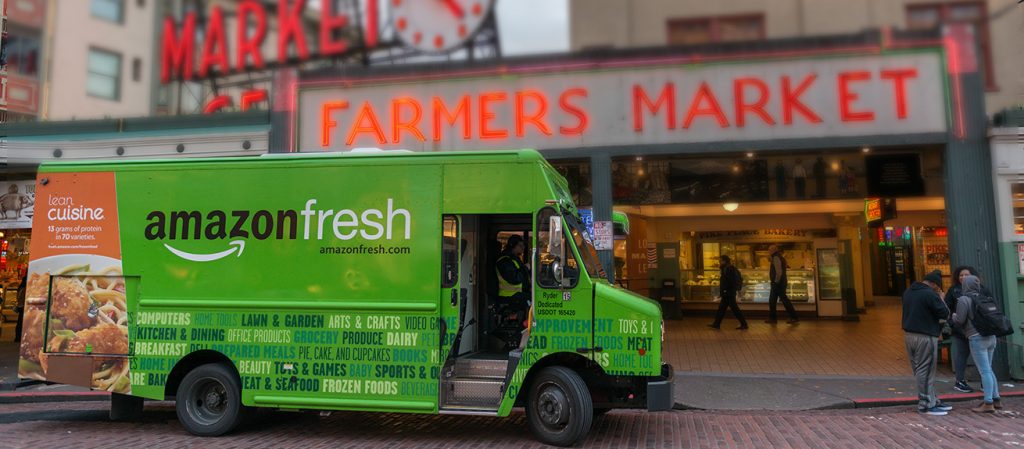
AmazonFresh is a subsidiary that allows Prime members to order groceries online and have them delivered as soon as the same day. Amazon acquired Whole Foods for $13.7 billion in August 2017, furthering its reach in the grocery industry.
Bezos founded Blue Origin in September 2000. The human spaceflight startup company purchased a large tract of land in West Texas in 2006 for a launch and test facility.
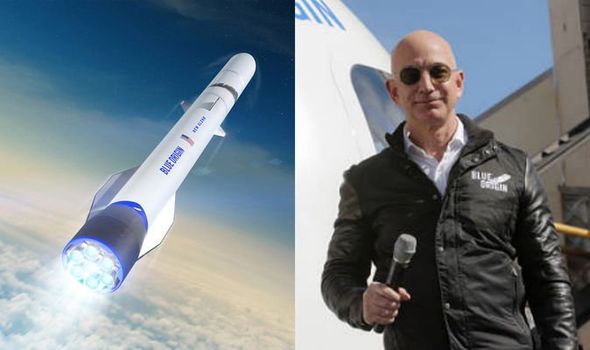
In 2015, Bezos announced that a new orbital launch vehicle was under development. In November of that year, Blue Origin’s New Shepard space vehicle successfully made it to space and reached its planned test altitude. In December 2017, New Shepard successfully landed dummy passengers and adjusted its human space travel start date to 2018, which has since been extended.
In July 2018, Reuters reported that the company plans to charge passengers $200,000 to $300,000 per person.
The New Shepard’s most recent mission way on May 2, its fifth mission to space and back.
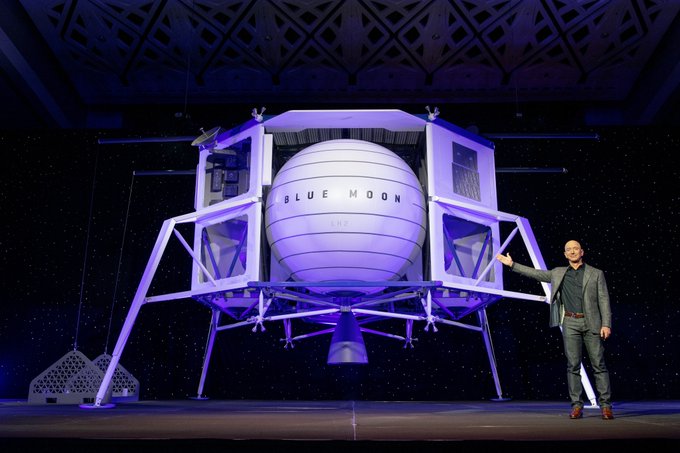
On May 9, Blue Origin announced Blue Moon, its large lunar lander that is capable of delivering multiple metric tons of payload to the lunar surface. The company announced that it will be able to put Americans on the moon by 2024 thanks to the Blue Moon lunar lander.
The company also announced Club For the Future, a non-profit that aims to inspire and engage “the next generation of dreamers and space entrepreneurs.” The club, which brings together educators and leader, made its first mission to send a postcard to space and back on a future New Shepard mission.
Bezos bought The Washington Post in 2013 for $250 million. The newspaper has flourished under his ownership, adding more than 200 employees and surpassing one million digital subscribers.
Bezos established Nash Holdings, a limited liability holding company, to execute the purchase. Nash Holdings legally owns the paper as of October 1, 2013. Bezos made his first major change by eliminating the online paywall for subscribers of some local papers in Texas, Hawaii, and Minnesota.
In 2016 Bezos was on a mission to reinvent the newspaper as a media technology company, which ended up being successful as it was profitable for the first time since Bezos purchased it in 2013.
Bezos Expeditions
Bezos makes personal investments through his venture capital vehicle, Bezos Expeditions, which has put money into companies like Airbnb, Business Insider, Twitter, Uber, Grail, and General Assembly.

Jeff Bezos’s education history
Bezos graduated from Princeton University in 1986 with a 4.2 grade point average, earning degrees in electrical engineering and computer science. He was a member of Phi Beta Kappa, the oldest academic honor society in the United States and Tau Beta Pi, the oldest engineering honor society. Bezos was the president of the Princeton chapter of the Students for the Exploration and Development of Space.
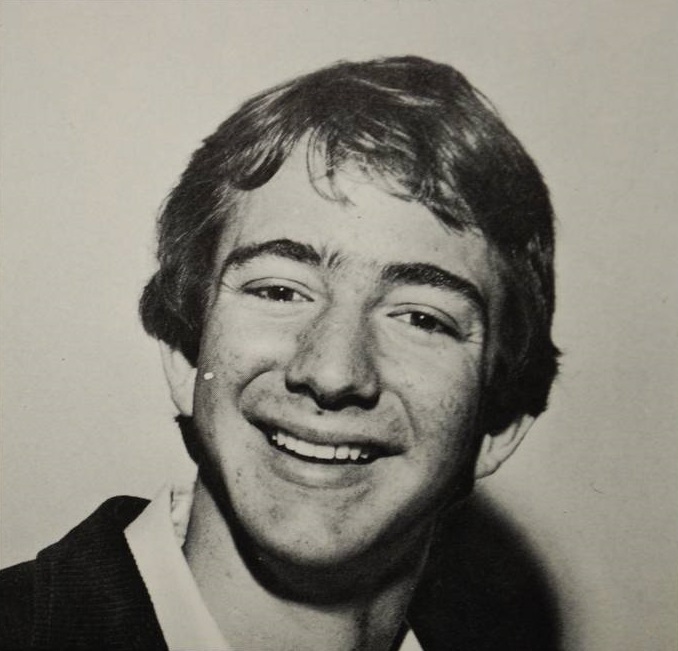
Jeff Bezos’s ex-wife
Bezos met his ex-wife, then MacKenzie Tuttle, while working for D.E. Shaw in 1992. A year later the couple was married and then moved to Seattle, Washington in 1994.
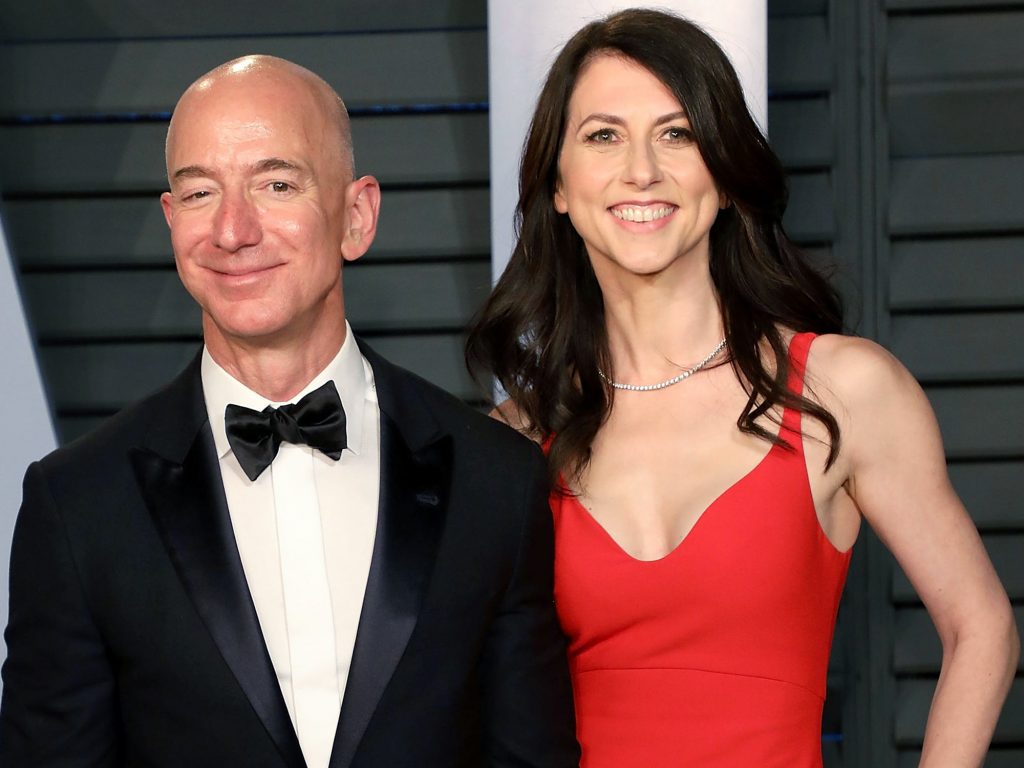
On January 9, 2019, Bezos and his wife announced their divorce on Twitter after 25 years of marriage.
The divorce was finalized on April 4, 2019. Though she could have walked away with much more according to Washington state common law on divorce without a prenuptial agreement, MacKenzie agreed to take 4% in Amazon stock (worth $35.6 billion) and left the remaining 12% to her ex-husband. Bezos also kept all of the couple’s company voting rights.
Jeff Bezos’s children
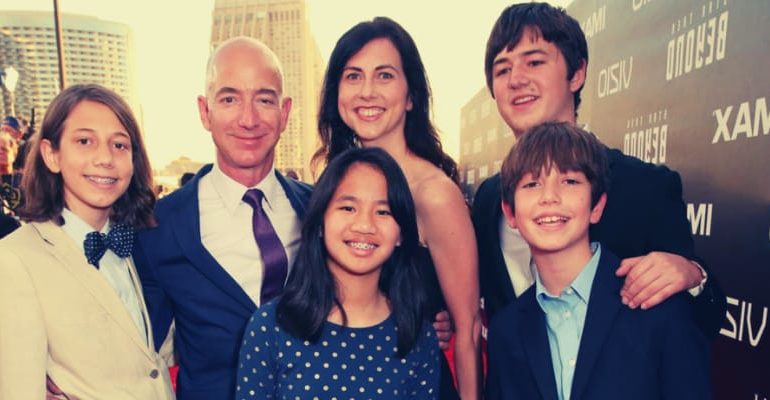
Jeff and MacKenzie have four children together, three sons and a daughter they adopted from China. The couple’s first son, Prezton Bezos, was born in 2000.
Famous Jeff Bezos quotes
About success
“I knew that if I failed I wouldn’t regret that, but I knew the one thing I might regret is not trying.”
“If you do build a great experience, customers tell each other about that. Word of mouth is very powerful.”
“In business, what’s dangerous is not to evolve.”
“The common question that gets asked in business is, ‘why?’ That’s a good question, but an equally valid question is, ‘why not?’”
About building a brand
“A brand for a company is like a reputation for a person. You earn reputation by trying to do hard things well.”
“Your brand is what other people say about you when you’re not in the room.”
“The best customer service is if the customer doesn’t need to call you, doesn’t need to talk to you. It just works.”
“A company shouldn’t get addicted to being shiny, because shiny doesn’t last.”
I think frugality drives innovation just like other constraints do. One of the only ways to get out of a tight box is to invent your way out.
What is Jeff Bezos’s net worth over the years?
September 2014: $30.5 billion
March 2015: $34.8 billion
September 2015: $47 billion
March 2016: $45.2 billion
October 2016: $67 billion
March 2017: $72.8 billion
October 2017: $81.5 billion
March 2018: $112 billion
October 2018: $160 billion
March 2019: $131 billion
July 2020: $188.2 billion
*According to Forbes
Amazon Products
Alexa, Echo, Kindle, Fire tablets, Fire TV, Amazon Go
Amazon Services
Prime, Prime Pantry, Fresh, Web Services, Drive, Video, Appstore, Kindle Store, Music Unlimited, Digital Game Store, Wireless, Smile, Art, Business, Dash, Supply, Video Direct, Tickets, STEM Club, Home Services, Handmade by Amazon, Inspire, Cash/Top Up
Amazon Subsidiaries
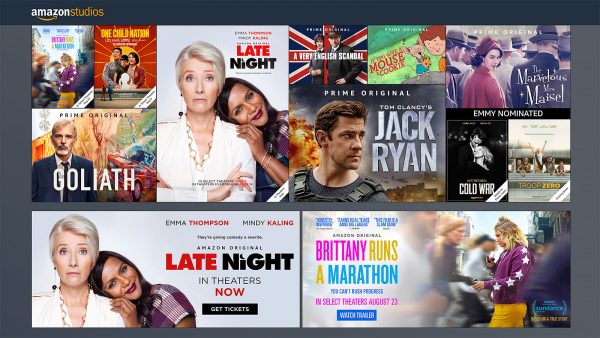
Amazon Studios, A9.com, Amazon Maritime, Audible.com, Bejing Century Joyo Courier Services, Brilliance Audio, ComiXology, CreateSpace, Eero, Goodreads, Lab126, Kuiper Systems, Ring, Shelfari, Souq, Twitch, Whole Foods Market, Junglee
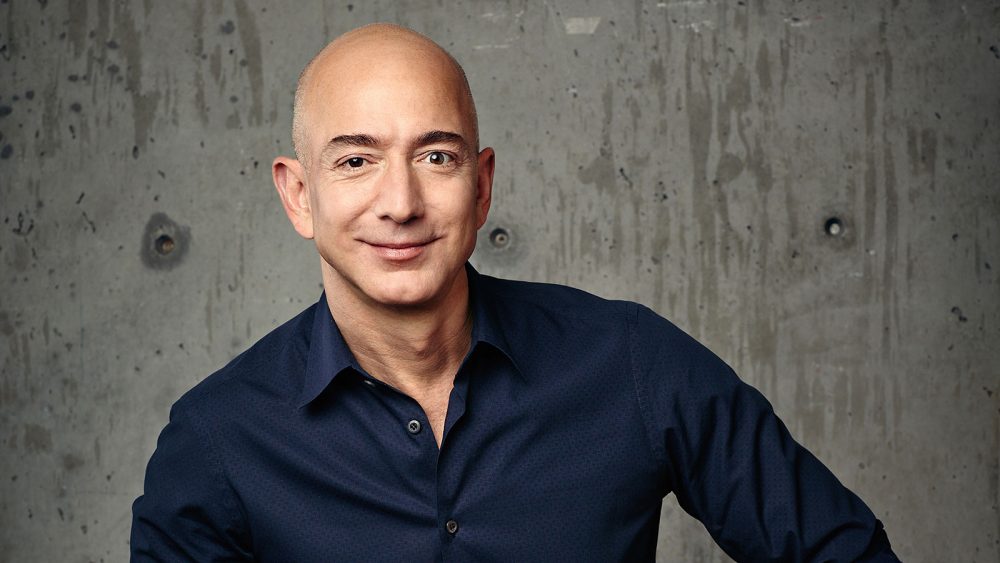
Jeff Bezos on Planning for the Future in Uncertain Times
One of the hardest jobs of a leader is planning for the future. That’s always the case, but it’s especially true in uncertain times like today. Even though cities and states have started to reopen for business, there are simply so many variables out of your control that trying to figure out how to plan for next week, let alone next year, or 10 years from now, seems like guesswork.
Jeff Bezos, however, has a suggestion. At Amazon’s annual shareholder meeting last month, the CEO was asked about how to make long-terms plans. His answer included a simple, three-world question that he says guides the company’s long-term planning, even in uncertain times:
Well, certainly, in 10 years many things will evolve; technology will change. Machine-learning technology, in particular, will evolve very significantly over the 10-year time horizon.
But I would always encourage people, when they think about 10 years, to ask the question, what won’t change?
That’s actually the more important question. You can build strategies around things that will be stable in time. In that 10-year vision, there are a bunch of things at Amazon that are not going to change.
One of them, maybe the most important one, is that we will stay customer-obsessed instead of competitor-obsessed. We will work on maintaining that culture.
Did you catch that question? “What won’t change?“
Instead of trying to imagine everything that will be different over any given period of time, look at the aspects of your business that will remain the same. Then, focus on how to build on that.
In Amazon’s case, Bezos says it’s the company’s customer-first obsession. While the products and services may expand or change to adapt to evolving needs or circumstances, that focus won’t change. Establishing that baseline allows you to create plans that help you move forward, even when you can’t foresee what may be around the corner.
To help you distill what that looks like for your company, focus on the following three areas.
Purpose
There’s a reason you started your business. That reason hasn’t changed just because things have gotten rough. It might look different, and you may have even switched strategies to adapt to the needs of your customer and team during the pandemic, but none of that changes your “why,” or the reason you became an entrepreneur. Focus on that as your guiding factor when thinking about the future. It’s OK that it may look different, but your purpose should remain unchanged.
Priorities
Next, look at what is important to your business now, in terms of priorities, and consider which of them should remain, regardless of changing circumstances. The values and priorities important to you today shouldn’t suddenly be less important because of the passage of time–otherwise, they probably weren’t that important to begin with.
People
While it’s impossible to know what specific roles or staff you may need over a long period of time, your culture is formed by the decisions you make about how you value your people. I suggest you take an intentional approach to creating a culture that reflects your values and will set your team up for success over the long term. For example, how you choose to resource and empower your team is a fundamental question of values, not execution.
Deciding how you want people to interact and build trust shouldn’t change just because the world around you is in chaos. In fact, if you aren’t intentional about both, the chaos is likely to feel a lot closer than you thought.
Comments

Hi, I’m Nishanth Muraleedharan (also known as Nishani)—an IT engineer turned internet entrepreneur with 25+ years in the textile industry. As the Founder & CEO of "DMZ International Imports & Exports" and President & Chairperson of the "Save Handloom Foundation", I’m committed to reviving India’s handloom heritage by empowering artisans through sustainable practices and advanced technologies like Blockchain, AI, AR & VR. I write what I love to read—thought-provoking, purposeful, and rooted in impact. nishani.in is not just a blog — it's a mark, a sign, a symbol, an impression of the naked truth. Like what you read? Buy me a chai and keep the ideas brewing. ☕💭 For advertising on any of our platforms, WhatsApp me on : +91-91-0950-0950 or email me @ support@dmzinternational.com