Ensuring Authenticity: Safeguarding Indian Customers from Fake Handloom Products
India’s rich heritage of handloom textiles is admired globally for its intricate weaves, vibrant colors, and timeless appeal. However, amidst this cultural treasure trove, a growing concern has emerged regarding the prevalence of fake handloom products in the market. Unscrupulous sellers take advantage of the demand for handloom clothing, deceive customers, and charge exorbitant prices for substandard imitations. In light of this issue, Handlooom.com, a renowned brand committed to preserving the authenticity of handloom, has taken a significant step forward by offering a one-year warranty on all their products. This warranty not only instills confidence in customers but also provides an opportunity to detect counterfeit products and receive a substantial reward.

In this article, we explore how Indian customers can avoid falling prey to fake handloom sellers and make informed purchases, ensuring the preservation of this timeless tradition.
1. Understanding the Significance of Handloom:
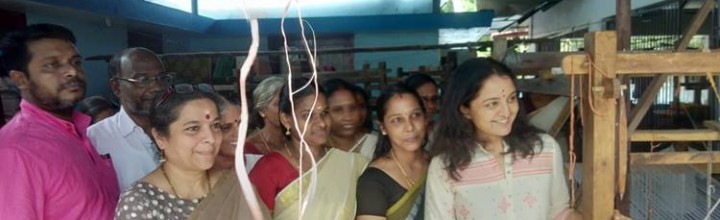
Handloom textiles are an integral part of India’s cultural and economic heritage. These garments are handcrafted with meticulous attention to detail, employing traditional weaving techniques passed down through generations. Genuine handloom products support local artisans and empower rural communities, making each purchase a contribution to sustainable livelihoods. Our parent company DMZ INTERNATIONAL and our Public Charitable Trust SaveHandloom.org is working towards this goal.

2. Identifying Authentic Handloom:

To avoid purchasing fake handloom products, customers must educate themselves on the distinguishing characteristics of genuine handloom textiles. Factors such as yarn texture, weave irregularities, intricate designs, and natural dyes are indicative of authenticity. Researching different handloom traditions across India can further enhance one’s ability to discern genuine products.
3. Trusting Reputable Brands like Handlooom.com:

Handlooom.com has emerged as a trusted brand in the handloom industry, offering customers a reliable platform to explore and purchase authentic handloom garments. By ensuring all their products come with a one-year warranty, Handlooom.com has taken a proactive approach to protect customers from counterfeit products.
4. The One-Year Warranty and its Benefits:

Handlooom.com’s one-year warranty is a revolutionary step towards building trust and ensuring customer satisfaction. It allows customers to thoroughly examine the purchased product, wear it, and experience its quality firsthand. During this period, if customers suspect that the product they received is not genuine handloom, they have the opportunity to return it. In addition to the refund, Handlooom.com offers a generous reward of 25000 INR, demonstrating their commitment to maintaining the authenticity of handloom textiles.
5. The Process of Verification:

Upon receiving a product suspected to be counterfeit, Handlooom.com follows a stringent verification process. The returned item undergoes thorough examination by expert weavers and textile specialists who assess the quality, weave, and use of traditional techniques. If the suspicions are confirmed, the customer receives the reward as an acknowledgment of their vigilance.
6. Creating Awareness and Promoting Authenticity:

Handlooom.com’s initiative not only protects customers from falling victim to fraud but also creates awareness about the importance of genuine handloom products. By championing the cause of authenticity, Handlooom.com inspires other brands and customers to contribute to the preservation of this cultural heritage.
7. Educating Consumers on Spotting Counterfeit Products:

In addition to Handlooom.com’s efforts, customers can take specific measures to safeguard themselves from fake handloom sellers. By familiarizing themselves with the distinct characteristics of different handloom traditions, customers can develop a discerning eye and identify inconsistencies that may suggest a counterfeit product. Additionally, they should research and buy from reputable sources, seek recommendations from trusted sources, and ask questions about the product’s origin and manufacturing process.
Conclusion:
The prevalence of fake handloom products poses a significant threat to India’s rich textile heritage.
The Initiator
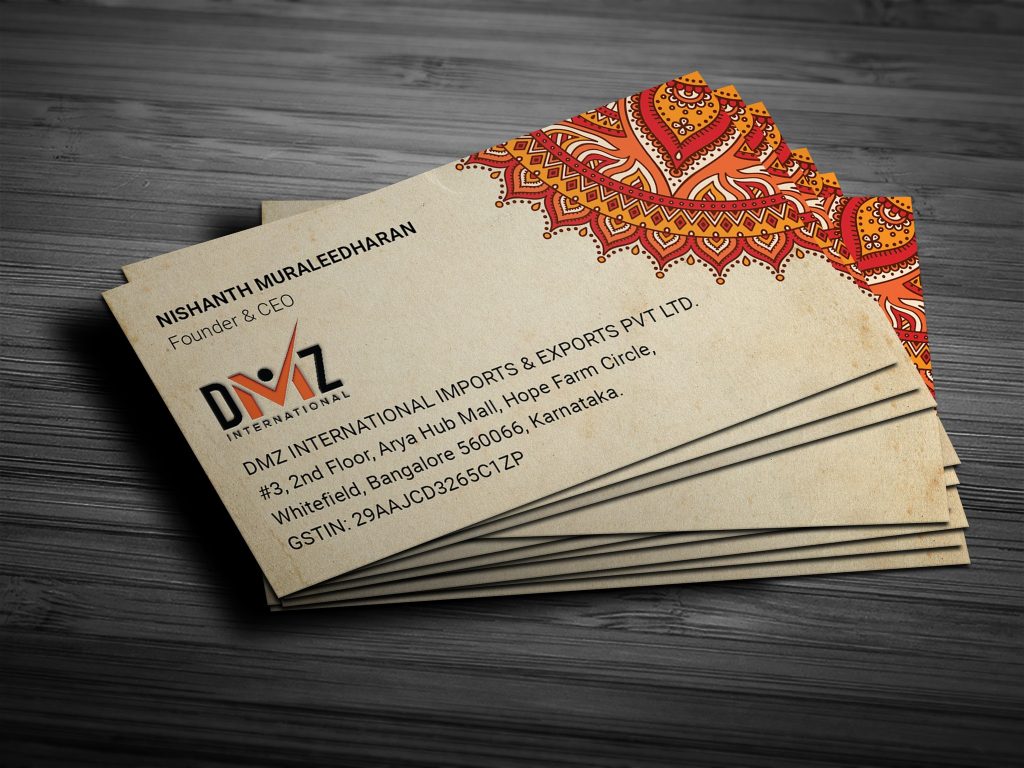
Nishanth Muraleedharan (Nishani) is a handloom evangelist with 25+ years of experience in the textile industry. The Foundation’s main motto is to revive the Indian Handloom Industry. The infinite potential of the Indian handloom offers a high degree of complexity. Interestingly Indian handloom is a culmination of 5000 years of a rich heritage that has never been adequately recorded or documented in any significant form. For past 3 years Nishanth is closely working with the artisans and weavers through the length and breadth of this country has assimilated the know-how and pedagogy and developed deep market insights which make him an unmatched professional in this field.
Comments

Hi, I’m Nishanth Muraleedharan (also known as Nishani)—an IT engineer turned internet entrepreneur with 25+ years in the textile industry. As the Founder & CEO of "DMZ International Imports & Exports" and President & Chairperson of the "Save Handloom Foundation", I’m committed to reviving India’s handloom heritage by empowering artisans through sustainable practices and advanced technologies like Blockchain, AI, AR & VR. I write what I love to read—thought-provoking, purposeful, and rooted in impact. nishani.in is not just a blog — it's a mark, a sign, a symbol, an impression of the naked truth. Like what you read? Buy me a chai and keep the ideas brewing. ☕💭 For advertising on any of our platforms, WhatsApp me on : +91-91-0950-0950 or email me @ support@dmzinternational.com