India’s Economic Shift: Who Really Wins in the Race to the Top?

India is currently undergoing a massive transformation, driven by the government’s push to privatize public sector enterprises (PSEs). This move, framed as a strategy to boost efficiency and reduce fiscal deficits, has seen many state-owned entities sold to private conglomerates. Leading this charge are the corporate giants Adani Group, Reliance Industries, and Tata Group. But as these companies grow more powerful, concerns are emerging about the monopolies they are creating and the long-term impact on India’s economic sovereignty. This blog explores the ongoing privatization trend, the strategies employed by these corporations, and the potential future consequences for India’s markets and citizens.
The Privatization Wave: Who’s Buying What?
In recent years, the Indian government has been steadily divesting from various public sector companies, both profitable and loss-making. The major beneficiaries of this privatization drive are the Adani Group, Reliance Industries, and Tata Group.
– Adani Group:
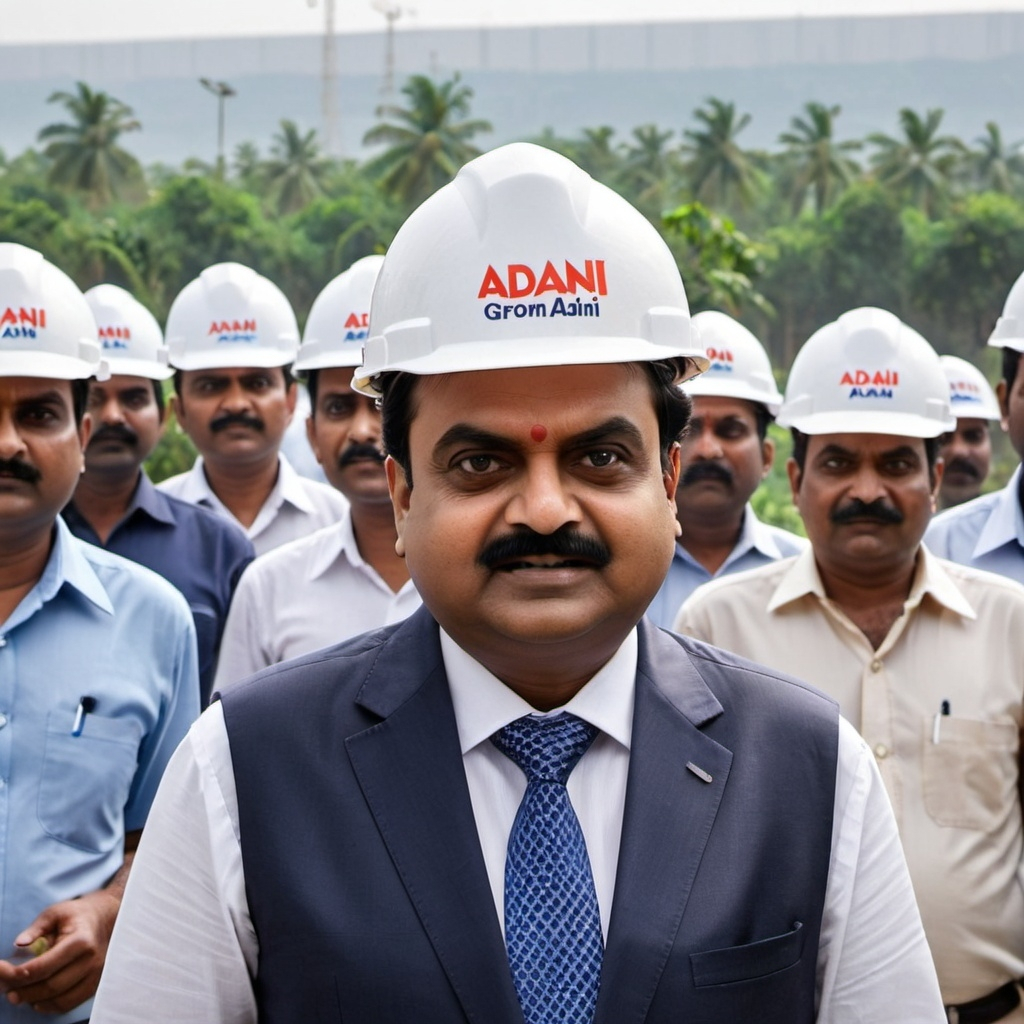
Known for its aggressive expansion, Adani has acquired significant stakes in infrastructure, including six airports such as Mumbai and Ahmedabad. The group’s control over several ports and logistics assets has solidified its dominance in India’s transport and logistics network.
– Reliance Industries:
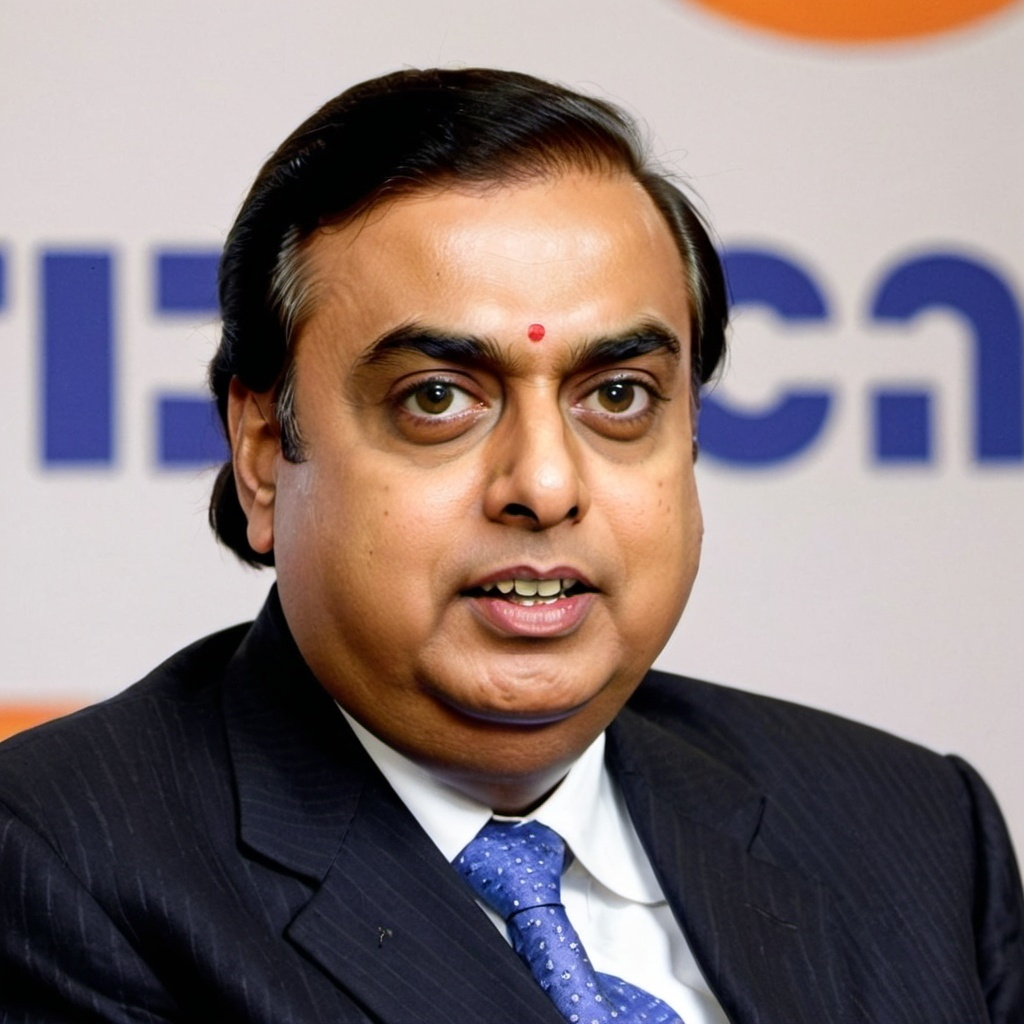
Under Mukesh Ambani’s leadership, Reliance has diversified into telecom, retail, and more. The acquisition of Bharat Petroleum Corporation Limited (BPCL) was a notable milestone. Reliance has also been eyeing stakes in other public sector companies, further expanding its market presence.
– Tata Group:
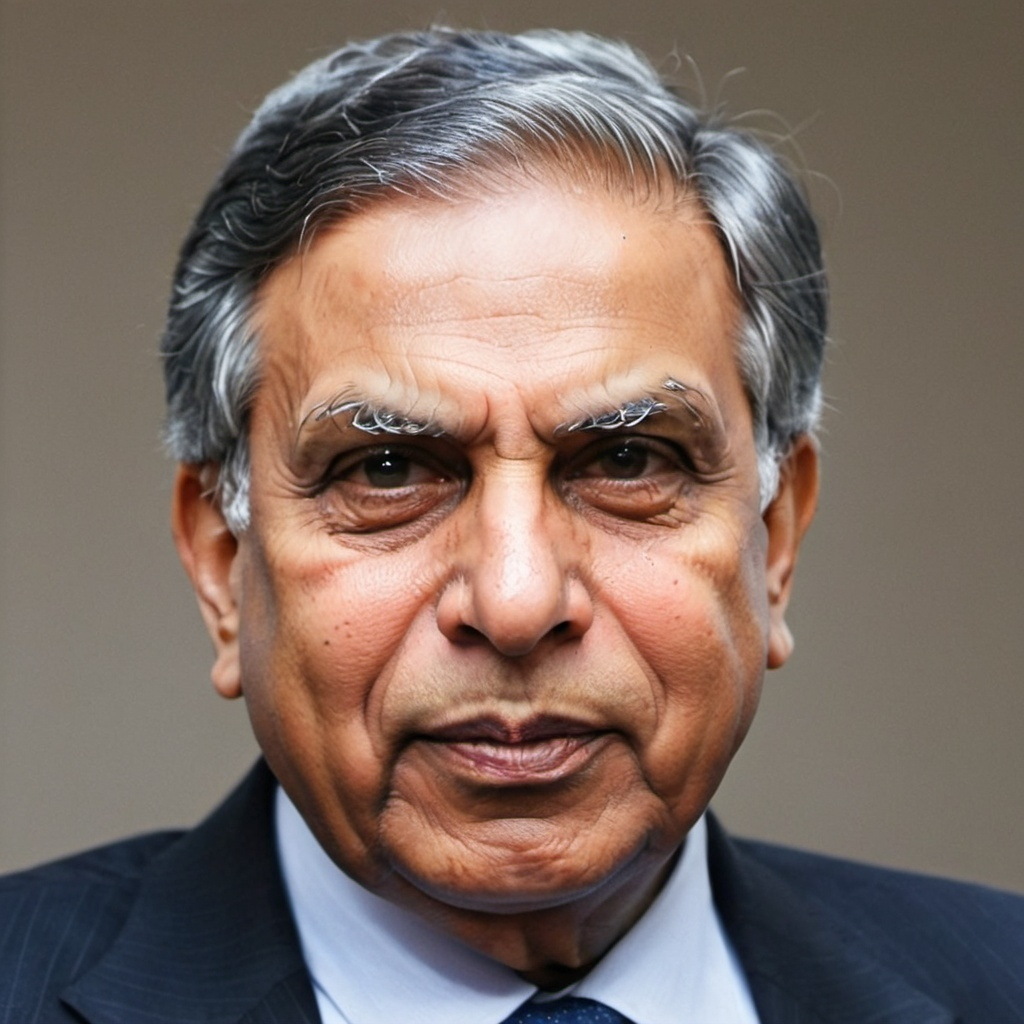
With its long-standing legacy, Tata has taken a slightly different approach. Instead of focusing only on profitable companies, Tata has acquired several loss-making entities, like the debt-ridden Air India, with the goal of turning them around.
Strategies Behind Corporate Growth: The Making of Monopolies
The strategies employed by these conglomerates reveal a clear pattern aimed at consolidating market power:
1. Initial Market Penetration: To gain a foothold, these companies often introduce products and services at highly competitive prices, sometimes even at a loss. A prime example is Reliance Jio’s entry into the telecom market, where free voice calls and extremely low-cost data disrupted the market and forced many competitors out.
2. Market Dominance: Once a significant market share is secured, prices are gradually increased, leveraging their dominant position. This has been observed in sectors like telecom and aviation, where reduced competition has led to higher costs for consumers.
3. Vertical Integration: By acquiring companies across the supply chain, these conglomerates control everything from production to distribution. Adani’s ownership of ports, airports, and logistics services allows the group to dictate terms, giving it significant power over smaller players and customers.
The Future of India’s Markets: Is Monopoly Inevitable?
The concentration of power within a few large corporations raises serious concerns about the future of India’s markets. Monopolistic practices could stifle competition, innovation, and consumer choice. As essential services like airports, energy, and telecommunications, which were once under government control, fall into the hands of a few, price hikes and reduced accessibility could disproportionately affect the middle and lower-income groups.
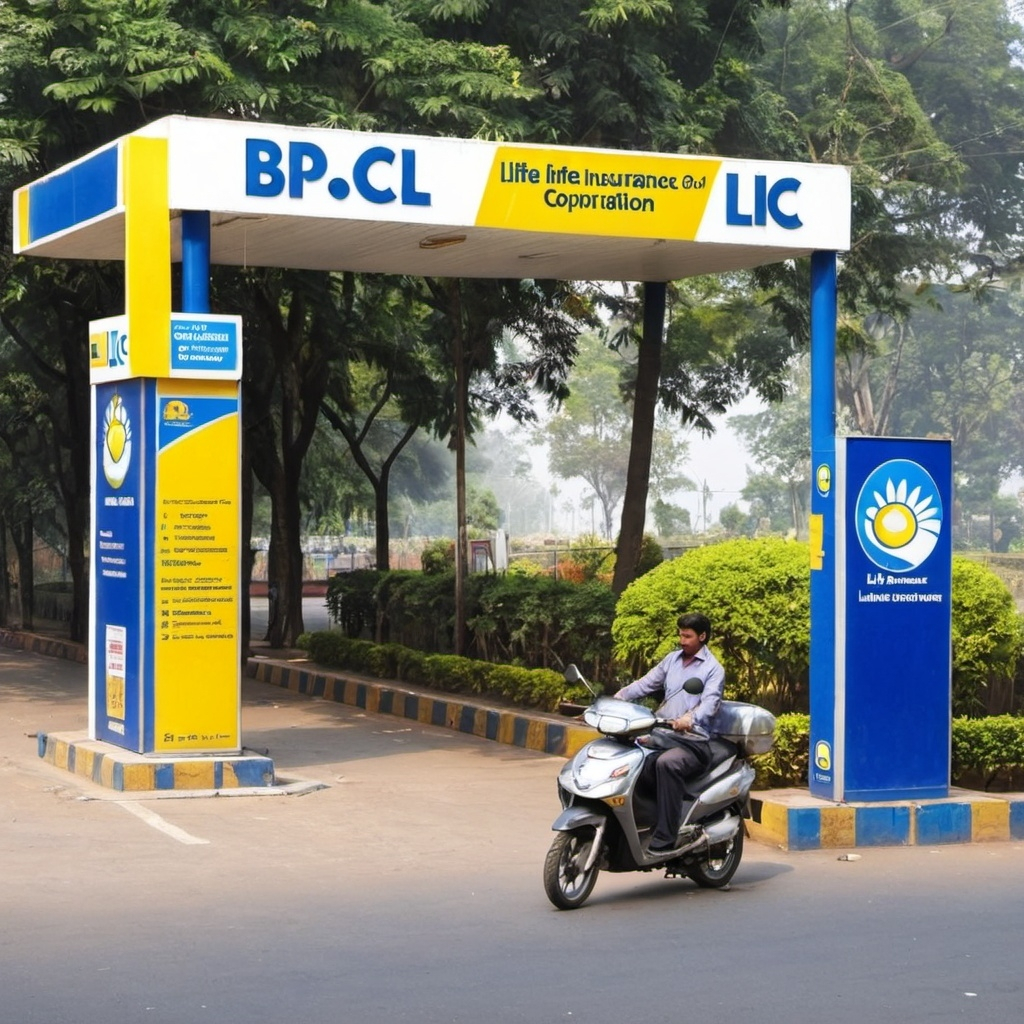
Additionally, the government’s decision to privatize even profitable public sector enterprises, such as BPCL and LIC (Life Insurance Corporation of India), prompts questions about the long-term impact on national wealth and economic independence. With a few private players controlling key industries, there is a risk that government policies could be swayed to favor these corporations, at the expense of public welfare.
The Road Ahead: A Need for Balanced Growth
If the current trend continues, India’s economic future could be dominated by a few powerful conglomerates, leading to a market that is no longer competitive but monopolistic. This could have far-reaching consequences for innovation, consumer rights, and economic equity. The middle and lower classes, who are already struggling with inflation and limited income growth, could find themselves further marginalized.
It is crucial for the government to balance privatization with public interest. While selling stakes in public sector enterprises might be necessary for fiscal reasons, it’s important to ensure that essential services remain accessible and that competition is preserved in the market. Strict regulations must be in place to prevent the abuse of market power and to protect consumers and smaller businesses.
Conclusion: Balancing Economic Ambition with Equity

India stands at a critical juncture. The decisions made today will shape the economic landscape of tomorrow. The ongoing privatization wave, driven by corporate giants like Adani, Reliance, and Tata, could either lead to a more efficient economy or pave the way for monopolistic dominance. It’s imperative for policymakers, industry leaders, and citizens to critically examine the implications of these developments and advocate for a future where economic power is not concentrated in the hands of a few but is distributed equitably for the benefit of all.
India’s race to become the world’s third-largest economy is a commendable ambition. However, the true measure of success lies not just in GDP rankings, but in the well-being and prosperity of all its citizens. As India navigates this complex path, the challenge will be to strike a balance between ambition and equity, ensuring that the country’s growth is inclusive and benefits everyone, not just the elite few.
Comments

Hi, I’m Nishanth Muraleedharan (also known as Nishani)—an IT engineer turned internet entrepreneur with 25+ years in the textile industry. As the Founder & CEO of "DMZ International Imports & Exports" and President & Chairperson of the "Save Handloom Foundation", I’m committed to reviving India’s handloom heritage by empowering artisans through sustainable practices and advanced technologies like Blockchain, AI, AR & VR. I write what I love to read—thought-provoking, purposeful, and rooted in impact. nishani.in is not just a blog — it's a mark, a sign, a symbol, an impression of the naked truth. Like what you read? Buy me a chai and keep the ideas brewing. ☕💭 For advertising on any of our platforms, WhatsApp me on : +91-91-0950-0950 or email me @ support@dmzinternational.com